Cucuteni Eneolithic Art Museum
Cucuteni Eneolithic Art Museum
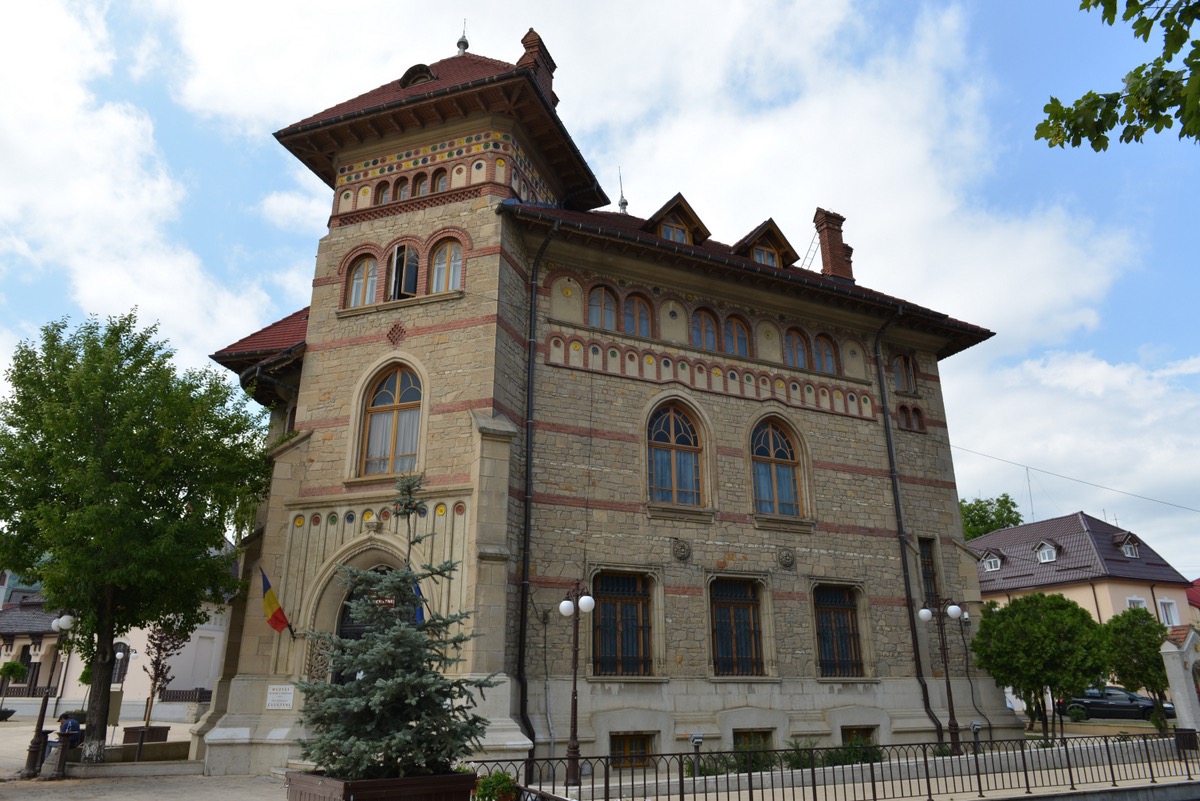
In Piatra Neamț, the Cucuteni Eneolithic Art Museum houses a collection dedicated to the prehistoric Cucuteni-Trypillia culture, housed in a 1930s building.
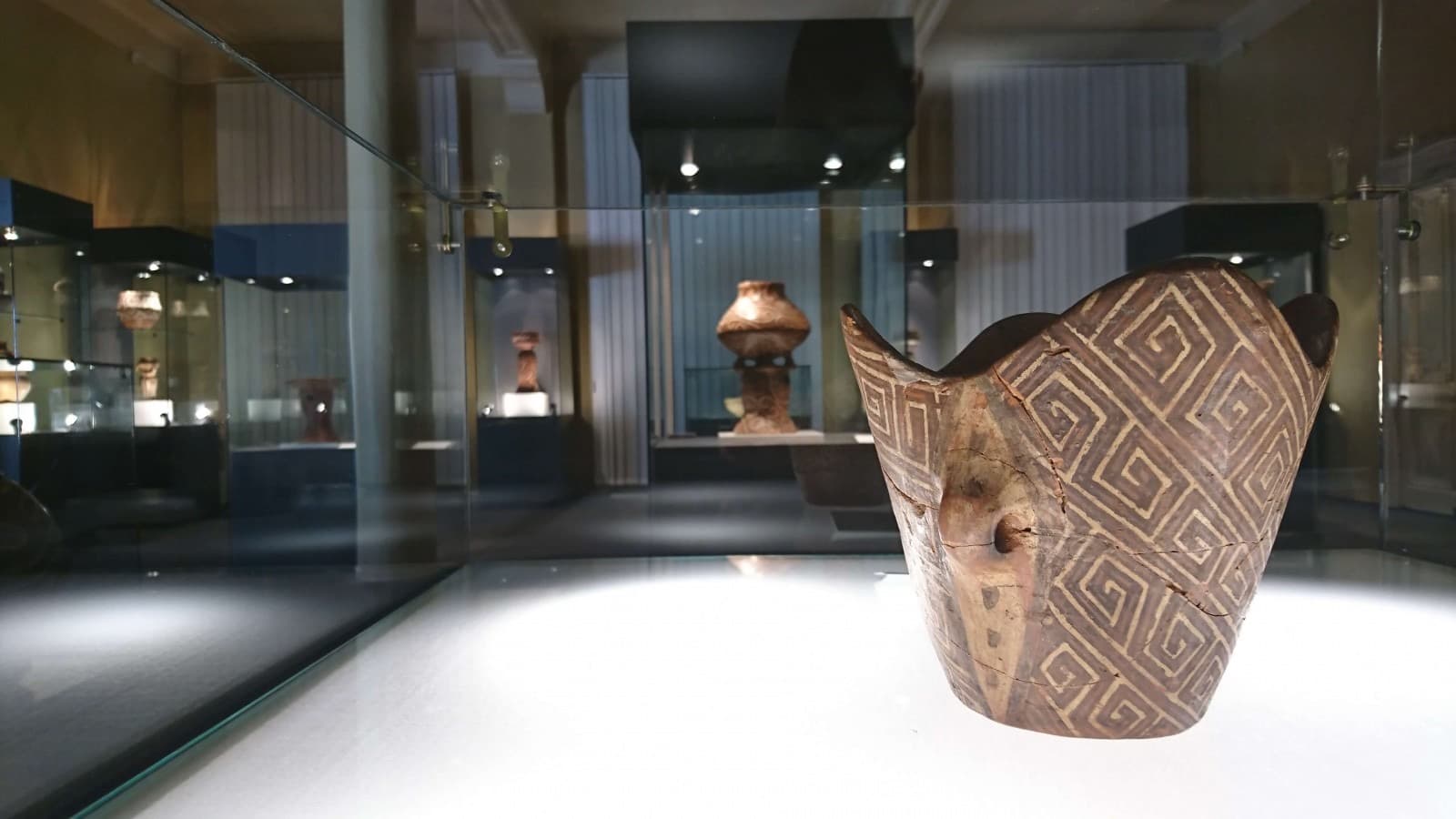
The Cucuteni Eneolithic Art Museum occupies a 1930s building in Piatra Neamț, in northeastern Romania. It brings together a collection of objects attributed to the Cucuteni-Trypillia culture, a prehistoric civilization that developed between present-day Romania, Moldova and Ukraine during the 5th and 4th millennia before the common era. Painted ceramics, anthropomorphic figurines and tools offer a glimpse into a sophisticated agricultural society, whose name was preserved in history thanks to the eponymous site discovered in the early 20th century.
Why visit the Cucuteni Eneolithic Art Museum
The Cucuteni-Trypillia culture is one of Europe's oldest agricultural civilizations. It predated the first Mesopotamian cities by more than a thousand years and left behind sometimes vast villages, along with a ceramic production of remarkable technical and stylistic mastery. The Piatra Neamț museum is one of the few institutions dedicated exclusively to this heritage. For those interested in European prehistory, art history or the origins of sedentary societies, a visit offers an enlightening complement to the country's more general archaeology museums.
The appeal of the place also lies in its scale: the collection is dense enough to provide a coherent vision of the culture without being overwhelming. Plan for approximately 1 to 1.5 hours on site.
History of the museum and the Cucuteni-Trypillia culture
The building housing the museum dates from 1930 and is integrated into the architectural fabric of Piatra Neamț, a city in Neamț County, in Romanian Moldavia. The region is rich in archaeological sites linked to Cucuteni-Trypillia, which justified the establishment of a specialized institution.
The culture takes its name from the village of Cucuteni, near Iași, where excavations began in 1884 and revealed a late Neolithic settlement. Research showed it extended over a vast territory covering present-day eastern Romania, the Republic of Moldova and Ukraine, where it is known as Trypillia. Communities lived in organized villages, sometimes grouping several thousand inhabitants, and practiced agriculture, livestock farming and long-distance trade. The term "eneolithic" (or chalcolithic) designates the transition period when the first copper objects appeared alongside polished stone tools.
What to see in the collections
The exhibition is organized around several coherent themes:
- Painted ceramics: pots, jars and vases decorated with spiraled, geometric and bicolor or tricolor motifs. These decorations, executed before firing, rank among the most recognizable visual signatures of European prehistory.
- Anthropomorphic figurines: female terracotta figurines whose function remains debated (ritual, votive, domestic). They testify to elaborate iconography.
- Tools and everyday objects: polished axes, flint blades, early copper objects, looms and spindle whorls.
- Miniature dwelling models: clay representations of houses, precious for understanding the wood and wattle-and-daub architecture of the villages.
Explanatory panels place the objects in their chronological and geographical context. Part of the signage is translated into English.
Practical information
- Location: center of Piatra Neamț, Neamț County.
- Duration of visit: 1 to 1.5 hours.
- Price: moderate, with standard reductions for students and seniors. Inquire on-site for combination tickets with other museums in the city.
- Hours: open year-round except public holidays, usually closed on Mondays. Check before your visit.
- Languages: Romanian and English on main signage.
How to get there
Piatra Neamț is accessible by train from Bucharest (frequent connections via Bacău) and from Iași. The city also has a bus station connected to major cities in Romanian Moldavia. By car, allow approximately 5 to 6 hours from Bucharest via national roads. Once there, the museum is within walking distance of the center. Travelers on tours in the northeast of the country can include it between a visit to the Bucovine monasteries and a stop in Iași.
What to see nearby
The Neamț region and Romanian Moldavia offer numerous cultural and natural extensions. Nearby, Neamț Fortress, the monasteries of Neamț and Agapia, and the landscapes of the Eastern Carpathians deserve a visit. To broaden your itinerary in Romania, you might also consider the Creasta Cocoșului geological reserve in the Maramureș, or ethnographic sites such as the Museum of the Romanian Peasant in Dragomirești and the ASTRA Ethnographic Museum in Sibiu. Lovers of traditional religious architecture will appreciate the wooden churches of Ieud, while Enisala Fortress in Dobroudja rounds out a tour of the country's historical sites nicely.
Preparing your trip
The Cucuteni Eneolithic Art Museum fits naturally into an itinerary in Romanian Moldavia and the northeast of the country. To build a custom stay combining archaeology, painted monasteries and Eastern Carpathian landscapes, consult our Romania travel suggestions.
Interested in this visit?
We can include it in your personalised itinerary.