9 articles to prepare your trip
In Tulcea, the Danube Delta Museum introduces the delta's ecosystem with aquariums and audiovisual presentations, an essential stop before embarking on a boat excursion.
Founded in 1969 by priest Zosim Oancea, the Sibiel museum preserves a unique collection of glass icons painted by villagers from Transylvania.
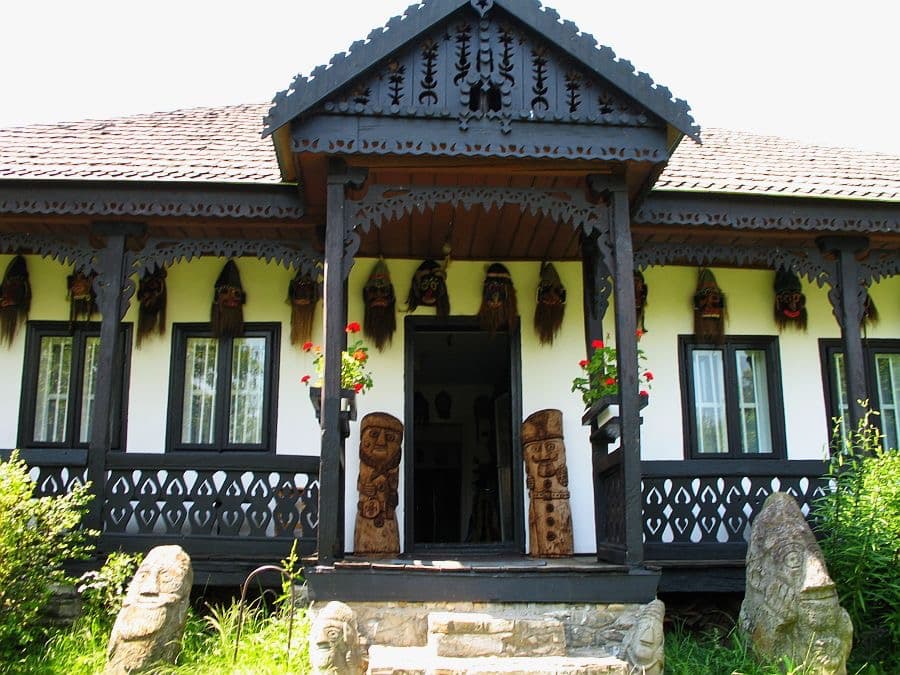
In the heart of Neamț County, the Popa Museum in Tarpesti brings together ethnographic collections, ritual masks and sculptures by the Popa family across 12 rooms and a garden.
Open-air museum in Curtișoara, Gorj County: peasant houses, fortified culă, and rural architecture of Oltenia, listed as a historical monument.
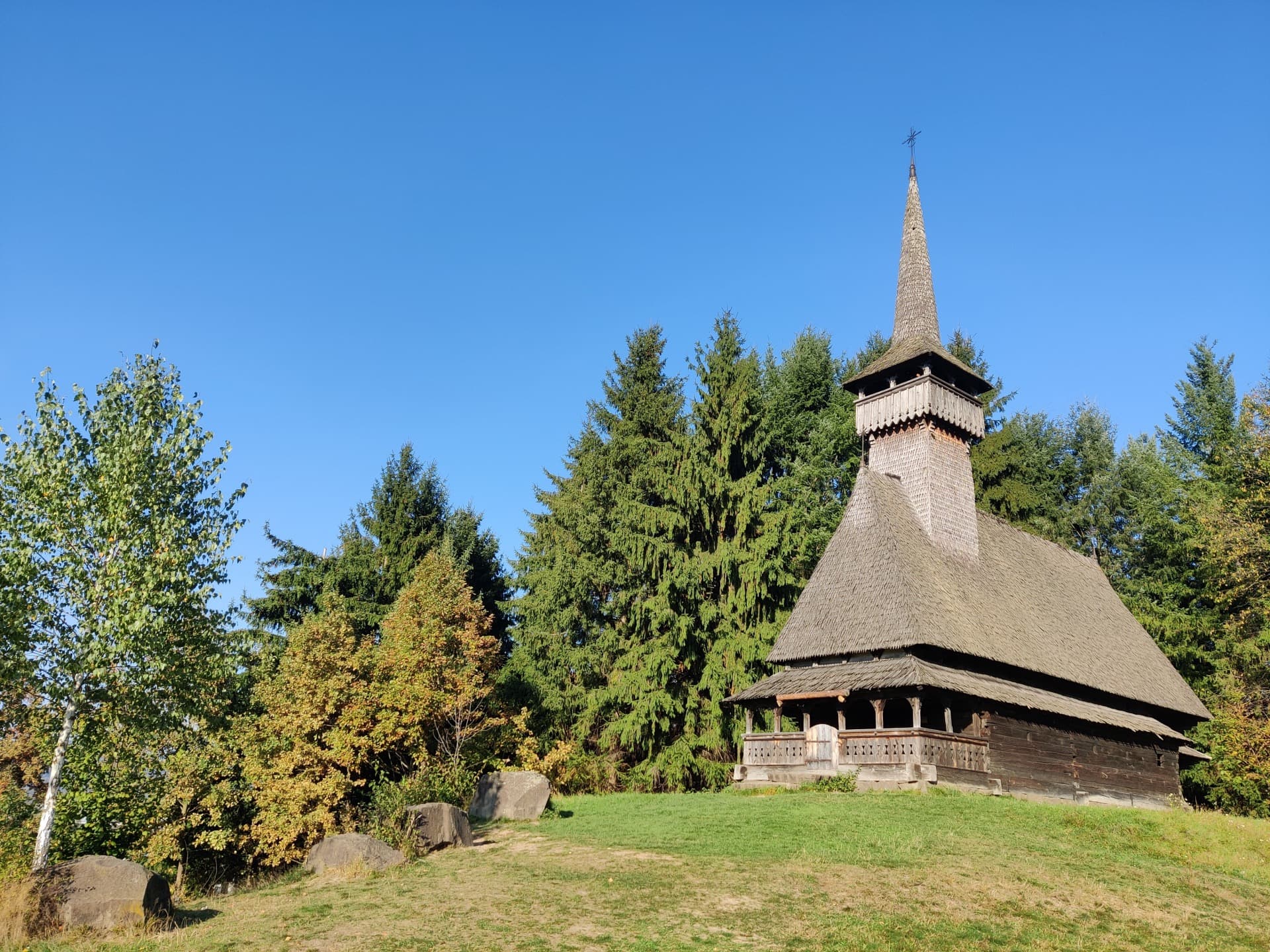
On Dobăieș hill in Sighetul Marmației, this open-air museum brings together houses, churches and wooden buildings representative of Maramureş heritage.
Housed in a former political prison from the 1950s, the Sighet Memorial traces communist repression in Roumanie, cell by cell.
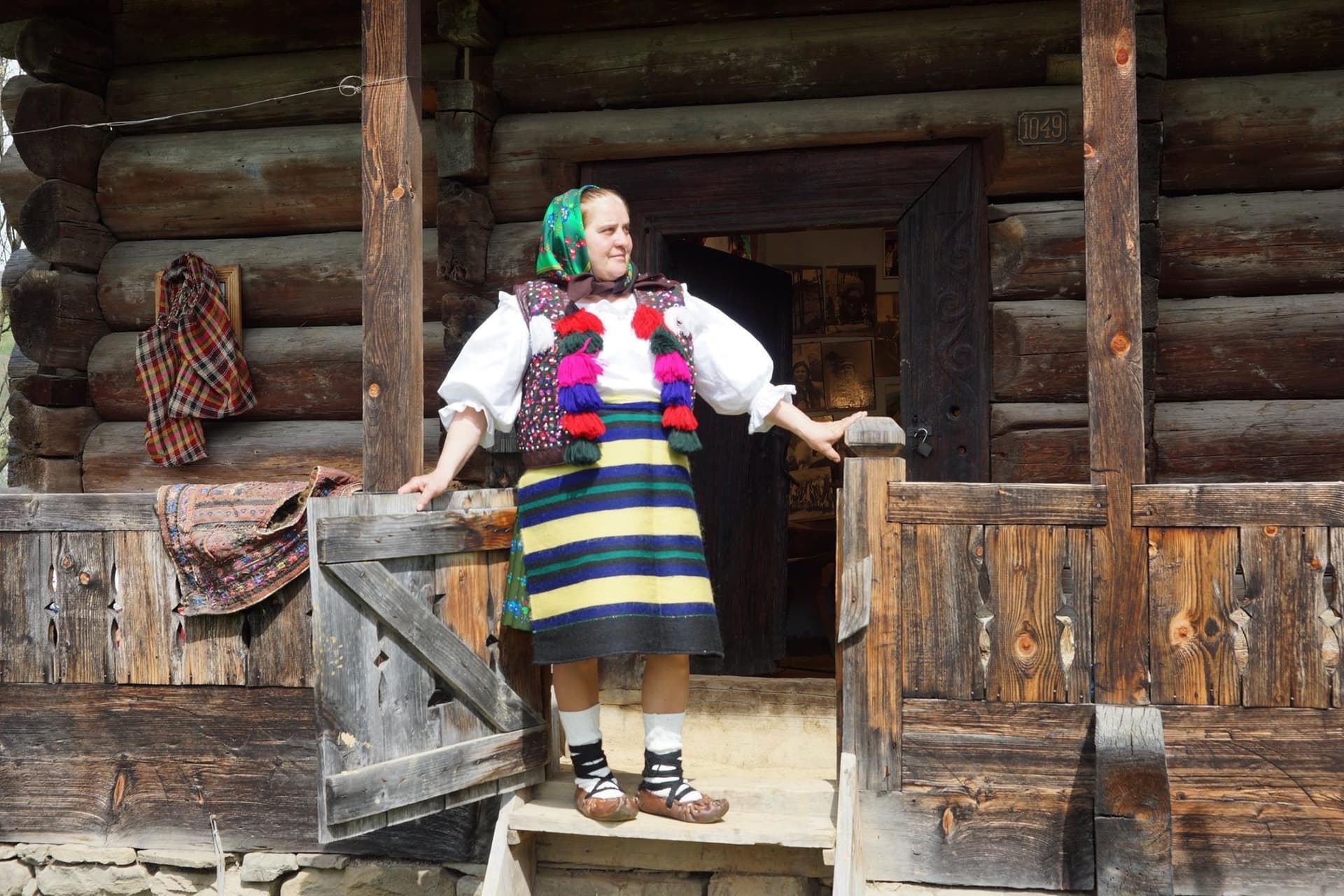
Housed in a former peasant homestead in Maramureș, the Museum of the Romanian Peasant Woman in Dragomirești pays tribute to rural women and their textile craftsmanship.
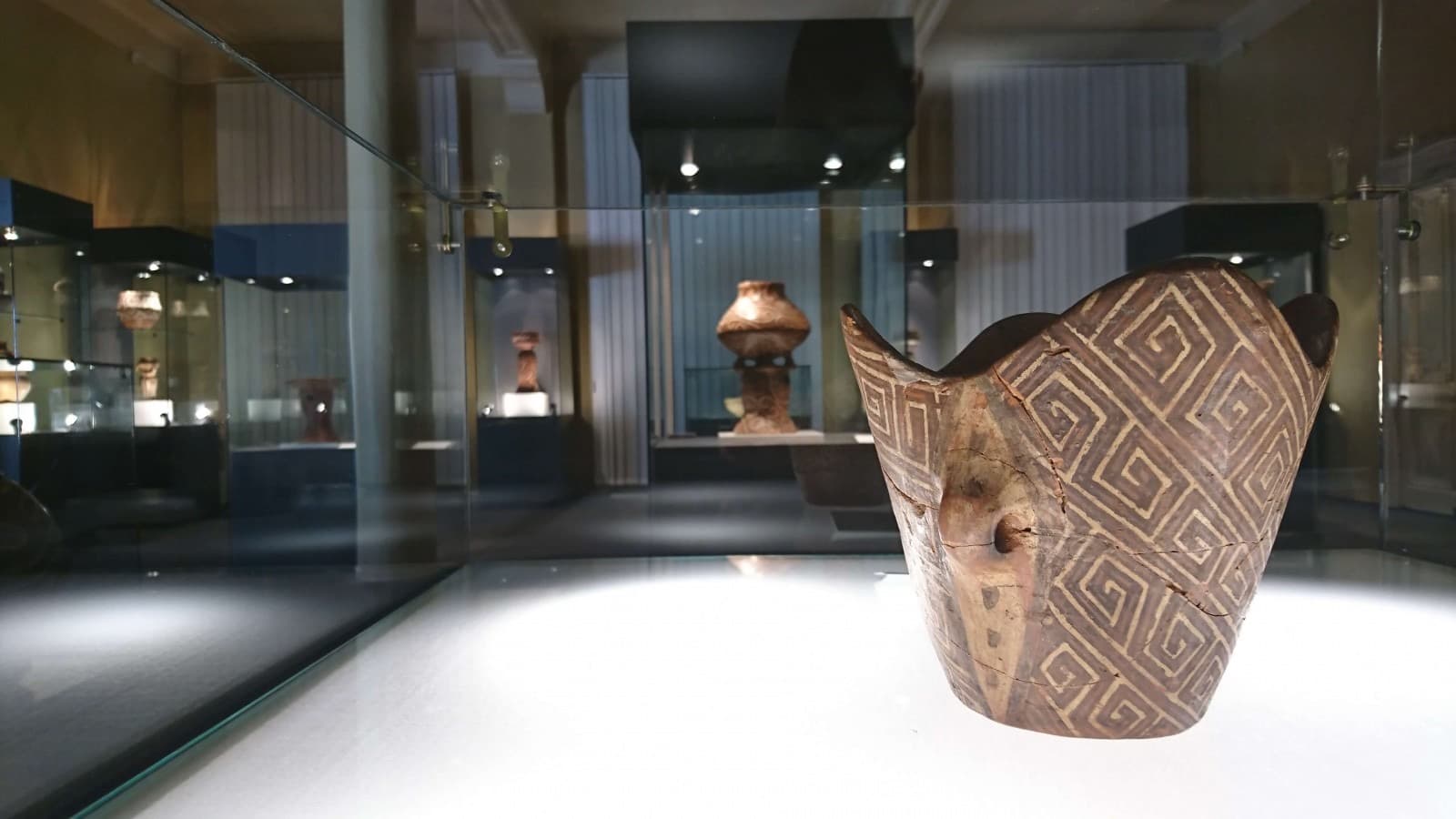
In Piatra Neamț, the Cucuteni Eneolithic Art Museum houses a collection dedicated to the prehistoric Cucuteni-Trypillia culture, housed in a 1930s building.
At Dumbrava Sibiului, the ASTRA Ethnographic Museum showcases nearly 100 hectares of Romanian rural techniques and vernacular architecture.
9 of 9 results
We use cookies to improve your experience and measure our site's audience. You can choose what you accept. Learn more.