78 articles to prepare your trip
Dacia's first Roman colony, Ulpia Traiana Sarmizegetusa preserves a forum, amphitheater and archaeological museum within the Hațeg depression, deep in the Southern Carpathians.
Voronet
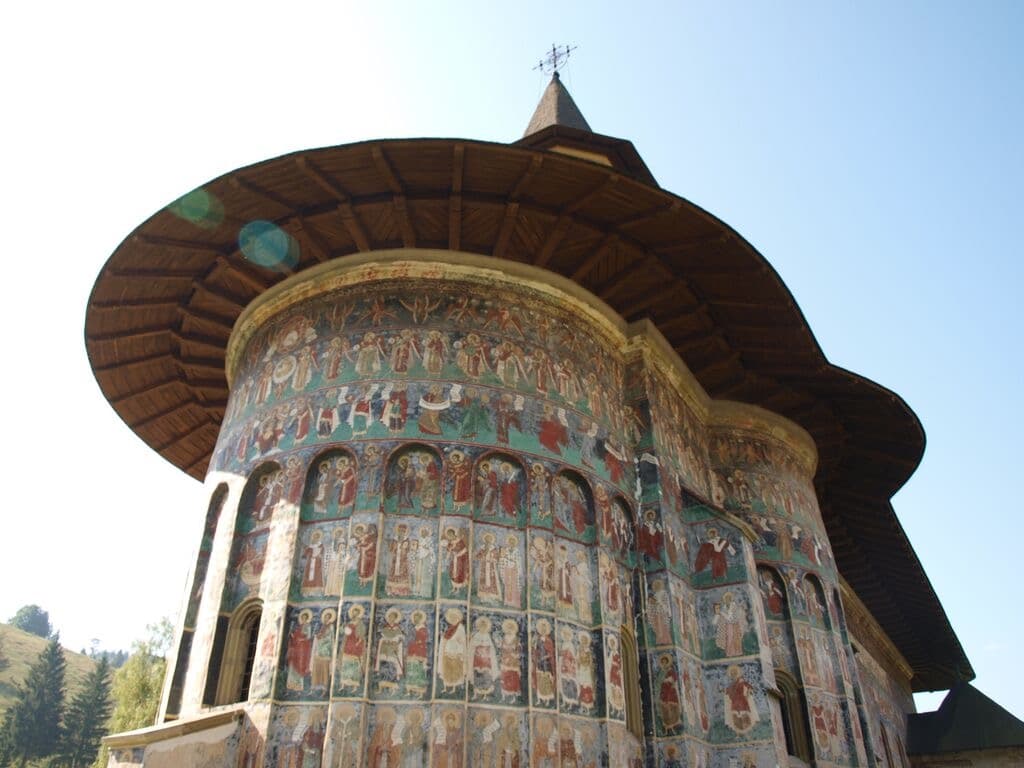
Built in 1532 by voivode Petru Rareș and adorned with frescoes completed in 1537, Moldovita Monastery stands as one of the masterpieces of Moldavian art and a UNESCO World Heritage site.
In Tulcea, the Danube Delta Museum introduces the delta's ecosystem with aquariums and audiovisual presentations, an essential stop before embarking on a boat excursion.
Viscri
An isolated Saxon village in Transylvania and UNESCO World Heritage site, Viscri is renowned for its fortified Romanesque church and the residence owned by King Charles III.
A 2.9 km limestone canyon carved into the Apuseni Mountains, 30 km from Cluj-Napoca, Turda Gorges combine accessible hiking, protected biodiversity and 300 m cliff walls.
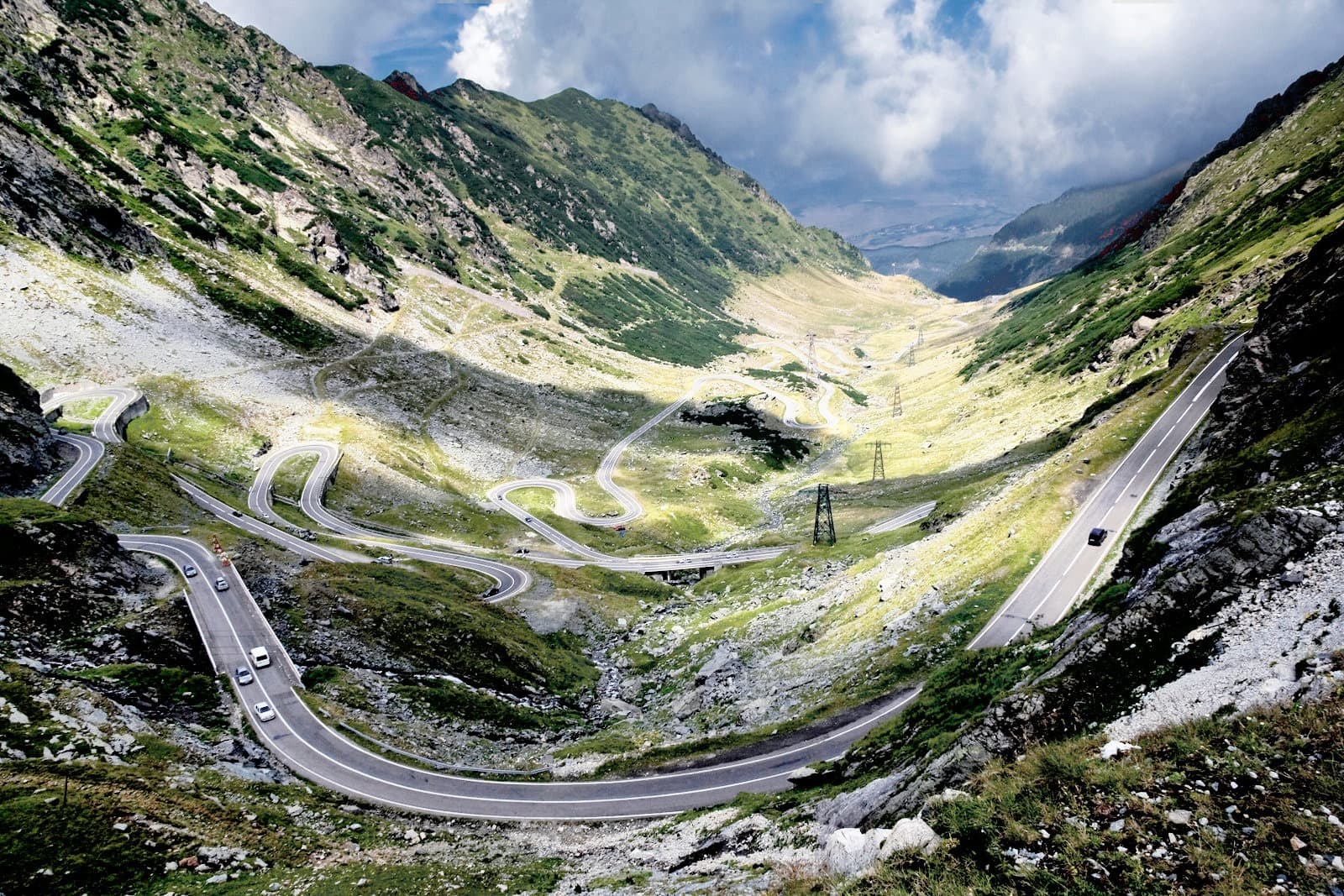
The Transalpina (DN67C) crosses the Southern Carpathians up to 2,145 m. History, stages, seasonality and practical access.
The last of Bukovina's painted monasteries, Sucevita is UNESCO-listed. Its 16th-century exterior frescoes rank among Moldavia's best-preserved.
Sarmizegetusa Regia
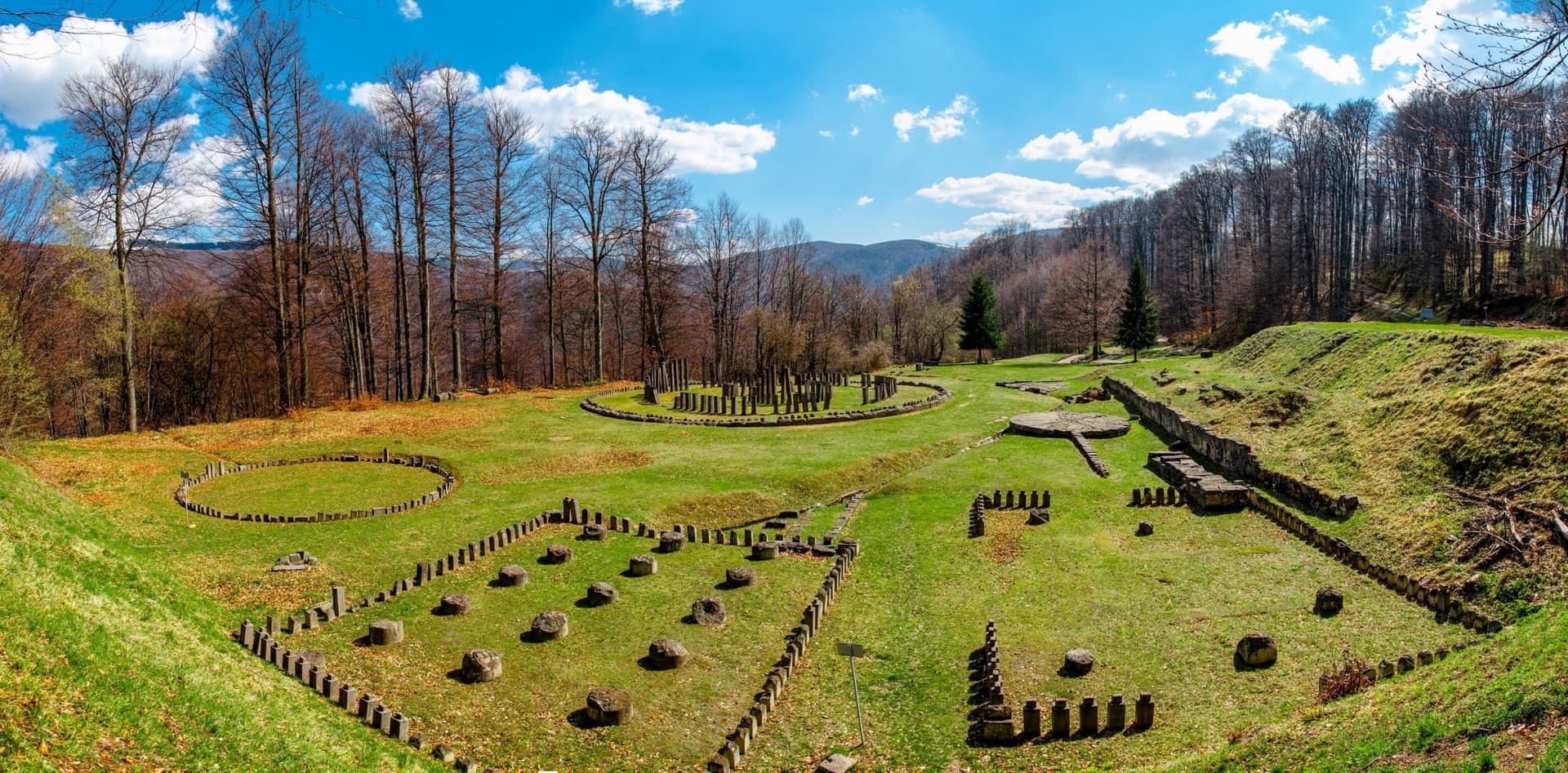
Capital of the Dacian kingdom destroyed by Trajan in 106 AD, Sarmizegetusa Regia preserves its sanctuaries and fortifications deep in the Romanian Carpathians, inscribed as a UNESCO World Heritage Site.
In Praid, Transylvania, an active salt mine welcomes visitors into monumental chambers 120 meters below ground, blending geology, history, and halotherapy.
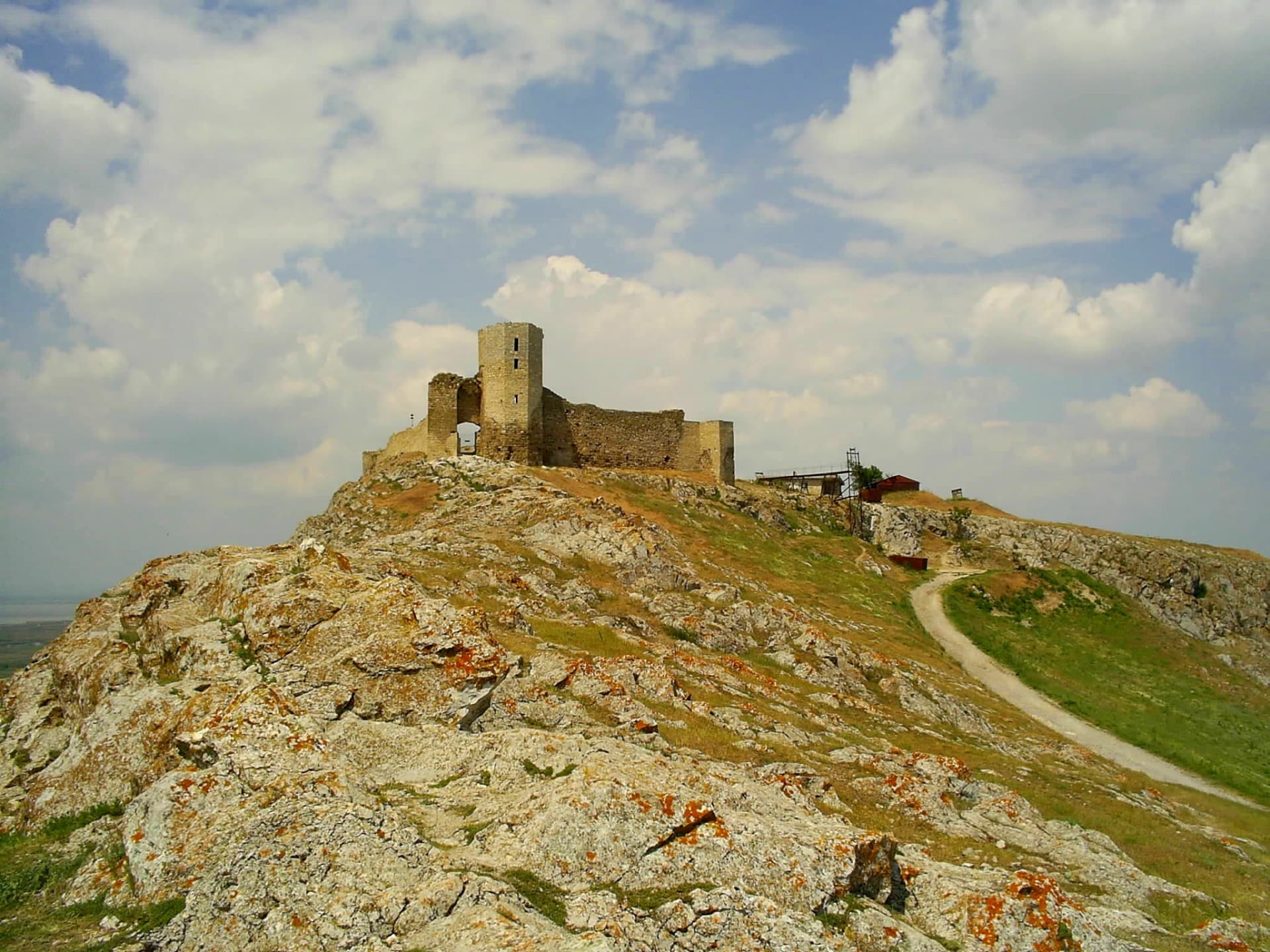
A medieval remnant overlooking the Dobruja lagoons, Enisala Fortress tells the story of Byzantine, Genoese and Ottoman heritage along Romania's Black Sea coast.
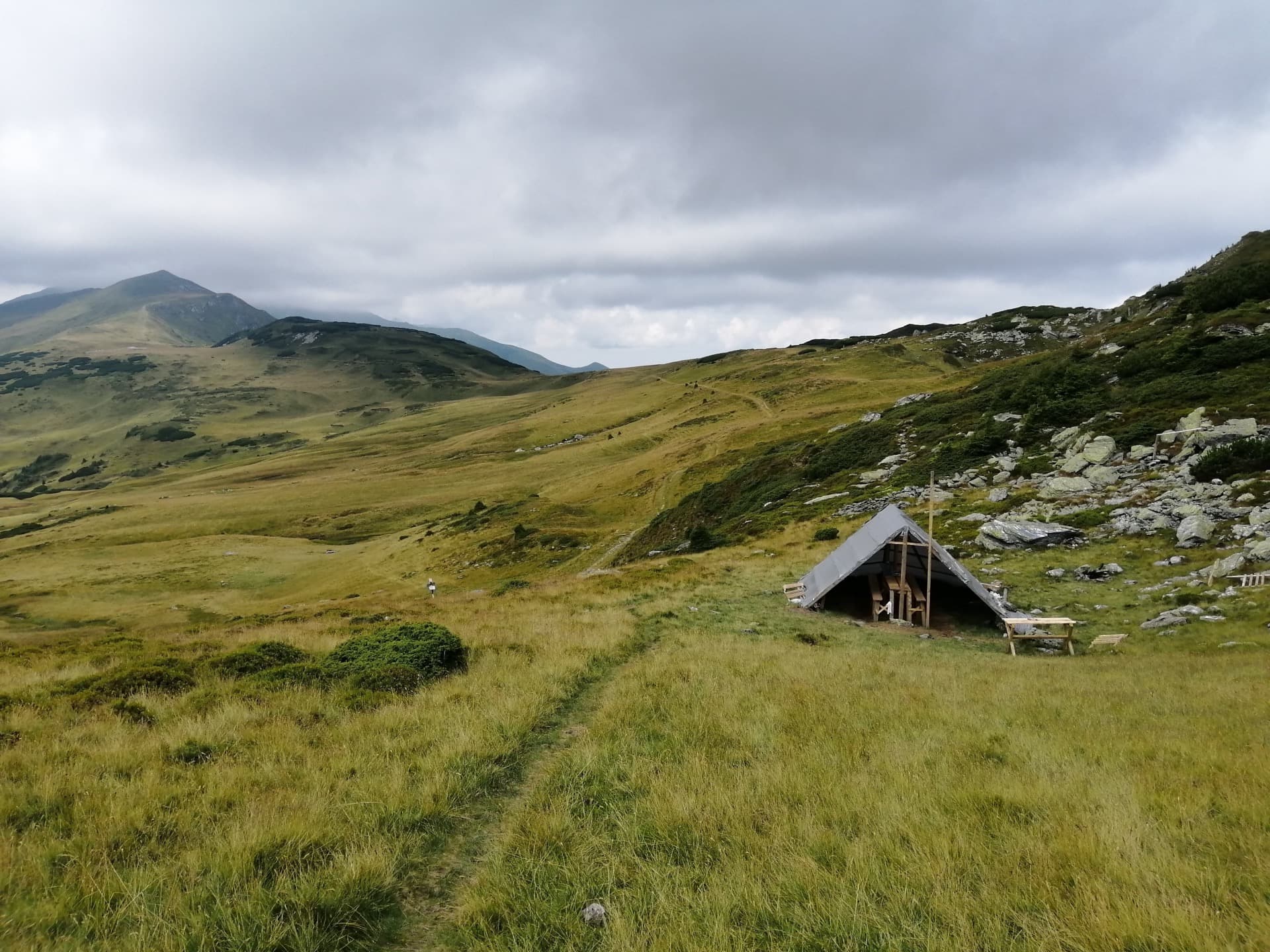
The Rodna Mountains in northern Romania are home to 23 glacial lakes, ridges rising above 2,200 metres and Carpathian wildlife within a national park designated as a UNESCO biosphere reserve.
Romania's oldest national park, Retezat brings together glacial lakes, 2,500-meter summits and Carpathian wildlife within a massif in the Southern Carpathians.
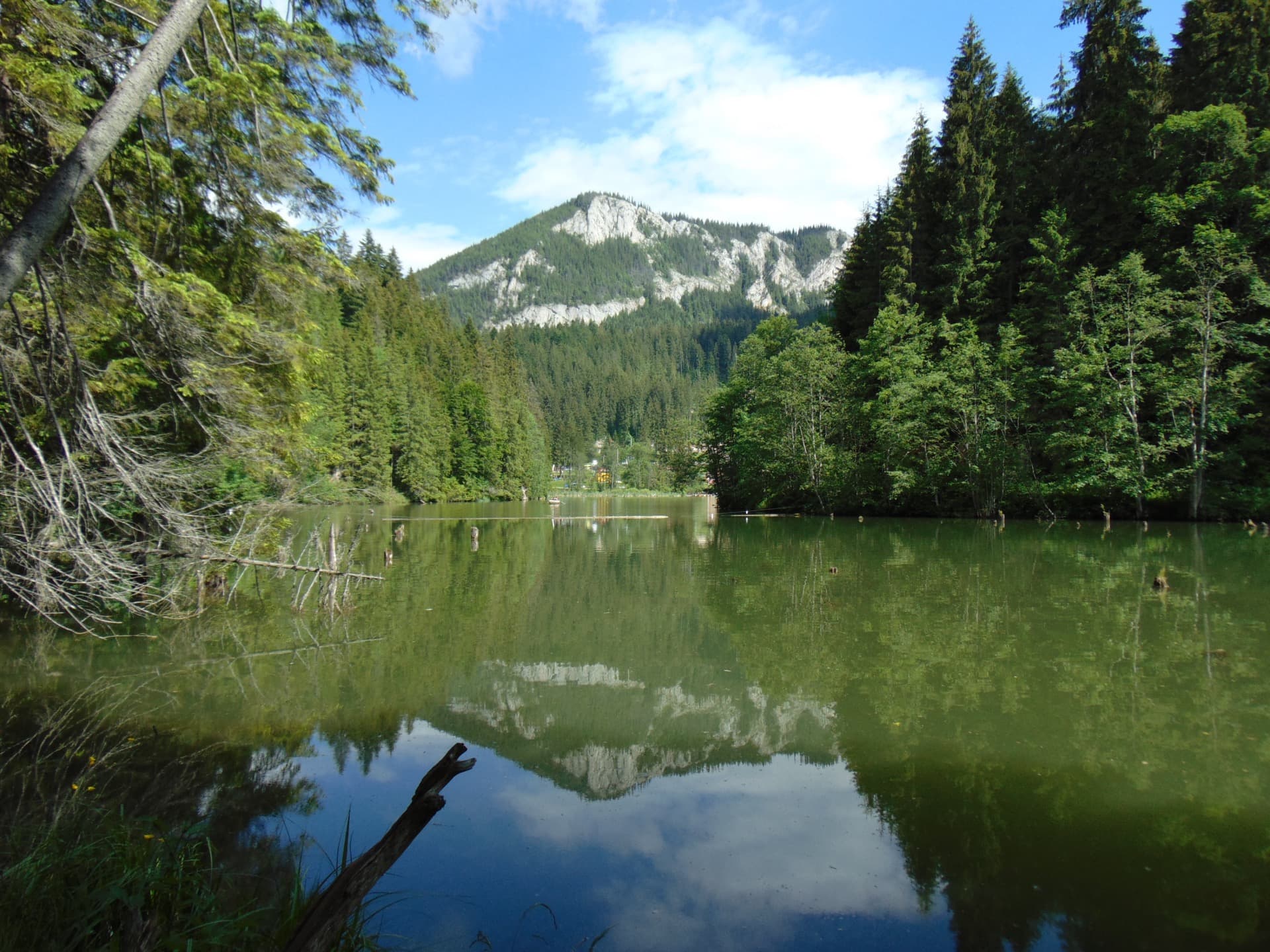
Born from a landslide in 1837 in the Eastern Carpathians, Lake Red stands out for its waters tinted with iron oxides and its emerging tree trunks.
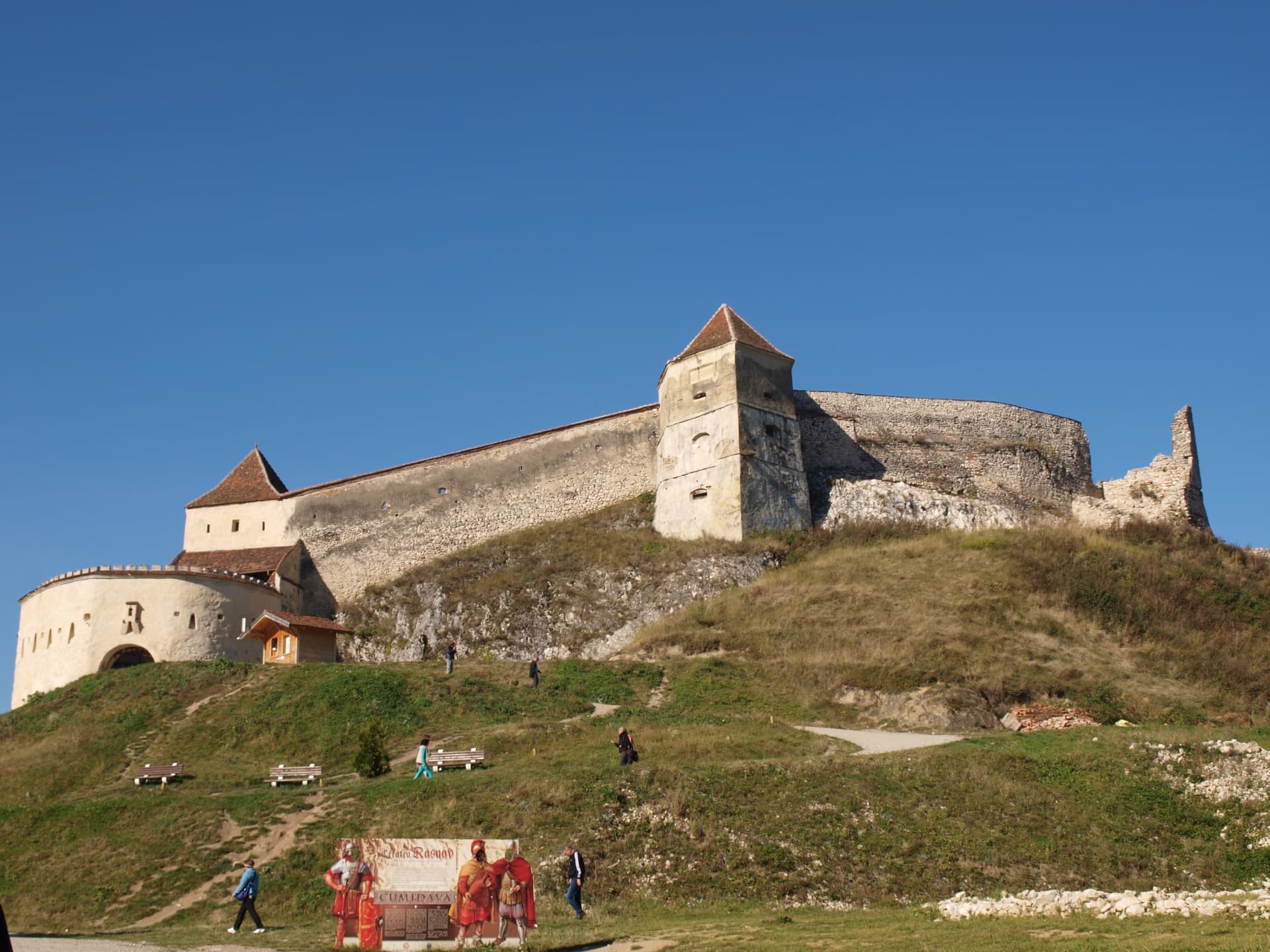
Râșnov
Perched on a rocky outcrop above the small town of Rasnov, this Transylvanian peasant citadel once served as a collective refuge for villagers during invasions.
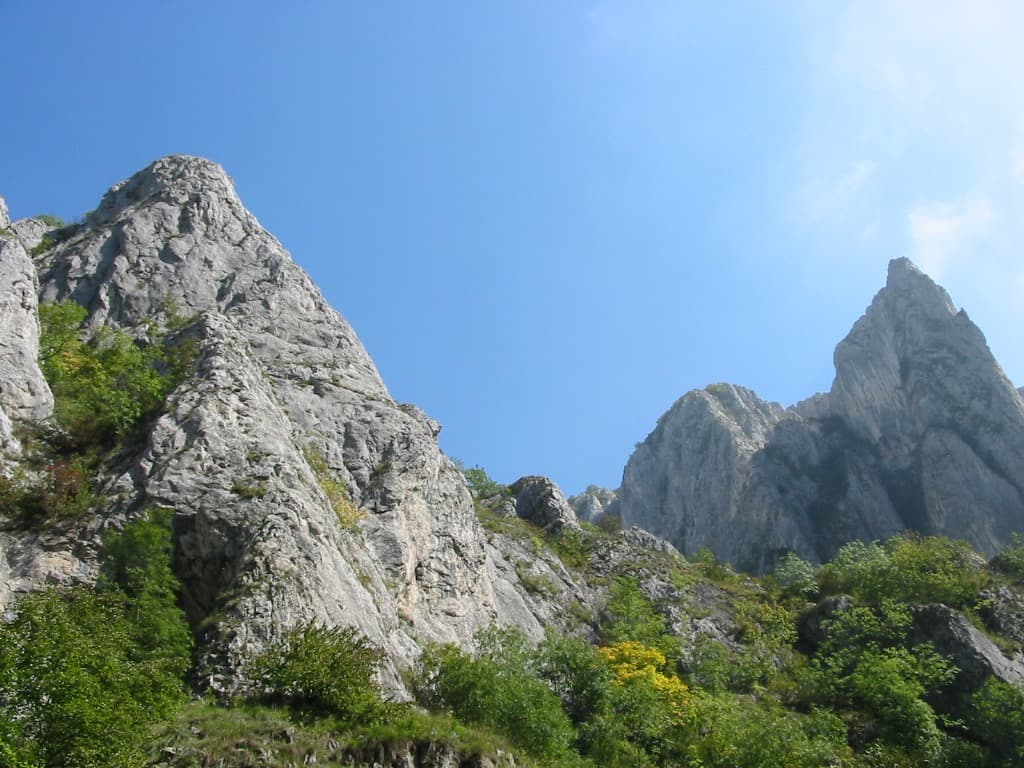
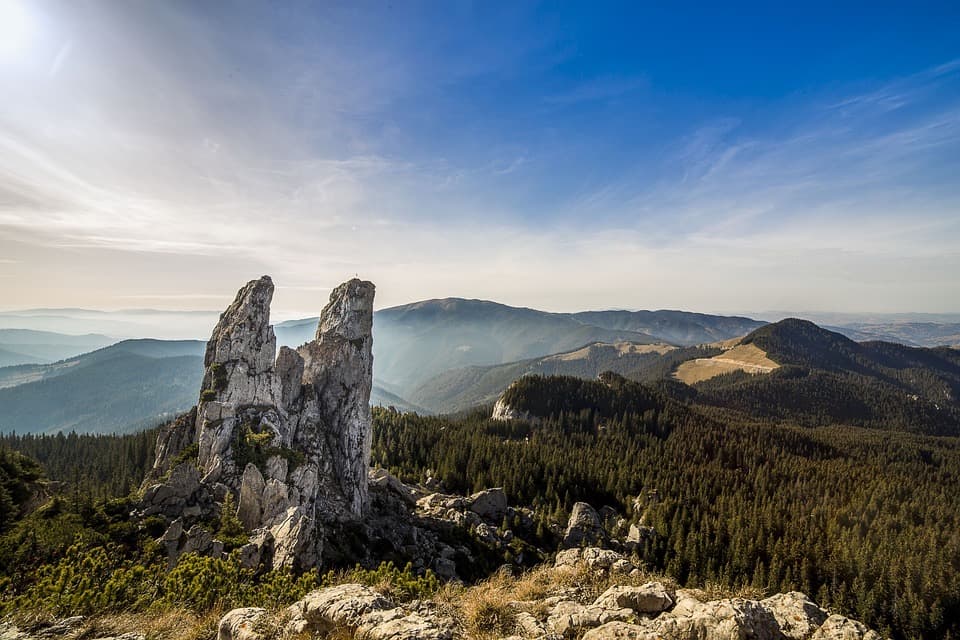
A massif of the Eastern Carpathians, Rarău is renowned for Pietrele Doamnei, Mesozoic limestone towers bearing fossils of corals and ammonites.
Founded in 1969 by priest Zosim Oancea, the Sibiel museum preserves a unique collection of glass icons painted by villagers from Transylvania.
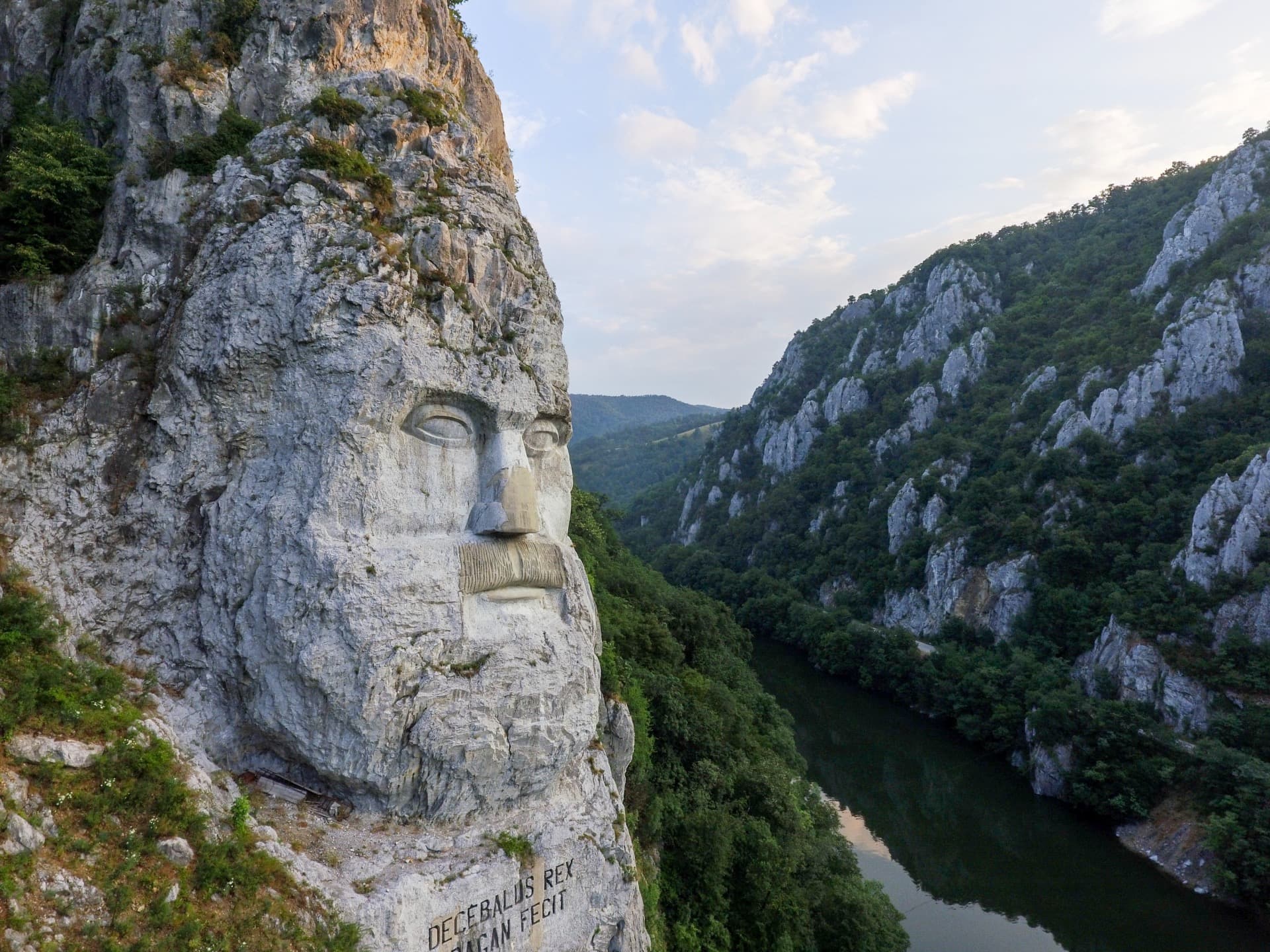
In southwestern Romania, Iron Gates Natural Park protects the Danube gorges, its limestone cliffs, and a unique Dacian, Roman, and religious heritage.
18 of 78 results
We use cookies to improve your experience and measure our site's audience. You can choose what you accept. Learn more.