The Museum of the Romanian Peasant Woman at Dragomirești
The Museum of the Romanian Peasant Woman at Dragomirești
Housed in a former peasant homestead in Maramureș, the Museum of the Romanian Peasant Woman in Dragomirești pays tribute to rural women and their textile craftsmanship.
A museum-homestead dedicated to the Maramureș peasant woman
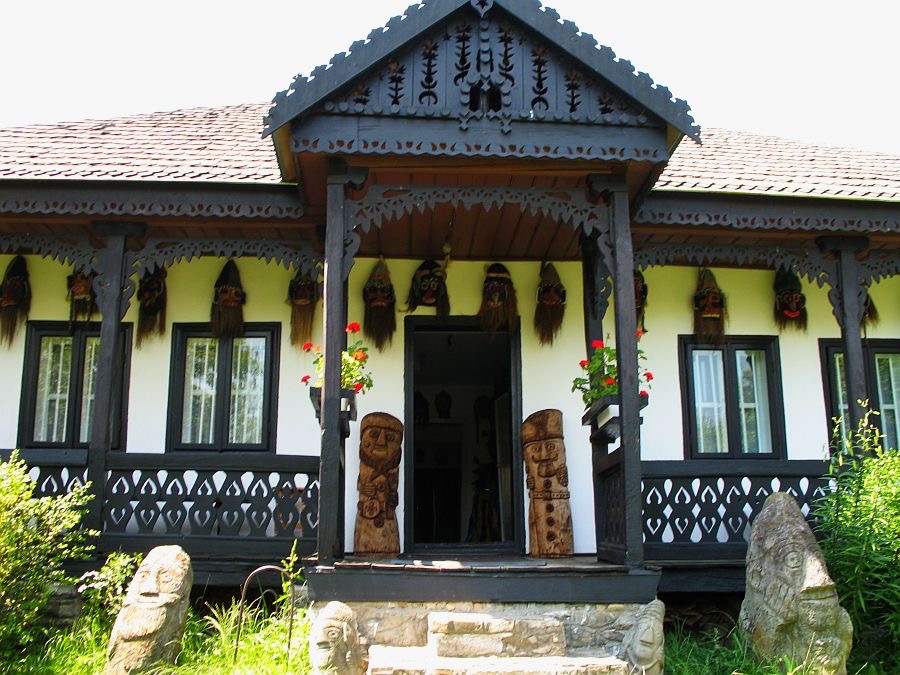
Housed in a traditional former peasant homestead in northern Roumanie, the Museum of the Romanian Peasant Woman in Dragomirești honours the peasant woman of Maramureș, her domestic gestures and her role in passing on textile skills. The wooden house that shelters it, typical of the region, is an integral part of the visit: it recreates the atmosphere of a rural interior from times past, organised around the hearth, the loom and everyday objects.
Why visit this museum
- An approach centred on the condition of rural women, rare in Romanian ethnographic museums.
- An authentic setting: the collection is presented in an original peasant dwelling, not in a standardised museum building.
- A concrete immersion in the textile techniques of Maramureș: hemp, linen and wool, from raw material to finished garment.
- A cultural stop in the Iza Valley, one of the best-preserved areas of traditional Roumanie.
A peasant homestead transformed into a place of memory
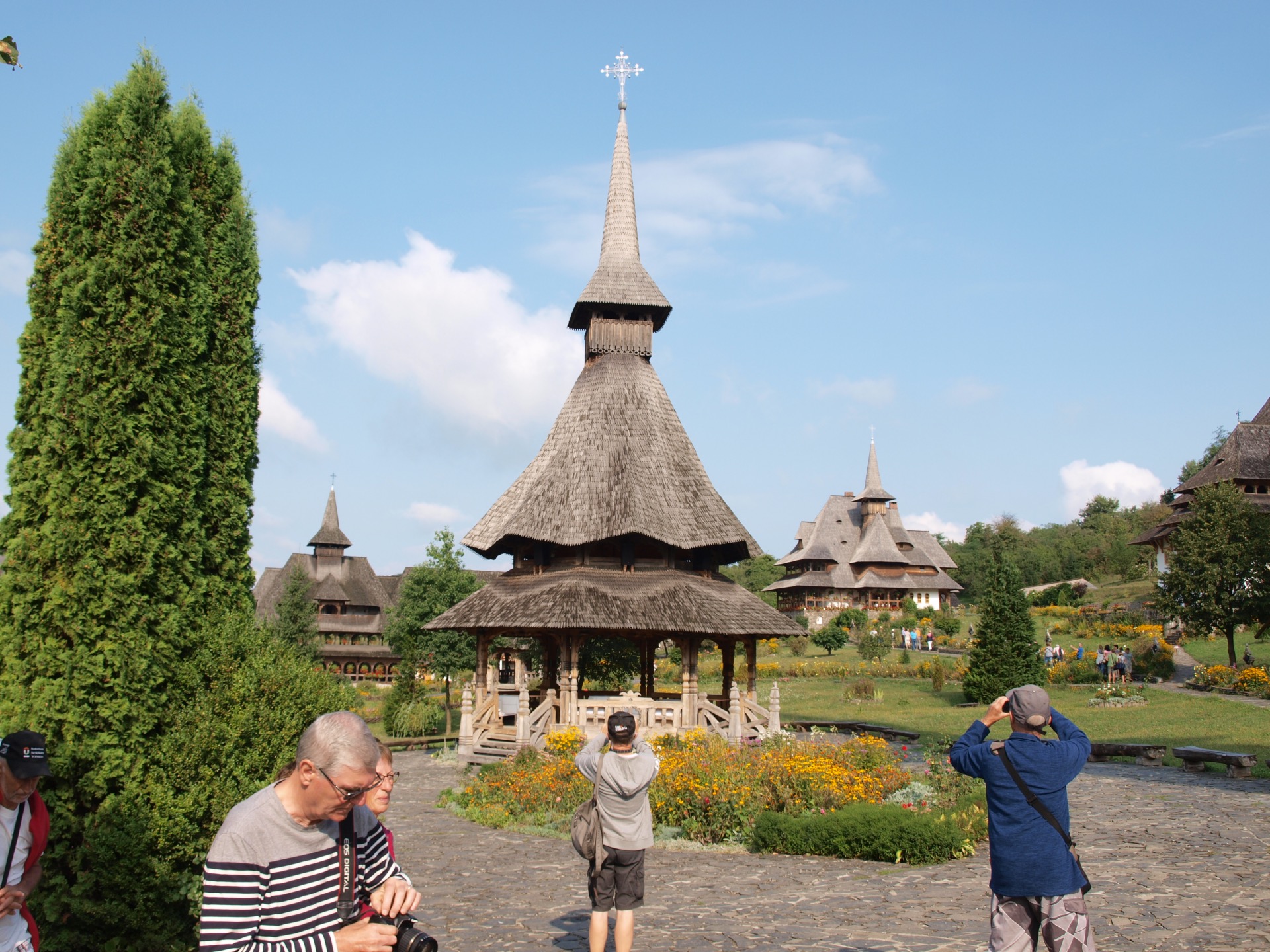
Maramureș remained long on the margins of major Romanian industrial changes, which allowed the survival of an ancient rural way of life: log houses, UNESCO-listed wooden churches, elaborate costumes and a domestic economy based on textile self-production. It is in this heritage that the Dragomirești museum is rooted.
The project was born from a desire to honour the peasant woman, the central figure of the Maramureș household: she spun, wove, sewed, embroidered, in addition to running the house and participating in field work. Rather than building a new structure, the initiators chose to reinvest a traditional peasant dwelling, preserved on site, so that the container would tell the same story as the content.
What you discover in the rooms
The architecture of the homestead
The wooden house is already a piece of the collection. Frame assembled without nails, shingled roof, main room organised around the stove: the layout reflects the hierarchy of domestic uses, with a weaving corner, a sleeping corner and a space reserved for formal textiles.
Textiles and the art of weaving
The heart of the collection is devoted to the transformation cycle of plant and animal fibres. You can see the tools related to obtaining fabric from hemp, linen and wool: combs, distaffs, spinning wheels, looms, as well as dye vats and shuttles. These objects trace an entirely domestic production chain, from field or flock to embroidered shirt.
Clothing and decorative elements
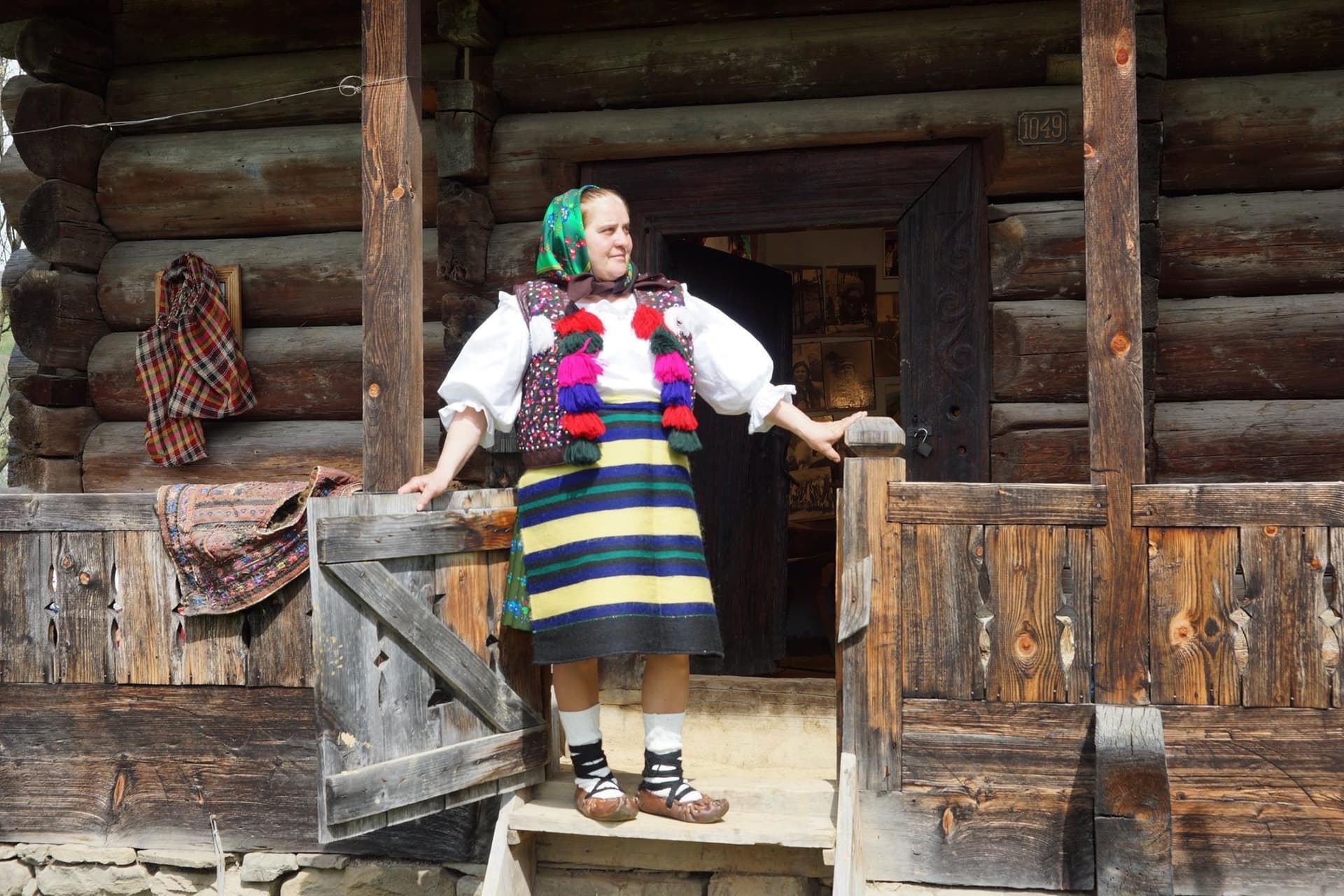
The museum displays a selection of traditional Maramureș garments: embroidered linen shirts, pleated skirts, wool waistcoats, woven belts, headdresses. Decorative textile elements—bedspreads, rugs, ritual towels—show the ornamental importance of textiles in the peasant home, where each piece held both symbolic and practical value.
Household objects and tools
Wooden and ceramic tableware, kitchen utensils, spinning and sewing tools, objects linked to festivals and rites of passage complete the tour. The whole paints a precise picture of rural domestic life at the turn of the twentieth century.
Practical information
- Duration of visit: allow 30 to 60 minutes, as the museum is small.
- Fee: modest admission charge in Romanian lei, to be paid on site.
- Hours: opening times vary by season; it is advisable to call or inquire at Dragomirești town hall outside the summer season.
- Languages: signage mainly in Romanian; an English-speaking guide via a local agency facilitates understanding of the collections.
- Accessibility: historic building with wooden thresholds, poorly suited for people with reduced mobility.
How to get there
Dragomirești is located in the Iza Valley, at the heart of historic Maramureș, about an hour's drive from Sighetu Marmației and an hour and a half from Baia Mare. The nearest airport is Baia Mare, complemented by Cluj-Napoca, which is better served but about four hours' drive away.
The car remains the most practical way to explore the valley, which features several remarkable villages and wooden churches. Minibuses connect Sighetu Marmației to the valley villages, but their frequency is limited and poorly suited to a busy tourist schedule.
To combine in the region and beyond
A visit to the museum fits naturally into a Maramureș circuit: wooden churches at Ieud and Bârsana, the Merry Cemetery at Săpânța, the Sighet Memorial. On a Romanian scale, other places complement this reading of rural and historical heritage:
- The ASTRA Ethnographic Museum in Sibiu, Romania's largest open-air museum.
- The Corvins Castle in Transylvania, for the aristocratic side of the country.
- The Transfăgărășan road, a spectacular crossing of the southern Carpathians.
- Turda Salt Mine, a former salt mine converted into a tourist site.
Frequently asked questions
As the museum is housed in a modestly-sized peasant house, 30 to 60 minutes are sufficient to walk through all the collections.
Opening hours vary greatly by season. Outside summer, it is advisable to inquire in advance with Dragomirești town hall or via a local agency.
Signage is mainly in Romanian. For a detailed reading of the textile collections and household objects, an English-speaking guide via a specialised agency is recommended.
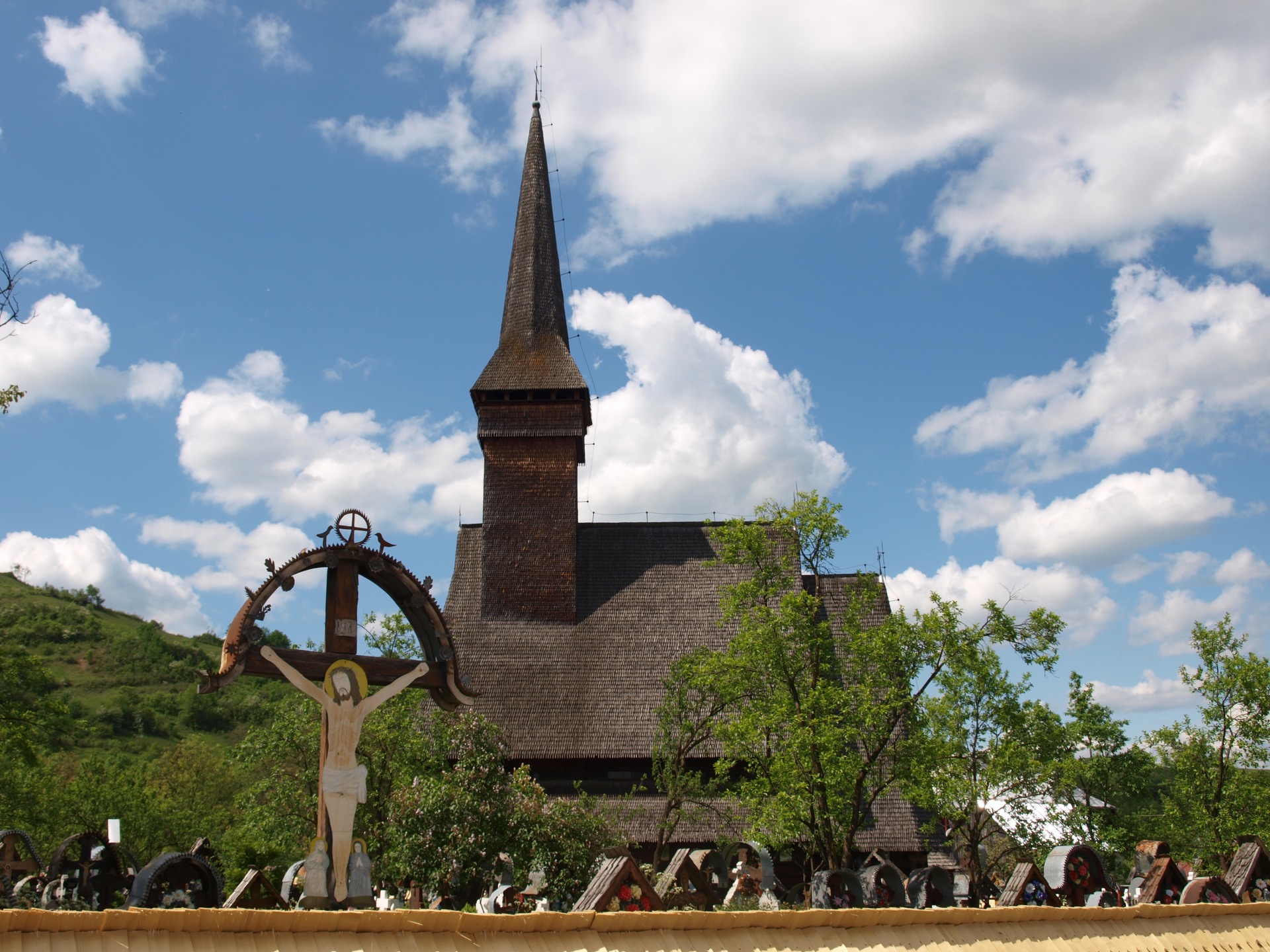
The Iza Valley is home to several UNESCO-listed wooden churches (Ieud, Bârsana), the Merry Cemetery at Săpânța and the Sighet Memorial, all within an hour's drive.
Include Dragomirești in a trip to Roumanie
The Museum of the Romanian Peasant Woman makes full sense in an itinerary devoted to rural Maramureș and its traditional villages. To build a stay that combines the Iza Valley, wooden churches and historic Transylvanian towns, consult our Roumanie travel ideas.
Nearby
Interested in this visit?
We can include it in your personalised itinerary.