Exploring Maramures Region: An Immersion into Rural Life in Romania
Maramures County is a rural area located in northwestern Romania, renowned for its UNESCO-listed wooden churches and folk traditions.
Maramures County is a rural area situated in northwestern Romania. Renowned for its UNESCO-listed wooden churches and folk traditions, this part of the country is also known for the warmth of its native populations, living far removed from the modern world. Curious to learn more about this distinctive and authentic region? Here's a glimpse into exploring Maramures for an immersion into rural life in Romania!
The UNESCO-Listed Wooden Churches
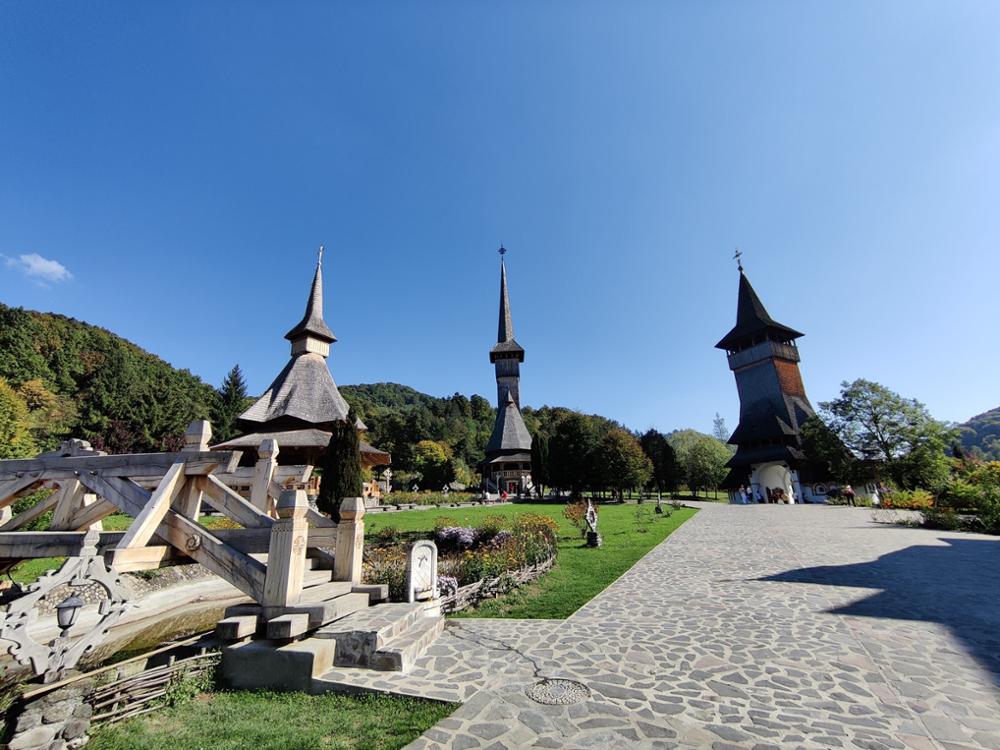
In the Maramures region, no fewer than 93 churches are listed on the country's historical monuments register! Eight of these, considered the most representative of this exceptional heritage (and also selected based on their construction techniques, pictorial works, and state of preservation) were inscribed on the UNESCO World Heritage list in 1999.
Among them, six showcase the region's typical architecture. The Rogoz church represents the "north-Transylvanian" church style, while the Plopis church demonstrates the transition between the two types. Built in different periods, these structures form a truly unique vernacular heritage. Distributed across eight communes, you'll find churches in:
The Presentation of the Virgin Mary at the Temple – also known as "Bârsana Monastery" ;
Saint Nicholas, 1643 (Budești) ;
Saint Paraskeva (Desești) ;
The Nativity and the Virgin (Leud) ;
The Holy Archangels (Plopiș) ;
Saint Paraskeva (Poienile Izei) ;
The Holy Archangels (Rogoz) ;
The Holy Archangels (Surdești).
Due to the perishable nature of wood, they are reconstructed approximately every four or five centuries!
Traditional Rural Villages in Maramures County
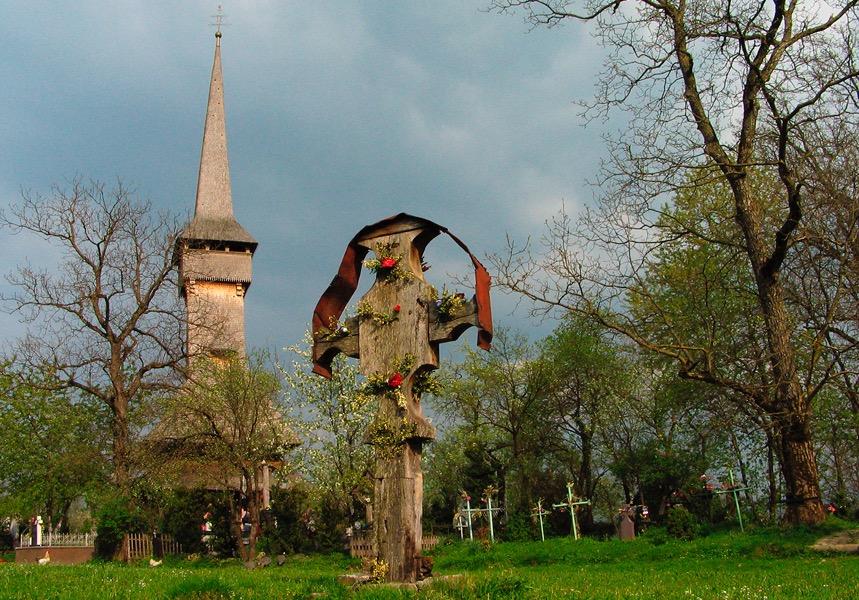
The traditional civilization of Maramures can be observed in numerous villages, scattered across several isolated valleys, including those of Mara, Iza, Cosău, and Tisa. The Maramures heritage extends far beyond religious buildings. Several communes are worth a lingering visit:
The village of Desești: take time to admire the beautiful traditional wooden gates. Carved and adorned with geometric, floral, or animal motifs, they are testament to the families' wealth and status.
The village of Sighetu Marmației: housed in the former prison of the commune, visit the memorial to victims of communism to discover the village's story behind the Iron Curtain between 1947 and 1948. A tip? Also take a detour to the Sighetu Marmaţiei market (the ideal visit for meeting locals)!
The village of Breb: brought to international attention thanks to Prince Charles, this small town features several houses over 100 years old, as well as beautifully carved gates. On Sundays, the church is packed… a perfect opportunity to admire the locals dressed in their traditional costumes!
The "Merry Cemetery" of Săpânța – A Must-See When Exploring Maramures
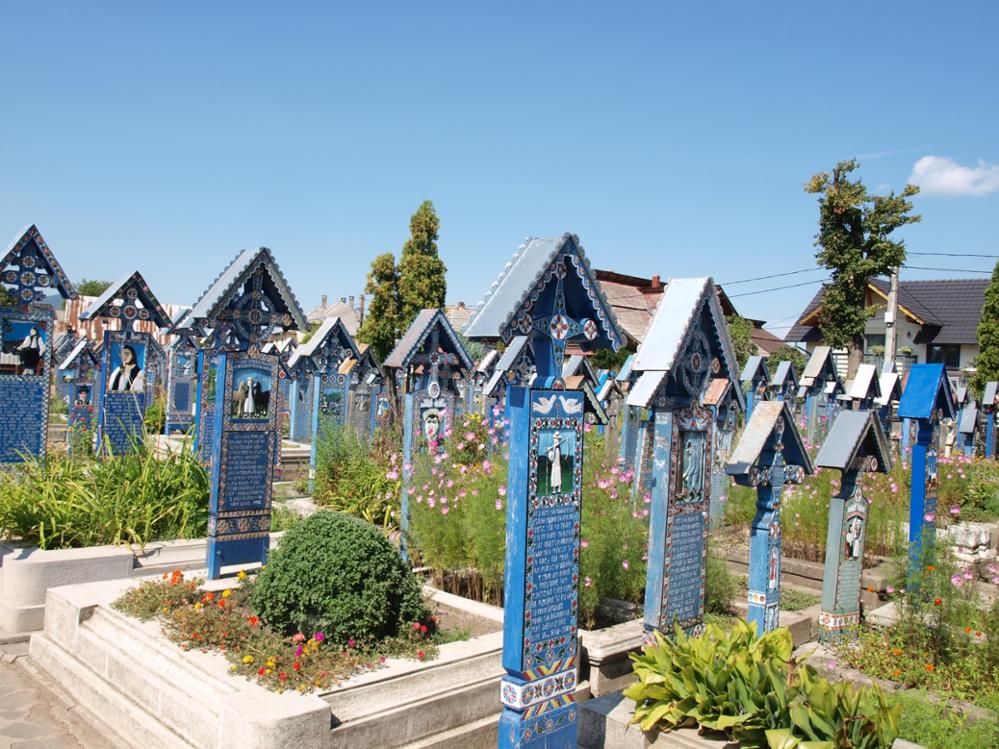
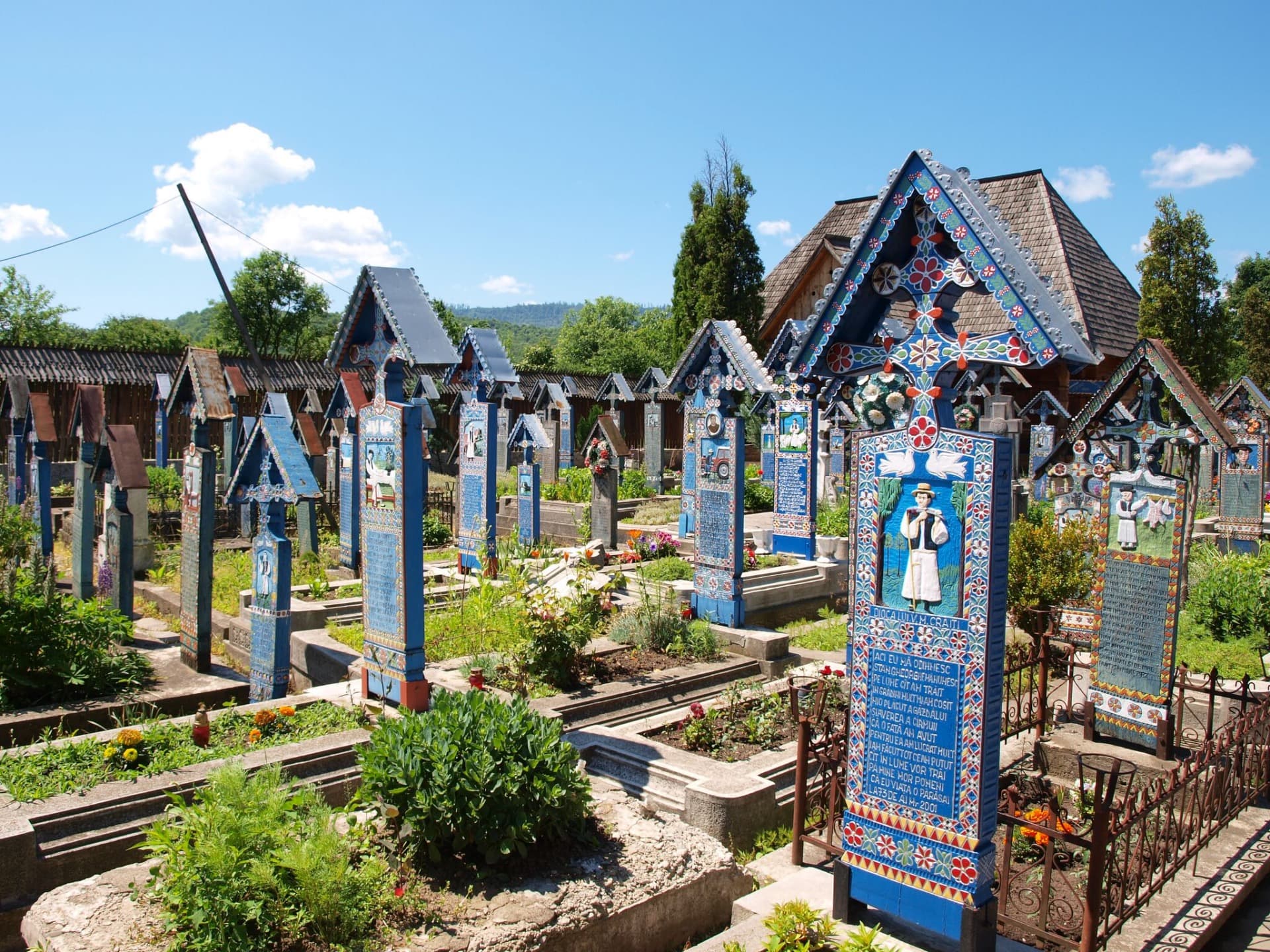
Located in the north of Maramures County, the village of Săpânțã truly deserves a stop. The reason? Its "Merry Cemetery," which surrounds the Church of the Nativity of the Virgin Mary (Nașterea Maicii Domnului). This cemetery owes its name to the vivid tones that color the naïve-style scenes of life painted on the funeral stelae. Some vignettes depict the deceased. Whether nostalgic or humorous, they are accompanied by blue crosses and abundant flowers…
Maramures Mountains Natural Park
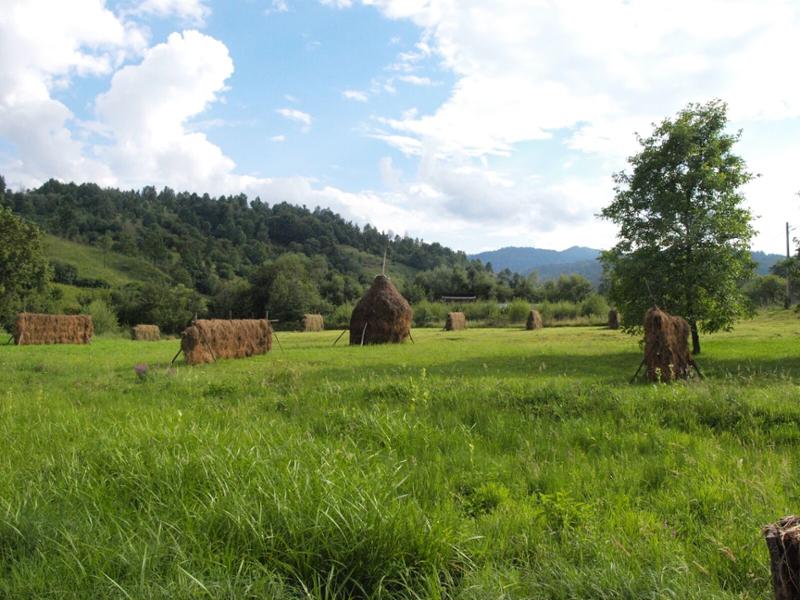
At the heart of its vast lands, the region is home to the Maramures Mountains Natural Park. This protected area features seven hiking trails, as well as several picturesque villages. In the heart of this wild nature (home to foxes, eagles, and lynx, among others), you'll find the village of Poienile de sub Munte. Located in the Ruscova River valley, this small town preserves an Orthodox wooden church dating from 1788 and is renowned for the kindness of its inhabitants.
Meeting the Locals or Immersing Yourself in Rural Life in Romania!
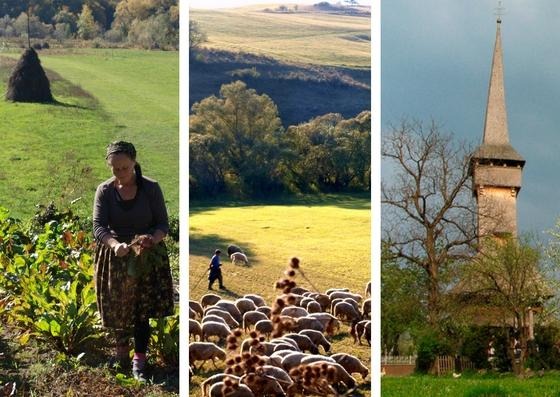
While Maramures County flourishes far from modern life, its population remains welcoming to visitors. Eager to share their customs and traditions, locals go about their daily routines under the amazed gaze of tourists. During your trip, you'll witness scenes of pastoral life… now rare in the 21st century.
Indeed, it's not uncommon to see locals traveling in carts or harvesting grain by hand. Note that some families welcome visitors for overnight stays. An opportunity to savor life's simple pleasures and traditional Romanian cuisine. At dinner, your hosts might serve you Ciorbă ţărănească din Maramureş (a peasant soup from the region, made with pork ribs, smoked sausages, egg yolks, spices, vegetables, and fresh cream) or a Cozonac brioche.
Frequently asked questions
The 8 wooden churches inscribed on the UNESCO World Heritage list in 1999 in Maramures are: Bârsana Monastery, Saint Nicholas Church in Budești, Saint Paraskeva in Desești, the Church of Leud, Holy Archangels of Plopiș, Saint Paraskeva of Poienile Izei, Holy Archangels of Rogoz, and Holy Archangels of Surdești.
The cemetery of Săpânța is nicknamed the 'Merry Cemetery' because of its funeral stelae painted in bright colors, adorned with naïve and humorous scenes depicting the deceased. These blue crosses decorated with flowers and anecdotes bring a positive and serene vision of death, very characteristic of Romanian popular culture.
Spring (May-June) and autumn (September-October) are generally the best seasons to visit Maramures. Nature is beautiful, temperatures are pleasant, and villages are animated by traditional agricultural activities. Winter offers a picturesque snow-covered landscape, but access to some villages may be difficult.
From Cluj-Napoca, allow approximately 3 to 4 hours of driving (about 200 km) to reach Baia Mare, the region's main city. From Bucharest, the journey is approximately 6 to 7 hours by car. It's also possible to take the train to Baia Mare or Sighetu Marmației, then rent a vehicle to explore the isolated villages in the valleys.
Yes, agrotourism is well-developed in the Maramures region. Many local families welcome visitors for overnight stays, introducing them to traditional Romanian cuisine, such as Ciorbă ţărănească (peasant soup) or Cozonac brioche. It's an excellent way to immerse yourself in the authentic rural life of the region.