Gorj Popular Architecture Museum
Gorj Popular Architecture Museum
Open-air museum in Curtișoara, Gorj County: peasant houses, fortified culă, and rural architecture of Oltenia, listed as a historical monument.
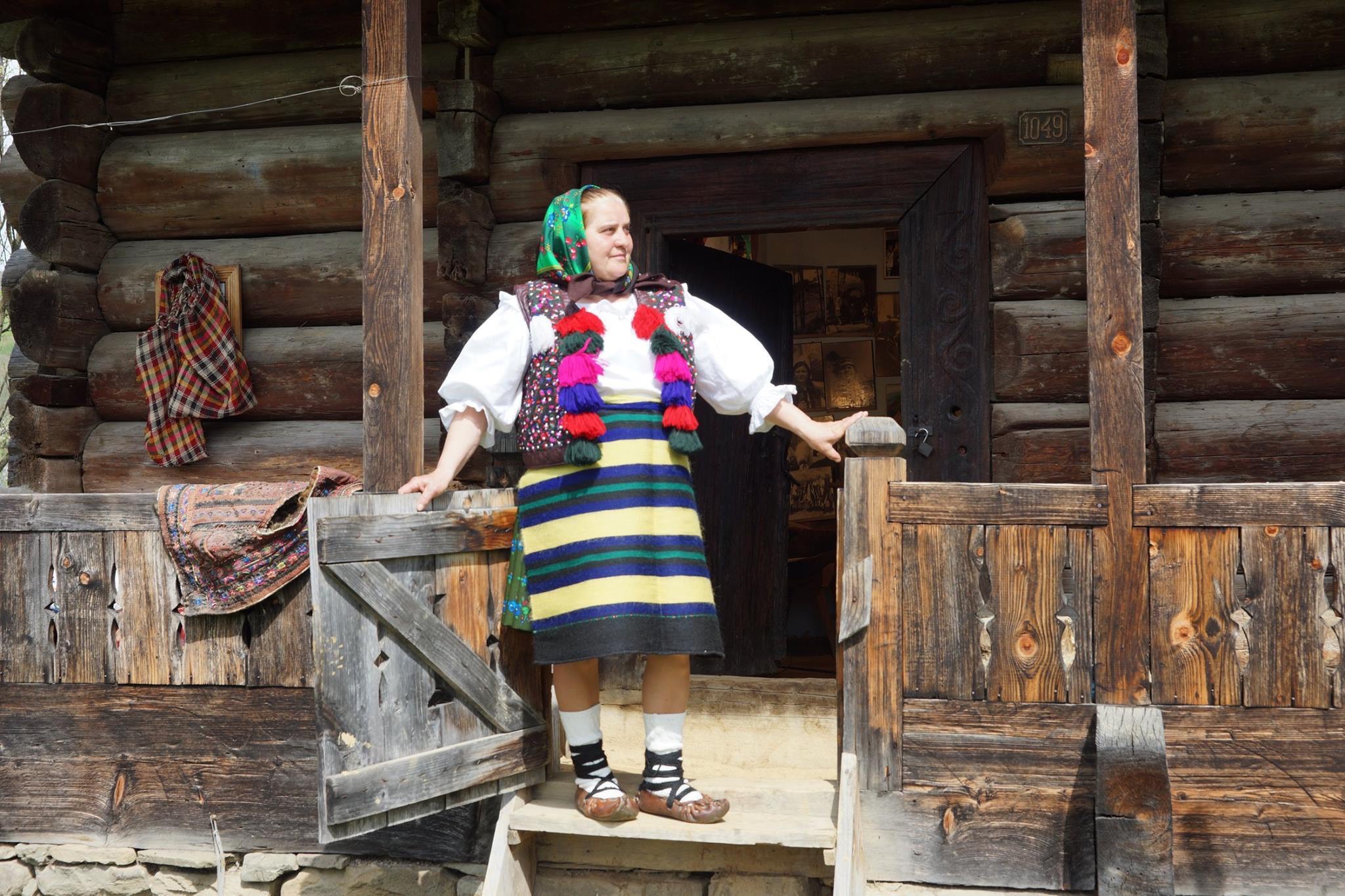
The Gorj Popular Architecture Museum is an open-air museum located in the village of Curtișoara in southwest Romania. It brings together structures illustrating the vernacular architecture and traditional artisanal techniques characteristic of Gorj County, a region renowned for its rural heritage and the richness of its woodworking. The entire site has been declared a historical monument by Romania's Ministry of Culture and National Heritage.
Why visit the Gorj Popular Architecture Museum
The museum appeals to those interested in Romanian rural culture and traditional Oltenia craftsmanship. Unlike a conventional museum with display cases, you wander outdoors here among wooden buildings that have been reassembled on-site after being carefully dismantled from their original villages. This approach allows you to understand the layout of a peasant farmstead, local materials, and domestic practices from centuries past.
The visit remains unhurried: the site is rarely crowded, making it an ideal complement to an itinerary through southwest Romania, away from the classic routes centered on Transylvania or Maramureș.
What you can see on site
The route comprises vernacular structures typical of Gorj County:
- Peasant dwellings in wood or stone, with their original interior arrangements (furniture, textiles, household utensils).
- Culă: fortified tower-houses typical of southwest Romania, designed to withstand incursions and a striking architectural landmark of the region.
- Farm buildings related to rural activities: granaries, stables, workshops.
- Wooden religious structures, in the tradition of Romanian rural churches.
- Tools and everyday objects illustrating local artisanal techniques (weaving, pottery, woodworking).
To compare with another larger-scale open-air ethnographic museum, you can extend your interest in this type of heritage to the ASTRA Ethnographic Museum in Sibiu, or the Museum of the Romanian Peasant Woman in Dragomirești in Maramureș.
Practical information
- Type: open-air museum (vernacular architecture and ethnography).
- Location: village of Curtișoara, Gorj County, near the town of Târgu Jiu.
- Visit duration: allow approximately 1.5 to 2 hours to explore the entire site.
- Admission: moderate entrance fee, in line with typical regional Romanian museums.
- Visit conditions: wear sturdy footwear; the terrain is outdoors and can be muddy after rain.
Opening hours vary by season and some buildings may be closed periodically. Check for up-to-date information before your visit.
When to visit
The most pleasant period extends from late April to early October, when temperatures allow for comfortable outdoor exploration. Spring and early autumn offer soft light and fewer visitors. Summer remains viable but can be hot midday; morning visits are preferable. In winter, access may be restricted due to snow and the preservation needs of the wooden buildings.
How to get there
Curtișoara lies about ten kilometers north of Târgu Jiu, the capital of Gorj County. From Târgu Jiu, allow twenty minutes by car along the main road heading north. Driving remains the most convenient option for combining this visit with other sites in the region. Regional bus and train services also serve the area, though frequencies are limited.
Târgu Jiu is accessible from Bucharest, Sibiu, or Craiova by road or train.
What to combine in the region
Gorj County and its surroundings feature several complementary points of interest:
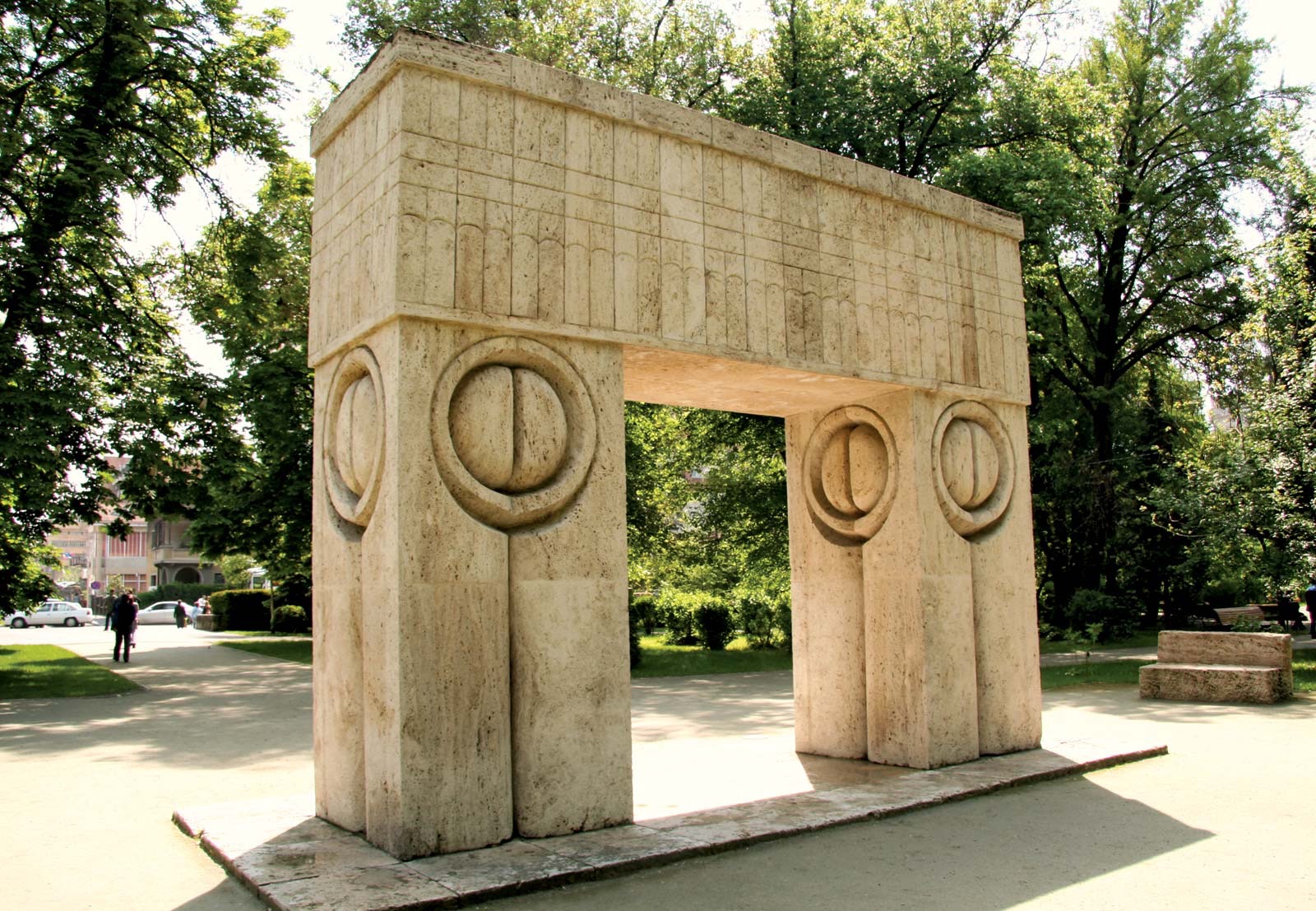
- The sculptural ensemble of Constantin Brâncuși in Târgu Jiu (Infinite Column, Table of Silence, Gate of the Kiss).
- The monasteries of Oltenia, including Tismana and Polovragi, set in natural landscapes marked by the Carpathian foothills.
- The Jiu Gorges and surrounding national park, for a nature-focused stop.
If you head further north, you can continue exploring wooden heritage with the wooden churches of Ieud in Maramureș, or discover very different landscapes at the Creasta Cocoșului geological reserve.
Planning your trip
The Gorj Popular Architecture Museum integrates well into an itinerary combining rural heritage, Brâncuși sites, and Carpathian nature. To build a coherent journey around these themes, explore our Romania travel suggestions.
Interested in this visit?
We can include it in your personalised itinerary.