Practical information Romania
Romania has been a member of the European Union since 2007 and fully entered the Schengen area in March 2024 for air and maritime travel. For French, Belgian, Swiss and Canadian nationals, entry formalities are straightforward but vary depending on your nationality, and we detail here the documents to prepare, passport or ID card validity, and rules for stays over 90 days. On the health side, no vaccines are mandatory, but updating DTP and hepatitis A remain recommended, and ticks require real vigilance between April and October in the Carpathians. The average budget runs around 60 to 90 euros per day and per person excluding international flights, in family-run guesthouses and local restaurants, more in charming hotels. The currency is the Romanian leu (RON), cards work everywhere in cities but cash remains useful in villages. The continental climate requires planning: hot and dry summers in Bucharest (July-August), guaranteed snow in Transylvania from December to March, with May-June and September being our preferred seasons. For transport, car rental is essential away from major routes, trains connect Bucharest, Brașov and Sibiu reasonably well, and certain mountain roads (Transfăgărășan, Transalpina) only open between June and October. Cornelia and our team in Bucharest answer all your practical questions before and during your trip, and we update these pages as regulations evolve.
Plan your trip by theme
Explore our practical guides organized by category to quickly find the information you need.
Before You Go
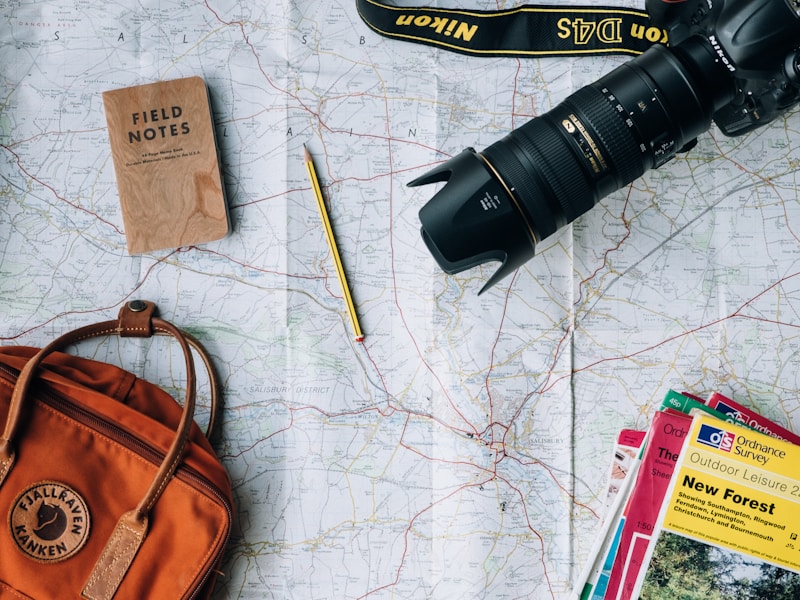
Identity card or passport, authorized length of stay, travel insurance, recommended vaccines, and formalities to plan ahead for in Romania.
2 articles
Budget
Romanian lei (RON), indicative exchange rate, daily budget per person, card payments, ATMs and tipping practices.

Climate & Season
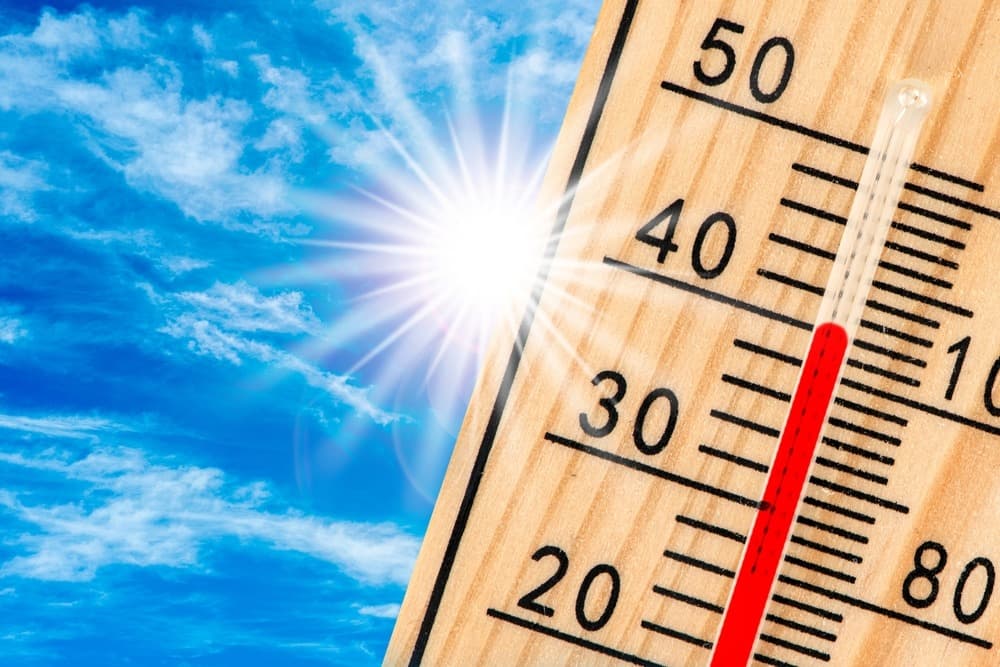
Continental climate, hot summers in Bucharest, snowy winters in Transylvania, best months May-June and September depending on the region.
1 article
Transports
Rental car essential, trains between major cities, seasonal mountain roads, actual condition of road network.
1 article
Culture
Majority Orthodoxy, practices in monasteries, greetings, Romanian table, Saxon village codes and Maramureș traditions.

Helpful Tips
Reassuring overall safety, tick vigilance in forests, tap water, 230V electricity, mobile coverage and agency advice.
1 articleAll practical guides
Search and filter among 5 articles



5 of 5 results
Frequently asked questions
The answers to the most frequently asked questions from our travellers.
No visa is required for French, Belgian, Luxembourg and Swiss nationals, nor for European Union citizens. A valid national identity card is sufficient for stays of less than 90 days, but we recommend a passport, which is more practical in case of car rental or border control. For Canadians, entry is also visa-free for 90 days within any 180-day period. Romania entered the Schengen area for air and maritime travel in March 2024, which simplifies connections. Beyond 90 days, a residence permit must be requested from the General Immigration Inspectorate.
No vaccinations are mandatory to enter Romania. However, our team in Bucharest recommends staying up to date with DTP (diphtheria, tetanus, poliomyelitis) and pertussis, as well as hepatitis A if you plan stays in rural areas. Hepatitis B and rabies can be discussed for long stays or extended hiking trips. The main concern is ticks, present in the Carpathian forests between April and October, which can transmit Lyme disease and meningoencephalitis. A TBE vaccine exists for hikers in at-risk areas. Plan for insect repellent, long clothing, and daily inspections. No malaria in Romania.
Count between 60 and 90 euros per day and per person excluding international flights, for a trip staying in a guesthouse or 3-star hotel with local restaurants and shared car rental. A meal in a traditional tavern costs 12-18 euros per person, a night in a guesthouse 40-70 euros for a double room, a coffee 2 euros. Moving upmarket with boutique hotels in Transylvania and gastronomic restaurants in Bucharest, budget 130 to 180 euros per day. A compact car rental runs around 35 euros per day, fuel at approximately 1.40 euros per litre. Entrance fees to monasteries and castles range from 5 to 12 euros.
We recommend May, June and September for most itineraries. Temperatures are pleasant (18-25 °C), meadows bloom in May-June, magnificent autumn colours in September, and mountain roads are open. July and August remain very hot in Bucharest (30-35 °C) but perfect at altitude in the Carpates, with higher crowds at Bran and Sinaia. The Danube Delta is best visited from May to June for bird nesting season. Winter (December to March) is ideal for skiing at Poiana Brașov or Sinaia, and Christmas markets in Sibiu and Brașov. April and November tend to have unpredictable weather.
A rental car is the most flexible solution for exploring Transylvania, Maramureș and Bucovina, where public transport becomes scarce. Main roads are acceptable, but expect slow stretches, carts and potholes in rural areas. The mountain roads Transfăgărășan and Transalpina, among Europe's most spectacular, are only open between June and October depending on snow conditions. The train efficiently connects Bucharest to Brașov (2h30), Sibiu and Cluj, at reasonable prices. For travelers preferring not to drive, our agency offers an English-speaking driver-guide, particularly suited for mountain roads and remote villages.
Romania ranks among Europe's safest destinations for travelers. Assaults are rare, including in Bucharest, and tourist areas (Brașov, Sibiu, Sighișoara) are perfectly safe. Standard precautions apply: stay alert on the capital's public transport against pickpockets, watch out for unlicensed taxis at Otopeni airport (use official stands or Bolt), exercise caution on roads at night due to wildlife and unlit carts. In the mountains, bears may approach inhabited areas—never leave food unattended. Our English-speaking team in Bucharest is available 24/7 throughout your trip in case of any issues.
Ready to travel to in Romania?
Discover our tailor-made itineraries, designed by our local team. Each route adapts to your pace, your preferences and your travel season.
See our toursWe use cookies to improve your experience and measure our site's audience. You can choose what you accept. Learn more.