Icon Museum
Icon Museum
Founded in 1969 by priest Zosim Oancea, the Sibiel museum preserves a unique collection of glass icons painted by villagers from Transylvania.
Located within the grounds of Sibiel Church in Transylvania, the glass icon museum houses one of Romania's most significant collections of popular religious art. Founded in 1969 by priest Zosim Oancea, it bears witness to a pious tradition deeply rooted in Romanian villages: that of the home-painted icon, blessed by the village, preserved as a protector of the household.
Why visit the Sibiel icon museum
This museum is far more than a simple cabinet of ecclesiastical curiosities. It documents a popular artistic practice born in rural Transylvanian communities during the 18th and 19th centuries, when glass-painted icons represented one of the few religious objects accessible to Orthodox peasant families. The pieces gathered by Father Oancea come primarily from the Sibiu region, but also from other centers of Transylvanian production such as Făgăraș, Nicula, and Șcheii Brașovului.
The appeal of a visit lies in its stylistic diversity: from hiratic figures rendered in sober colors to more naive compositions, where saints take on the features and dress of villagers. For anyone interested in popular art, Romanian Orthodoxy, or ethnography, this is an essential educational stop.
Museum history and Father Zosim Oancea
The museum owes its existence to one man's determination. As priest of Sibiel, Zosim Oancea began collecting glass icons in danger of being forgotten from the late 1960s onward, gathering them from attics and homes in surrounding villages. He founded the museum in 1969 within the dependencies of the parish church, at a time when the Communist regime did little to encourage such religious initiatives.
The collection grew gradually through donations and patient fieldwork among villagers. Today, the holdings comprise several hundred glass icons, complemented by wooden icons, ancient books, and various liturgical objects.
What to see in the collection
Glass icons, the museum's heart
The majority of displayed pieces are naive icons, painted by villagers themselves. Each family owned at least one icon, intended to protect the household. A family member would create the image, then present it to the parish priest for blessing: according to local belief, an icon that is not blessed is powerless. This connection between domestic creation and priestly blessing gives each piece a dual value—both artistic and spiritual.
The iconographic themes are diverse: Virgin and Child, Crucifixion, protective saints (Saint Nicholas, Saint George, Saint Elijah in his chariot), scenes from Christ's life. The bright colors applied to the reverse of the glass produce a characteristic luminous effect.
Other displayed objects
- Wooden icons, some dating back centuries
- Liturgical books and religious manuscripts
- Ethnographic objects related to domestic piety
- Documents on the history of Sibiel village and church
Practical information
- Location: grounds of Sibiel Church, approximately 25 km west of Sibiu
- Duration of visit: allow 45 minutes to 1 hour
- Admission: moderate entrance fee, possible additional charge for photography
- Guided tours: available on request, in Romanian and sometimes in English
- Tip: combine your visit with lunch at a village guesthouse, as Sibiel is a major center of Transylvanian agritourism
How to reach Sibiel
Sibiel sits at the foot of the Cindrel Mountains, accessible from Sibiu in approximately 30 minutes by car via DN1 road then a secondary route. A rail link also serves the village from Sibiu, with several regional trains daily. Car rental remains the most flexible option for combining Sibiel with neighboring villages in the Săliște valley.
What to see nearby
The Sibiu region offers a rich array of complementary visits:
- The ASTRA Ethnographic Museum, an open-air museum on the outskirts of Sibiu
- The villages of Mărginimea Sibiului, pastoral traditions and rural architecture
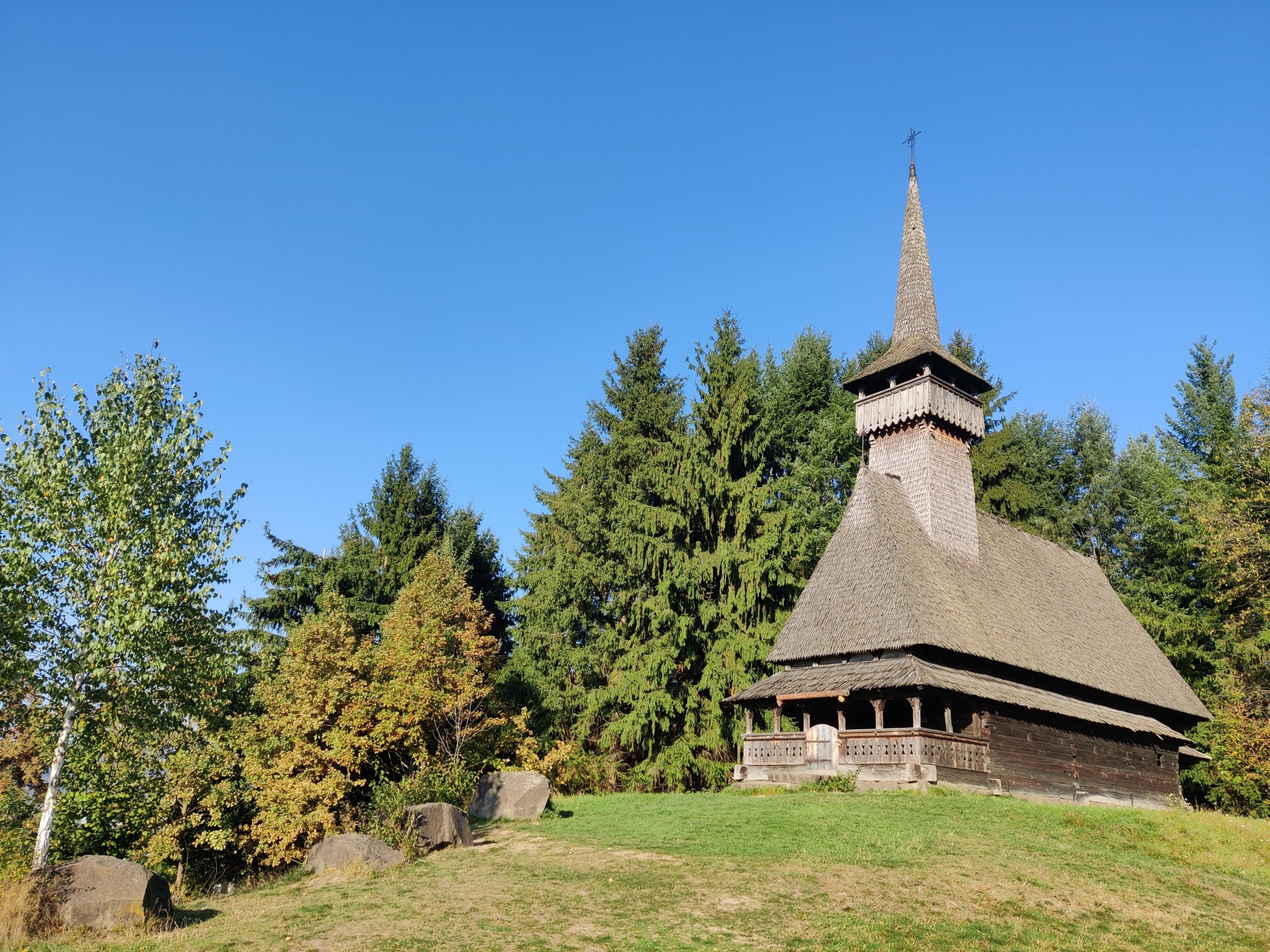
- The series of wooden churches in northern Romania to further explore religious heritage
- The Romanian Peasant Woman Museum in Dragomirești, in Maramureș
Frequently asked questions
The museum was created in 1969 by priest Zosim Oancea, who gathered glass icons scattered throughout villages in the Sibiu region to save them from being forgotten.
According to local belief, an icon that is not blessed is powerless. Once painted by a family member, it would be brought to the parish priest to receive a blessing, enabling it to protect the household thereafter.
Allow 45 minutes to 1 hour to explore the collection. The visit naturally extends into the village of Sibiel itself, which is ideal for a stop at a rural guesthouse.
The museum is open throughout the year, but hours may vary by season. It is advisable to check with the Sibiu tourism office before visiting, especially outside peak season.
To incorporate Sibiel and its icon museum into a broader Transylvanian itinerary, consult our suggestions for custom travel in Roumanie.
Interested in this visit?
We can include it in your personalised itinerary.