Turda Gorges
Turda Gorges
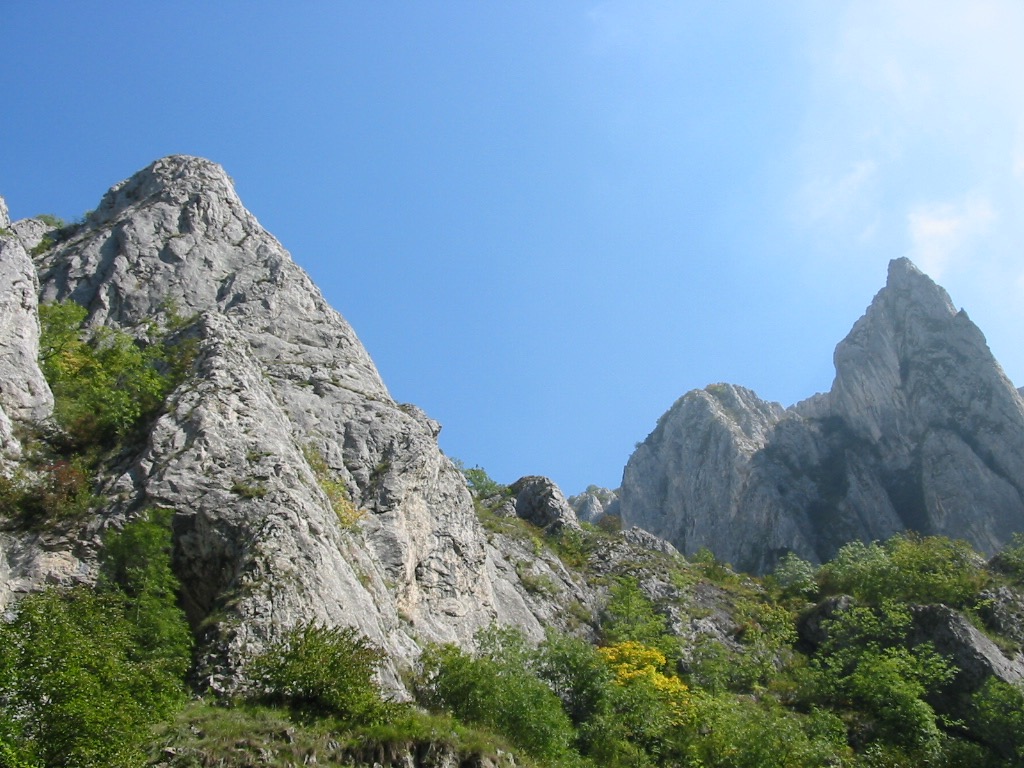
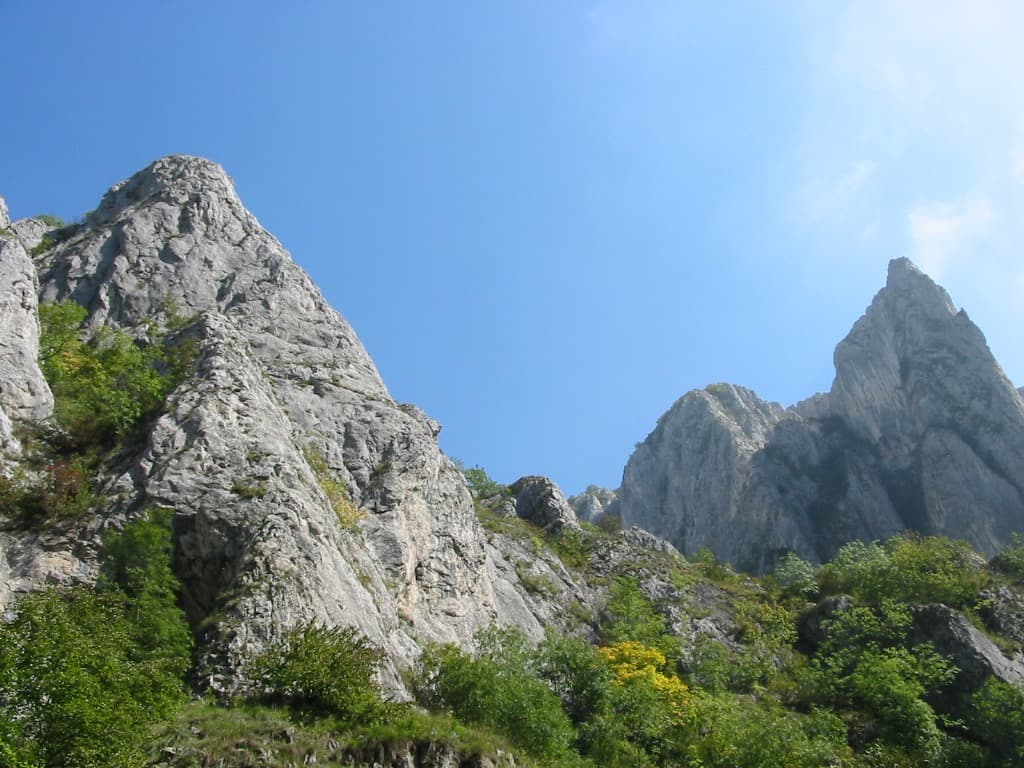
A 2.9 km limestone canyon carved into the Apuseni Mountains, 30 km from Cluj-Napoca, Turda Gorges combine accessible hiking, protected biodiversity and 300 m cliff walls.
Turda Gorges (Cheile Turzii in Romanian) form a limestone canyon carved by the Hășdate River in the Apuseni Mountains, approximately 6 km west of the town of Turda. Along nearly 2.9 kilometres of marked trail, the rocky walls rise in places to 300 metres, harbouring fauna and flora protected since the 1930s. This site, classified as a nature reserve, ranks among the most visited karst areas in Transylvania.
Why visit Turda Gorges
The canyon offers a rare concentration of landscapes, biodiversity and geological heritage over a short, accessible distance. Three elements set the site apart:
- Spectacular geology: a canyon formed by the erosion of Jurassic limestone, punctuated by caves, arches and pinnacles.
- Protected biodiversity: the reserve is home to over 1,000 plant and animal species, several of which are endemic to the Apuseni.
- Easy access: less than 30 km from Cluj-Napoca, the main hike takes a half-day and is suitable for regular walkers.
What to see on site
The main canyon trail
The classic route follows the river for approximately 2.9 kilometres, passing over metal footbridges, stairs carved into the rock and narrow sections where the walls close in. Allow 2 to 3 hours for a leisurely round trip, with a few short but sustained climbs.
Caves and shelters
Turda Gorges is home to around sixty cavities. Several are visible from the trail, such as the Brigands' Cave (Peștera Hoților) or Binder Cave. Most cannot be visited freely and require speleological supervision.
Fauna and flora
The site is known among botanists for its yellow garlic (Allium obliquum), a rare relict species in Central Europe. The walls also welcome nesting raptors and, in wooded areas, a variety of butterflies and wild orchids.
High viewpoints
To grasp the full scale of the canyon, ridge trails climb above the walls. They require some effort but offer a complete perspective on the valley and the Apuseni Mountains in the background.
Practical information
- Difficulty: easy to moderate hiking, not recommended for those prone to vertigo on certain footbridges.
- Equipment: walking shoes with grippy soles essential (trail is damp and slippery in places), water, windbreaker.
- Duration: 2 to 4 hours depending on pace and variants taken.
- Entrance fee: a modest entrance fee is charged at the reserve, payable in lei.
- Dining: a few cabins (Cheile Turzii cabin) offer simple meals near the entrance.
When to visit
The most favourable period extends from May to October, with peak crowds in July-August. Spring offers the densest vegetation and rare blooms, while autumn gives the limestone more striking contrasts. In winter, the trail remains accessible but becomes icy: some footbridges may be closed for safety reasons. It's best to check locally before visiting outside the main season.
How to get there
The Gorges are located between the villages of Mihai Viteazu and Petreștii de Jos, in Cluj County.
- From Cluj-Napoca: approximately 30 km south, or 40 to 50 minutes by car via DN1/E81 and local roads to Cheile Turzii.
- From Turda: 6 km west, accessible by taxi or car in around ten minutes.
- By public transport: buses connect Cluj-Napoca to Turda, but the final stretch to the reserve is done by taxi or on foot (approximately 1.5 hours walk from Mihai Viteazu).
A car park is available at the main canyon entrance.
What to combine nearby
A visit to the gorges pairs easily with other sites of interest in Transylvania:
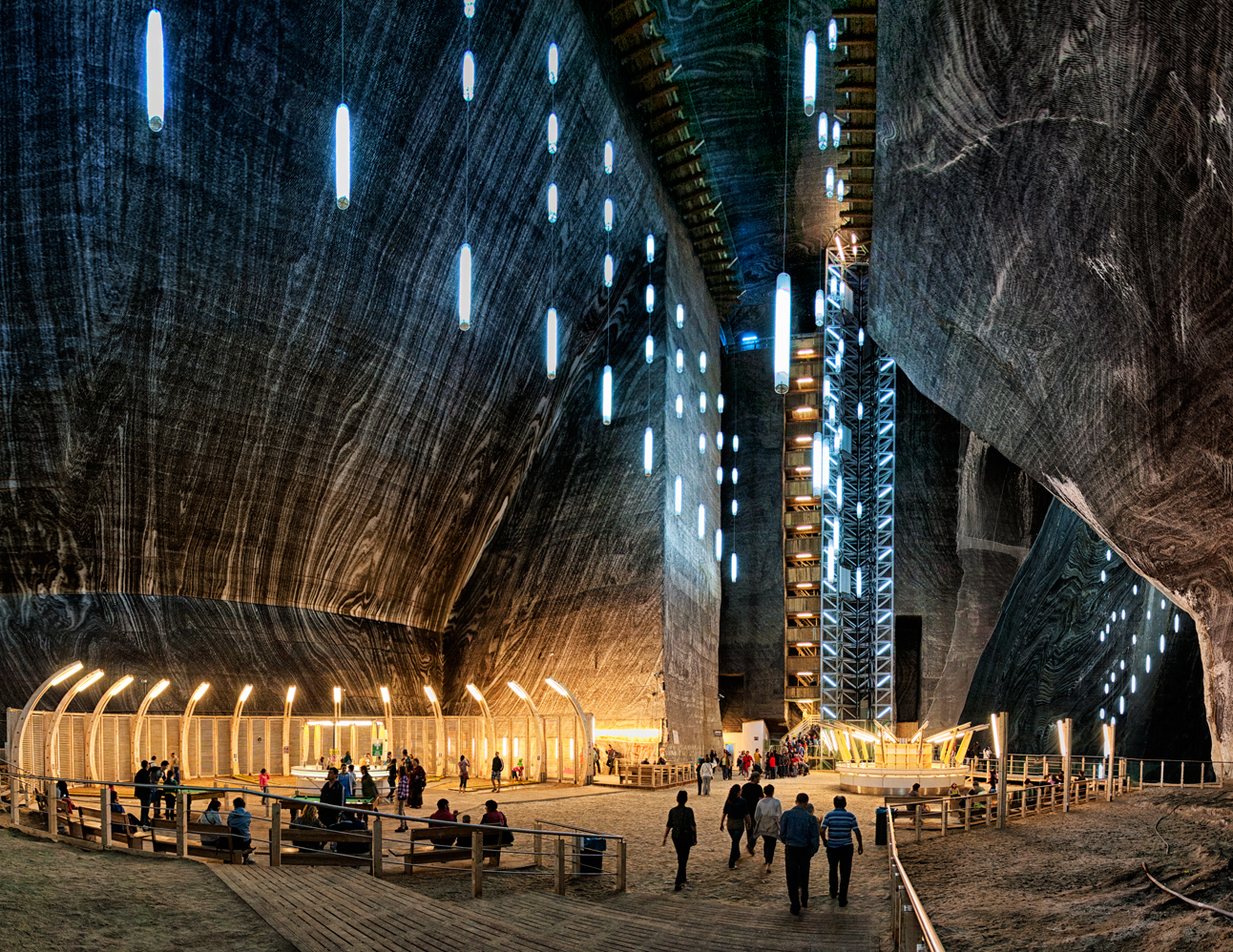
- Turda Salt Mine (Salina Turda): about twenty minutes drive away, one of Romania's most famous underground attractions.
- Cluj-Napoca: the cultural capital of Transylvania, ideal as a base for exploring the Apuseni.
- The ASTRA Ethnographic Museum in Sibiu, to further explore Romanian rural culture.
- The wooden churches of Ieud, in Maramureș, for another facet of Carpathian heritage.
Frequently asked questions
Frequently asked questions
Allow 2 to 3 hours for the main trail round trip, and up to 4 hours if you take the elevated ridge paths.
Yes, children accustomed to walking can follow the main trail. A few passages on metal footbridges over the river do require extra care, however.
Access remains possible, but the trail becomes slippery and some footbridges may be temporarily closed. The May to October period is far more comfortable.
These are two separate sites, located about twenty kilometres apart. The Gorges are an open-air limestone canyon, while Salina Turda is a former salt mine developed as an underground tourist site.
No, the main trail is marked and easy to follow. A guide is recommended only for speleological trips in the additional caves.
Including Turda Gorges in your trip
Turda Gorges fit naturally into a Transylvania itinerary, between Cluj-Napoca, Turda Salt Mine and villages in the Apuseni Mountains. To design a bespoke trip combining nature, heritage and traditional villages, see our Romania travel suggestions.
Interested in this visit?
We can include it in your personalised itinerary.