Rodna Mountains
Rodna Mountains
The Rodna Mountains in northern Romania are home to 23 glacial lakes, ridges rising above 2,200 metres and Carpathian wildlife within a national park designated as a UNESCO biosphere reserve.
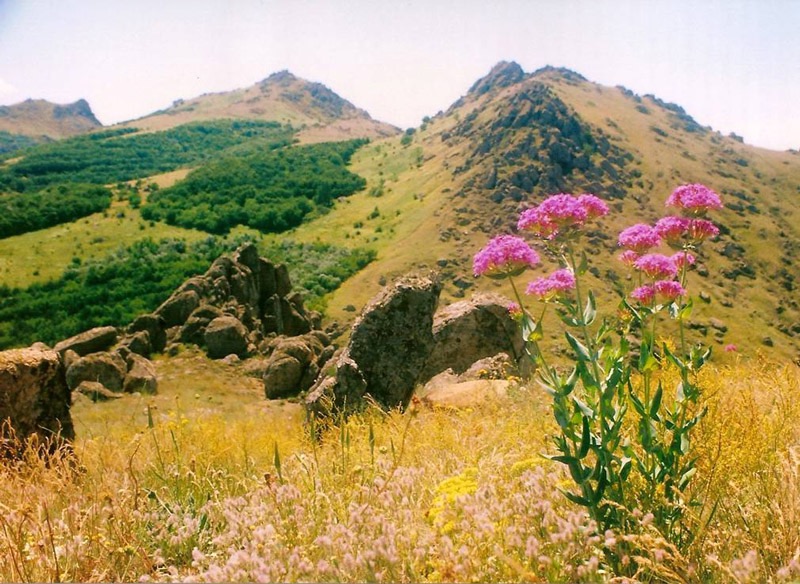
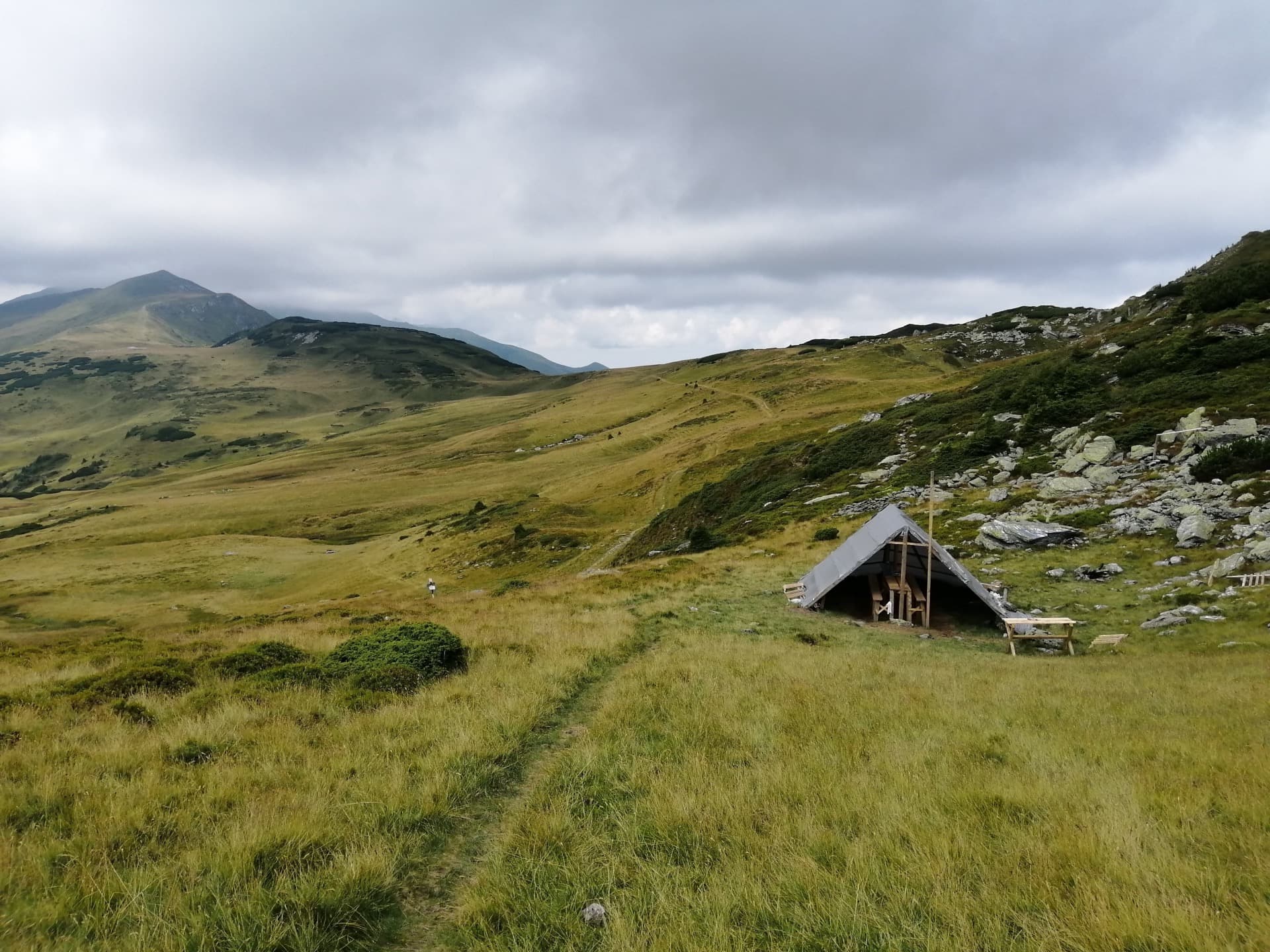
The Rodna Mountains (Munții Rodnei) form one of the highest ranges of the Eastern Carpathians in Romania, in the north of the country, between the regions of Maramureș and Bistrița-Năsăud. The massif reaches over 2,200 metres at its highest point, Pietrosul Rodnei peak, and is home to a national park recognised as a UNESCO biosphere reserve. Glacial lakes, alpine ridges, coniferous forests and wild fauna make it an exceptional terrain for hiking and nature observation.
Why visit the Rodna Mountains
The massif displays a rare concentration of geological, botanical and faunal features inherited from the last glaciation. There are 23 glacial lakes here, including Lake Lala Mare, situated beneath the Ineu peak at 1,815 metres altitude. With an area of 5,637.5 m² (figure to be confirmed on site), it is considered the largest glacial lake in the Rodna massif and is part of the Ineu-Lala nature reserve, integrated into the national park.
It is also in these mountains that several important watercourses originate, notably the Someșul Mare (Great Someș) river. The relative isolation of the massif has allowed the preservation of ecosystems that remain largely unmodified, still populated by large Carpathian mammals.
What to see and do
Glacial lakes
The 23 glacial lakes are one of the signatures of the massif. Beyond Lala Mare, you can reach Lake Lala Mică, as well as other small bodies of water nestled in cirques beneath the summits. High-altitude trails connect these lakes to the main ridges.
Summits and ridges
- Pietrosul Rodnei (2,303 m), the highest point of the massif
- Ineu peak (2,279 m), above Lake Lala Mare
- The main ridge, which can be traversed over several days as a hiking itinerary
Flora: glacial relics
The area around the lakes and neighbouring peatlands is home to glacial relics, that is, plant species that have survived since the last cold period. Notable finds include the horned flower and yellow gentian, as well as numerous rare flowers typical of the alpine zone.
Carpathian fauna
The massif is home to fauna representative of the Romanian Carpathians:
- Carpathian chamois (black goats) on high-altitude rocky areas
- red deer and roe deer at the forest edge
- brown bears, wolves and lynx, more elusive
- marmots in high-altitude scree fields
- golden eagles, mountain lizards and high-altitude birds
When to go
The best time to explore the Rodna Mountains runs from late June to mid-September, when snow has melted on the ridges and glacial lakes are accessible. July and August offer the most stable conditions, but also the heaviest use of main trails. June remains interesting for alpine wildflowers, and September for autumn colours in the forest. In winter, the massif is wild and demanding, reserved for hikers equipped with snowshoes or ski touring gear, with a genuine avalanche risk on certain slopes.
Practical information
- Status: Rodna Mountains national park, UNESCO biosphere reserve
- Altitude: main trails between 1,500 and 2,300 m
- Duration of hikes: from day walks to ridge traversals over 2 to 4 days
- Level: most itineraries require good physical fitness and mountain gear
- Accommodation: mountain refuges (huts) at altitude and guesthouses in gateway villages
- Free access to the park, but strict respect of fully protected areas
Pack warm and waterproof clothing even in summer: afternoon thunderstorms at altitude are common.
How to get there
The main gateways to the massif are on the south (Borșa, Sângeorz-Băi, Rodna) and north (Vișeu valley, in Maramureș). Borșa station, on the northern flank, is one of the most convenient starting points for reaching Ineu peak and Lake Lala Mare. From Cluj-Napoca or Baia Mare, allow half a day's drive by car. Bus connections link the main towns to gateway villages, but a car greatly facilitates access to the trailheads.
Combining with nearby attractions
Northern Romania offers several natural and cultural extensions to a mountain stay:
- Creasta Cocoșului geological reserve, in the neighbouring Gutâi massif
- The wooden churches of Ieud, listed as world heritage
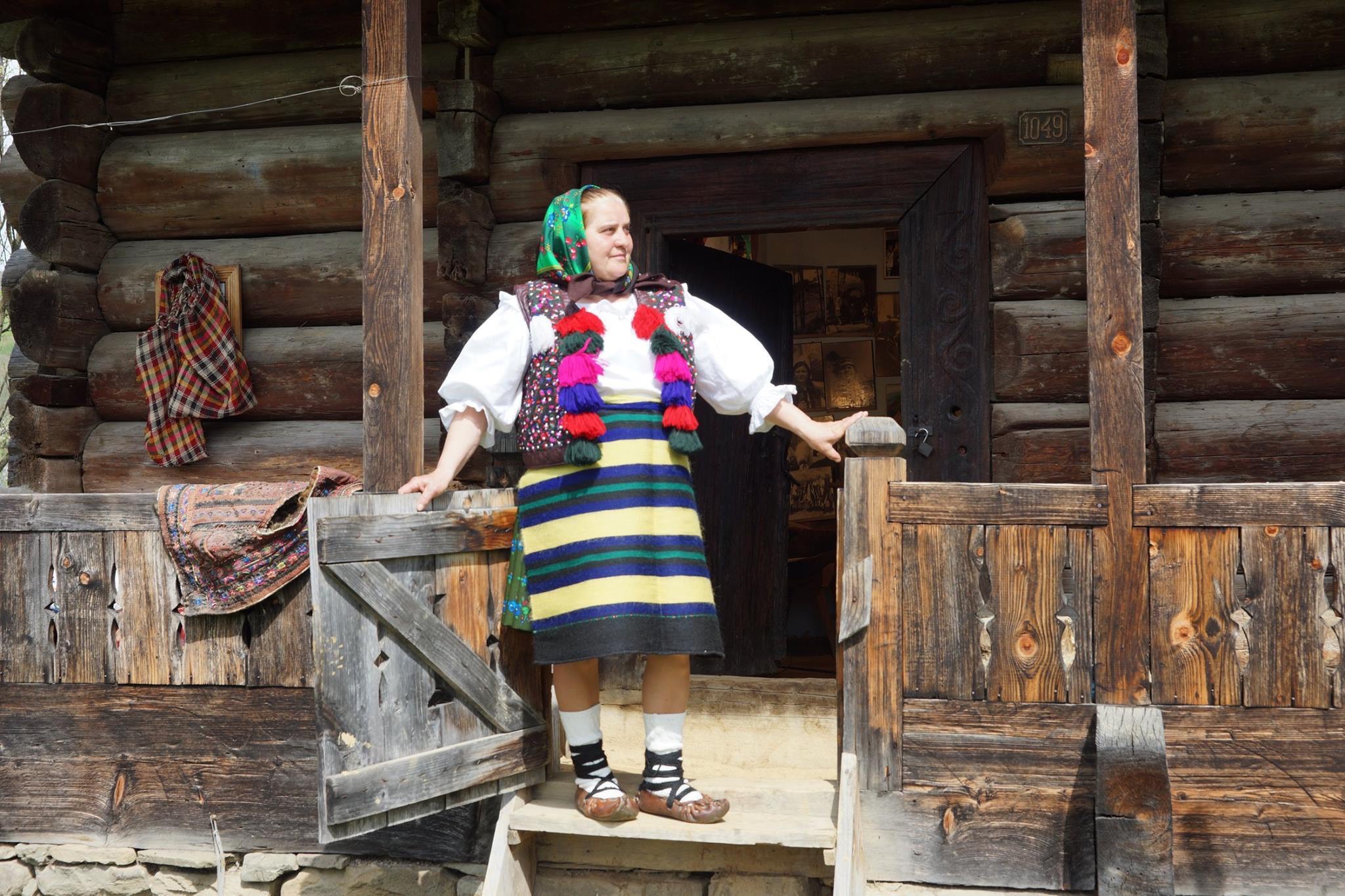
- The Museum of the Romanian Peasant Woman in Dragomirești, in Maramureș
- The ASTRA Ethnographic Museum in Sibiu, to understand Romanian rural culture
Include the Rodna Mountains in your trip
The Rodna Mountains lend themselves particularly well to an itinerary combining Carpathian nature and traditional villages in Maramureș. To build a bespoke itinerary suited to your hiking level and interests, explore our Romania travel suggestions.
Interested in this visit?
We can include it in your personalised itinerary.