The Fortified Church of Hărman
The Fortified Church of Hărman
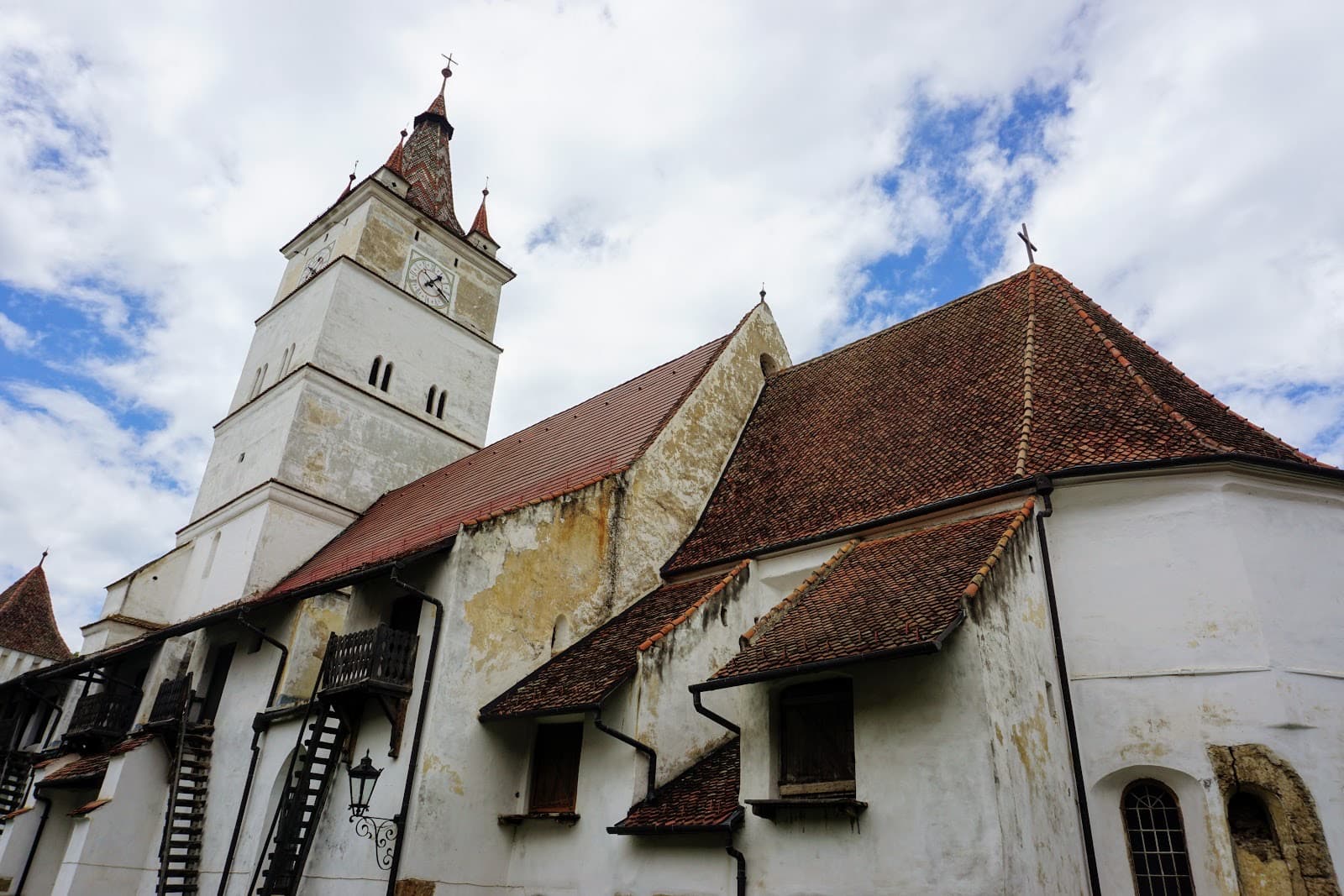
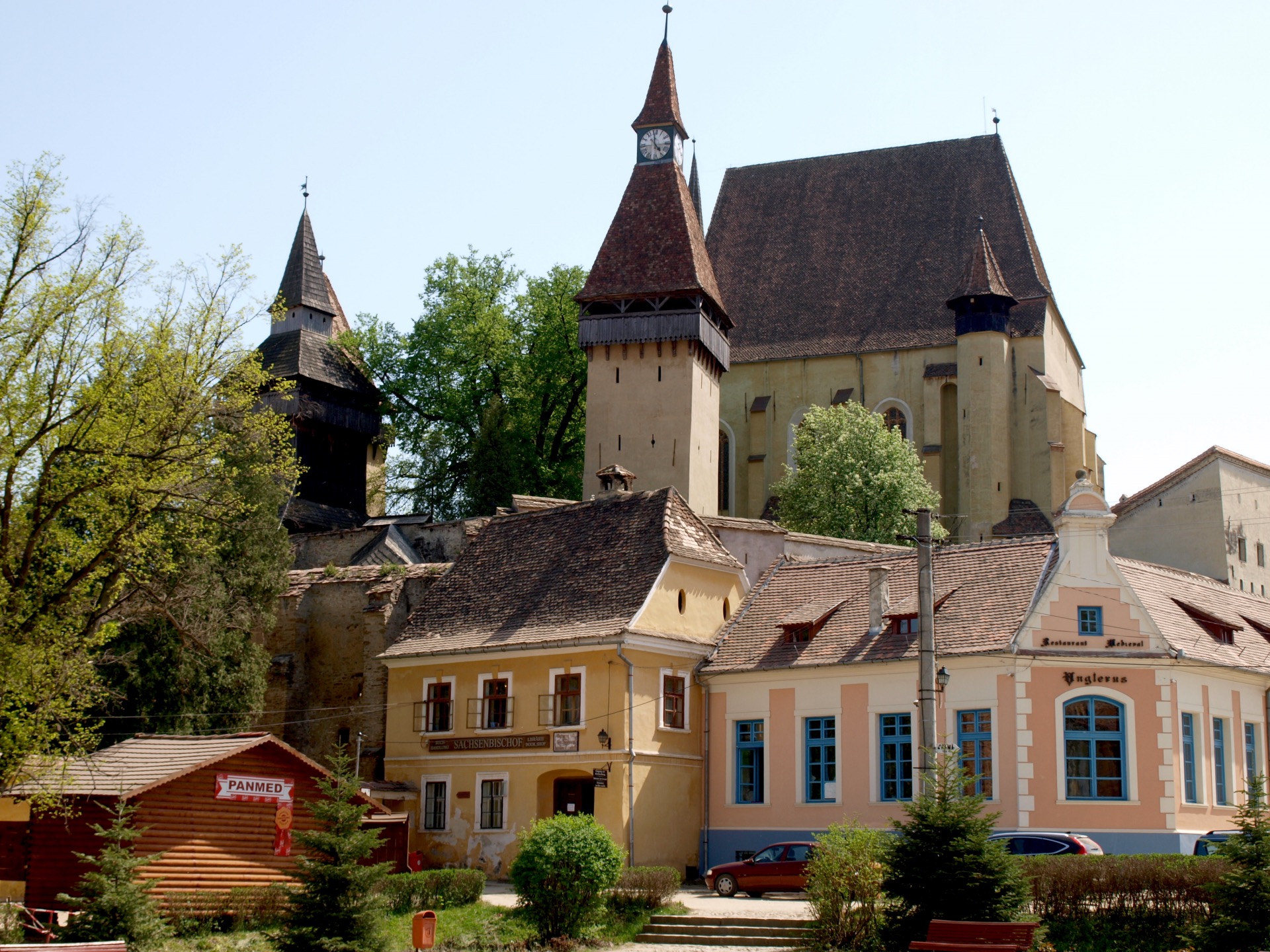
Located 12 km from Brașov, the Saxon fortified church of Hărman preserves a 15th-century triple enclosure and a chapel adorned with medieval frescoes.
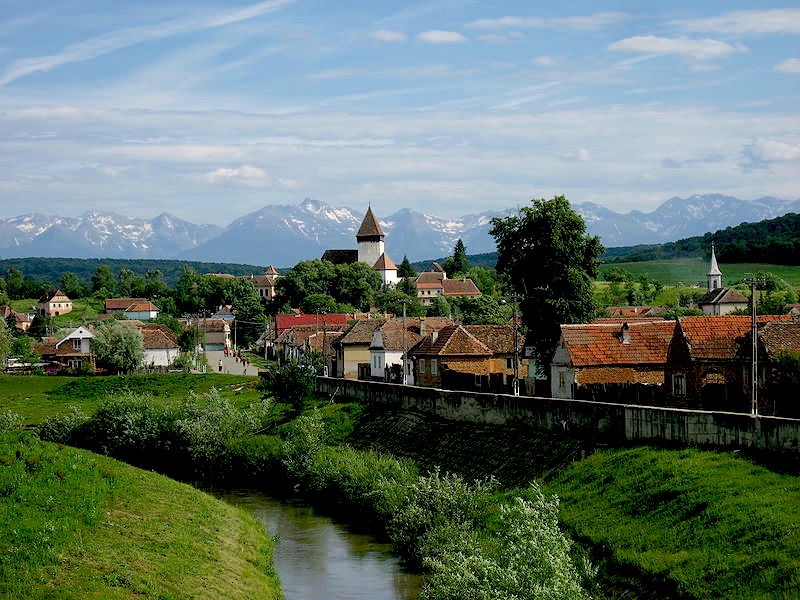
About a dozen kilometers northeast of Brașov, the Saxon village of Hărman is home to one of Transylvania's best-preserved religious fortified complexes. Behind its triple ring of walls, the 13th-century evangelical church stands as a testament to seven centuries of community life in a region where every village understood that defense meant stone.
Why visit Hărman's fortified church
Hărman is part of the network of Saxon fortified churches in southern Transylvania, seven of which are inscribed on the UNESCO World Heritage List. While Hărman is not among those select sites, its concentric enclosure remains one of the most complete in the region, with a rare painted chapel and perfectly legible defensive organization.
- A 15th-century fortification with triple walls, largely still standing
- A side chapel adorned with 15th-century medieval frescoes
- A site less crowded than Prejmer or Viscri, offering a quieter experience
- A short visit, ideal as a complement to a day in Brașov
History of the site
The fortified evangelical church of Hărman was built in the 13th century on the foundation of an earlier Romanesque basilica dating from the 12th century. The village was founded by Saxon settlers invited in the 12th century by the kings of Hungary to populate and defend the southeastern frontier of Transylvania, then exposed to raids from the Carpathians.
During the Middle Ages, Saxon communities developed a distinctive defensive model: lacking enough aristocratic castles, villagers surrounded their churches with ramparts where they could seek refuge during attacks. The fortification enclosing Hărman's church was built in the 15th century, when Ottoman and Tatar threats prompted all Saxon villages to reinforce their defenses.
In peacetime, the enclosure housed cells assigned to each village family for storing grain, lard, and provisions. This dual function—military refuge and collective granary—explains the wall thickness and density of interior fittings still visible today.
What there is to see
The fortified enclosure
The fortification consists of a triple ring of concentric walls, designed to slow any attacker. The outer wall, shorter in height at only 4.5 meters, was meant to protect the base of the enclosure, marking the boundary of the water-filled moat surrounding the fortress. The third ring of walls that once surrounded the moat is no longer preserved, but its outline remains perceptible on the ground.
The inner wall, standing 12 meters high, was equipped with seven towers that provided flanking defense. Each tower bore a name and function—cordwainers' tower, blacksmiths' tower, and so on—reflecting the village's guild-based organization. To the north, where marshland existed, the fortress wall was lower and defense relied more on natural obstacles than on stonework.
The church and painted chapel
The church, built on a basilical plan, preserves Romanesque elements in its oldest sections with later Gothic additions. Inside, the organ, carved pews, and polychrome wooden altar recall the Lutheran tradition adopted by the Saxons in the 16th century.
The highlight of the visit is the small chapel adjoining the inner wall, adorned with 15th-century frescoes depicting the Last Judgment and several scenes from the life of Christ. These paintings, rediscovered in the 20th century after being long whitewashed over, rival in quality those found at neighboring UNESCO sites.
Practical information
- Visit duration: allow 45 minutes to 1 hour for a complete tour of the enclosure, church, and painted chapel
- Admission: modest entrance fee, combined ticket for church and chapel
- Opening hours: generally Tuesday to Saturday, closed Sunday mornings (service). Outside peak season, you may need to request the key from the adjacent rectory
- Recommended period: April to October, to enjoy Transylvania's temperate climate
- What to bring: modest clothing to enter the church, proper footwear for stairs and passageways
How to get there
Hărman is located approximately 12 km northeast of Brașov, which is the most convenient base for a visit.
- By car: from Brașov, approximately 20 minutes via DN11 then DJ112B. Parking available near the church
- By train: Hărman station is served by regional connections from Brașov, taking about twenty minutes, followed by a short walk to the village center
- By bus: regular services connect Brașov to Hărman in approximately 30 minutes
Nearby attractions
The Brașov region concentrates several major sites that naturally complement a visit to Hărman:
- The fortified church of Prejmer, 5 km away, UNESCO-listed
- Brașov's historic center and its Black Church
- Bran Castle, approximately 40 km away
- The fortress of Enisala, further east, to extend your discovery of Romanian defensive heritage
- The ASTRA ethnographic museum in Sibiu, to understand Transylvania's cultural diversity
To integrate Hărman into a broader itinerary through the Carpathians and Saxon villages, consult our journeys in Roumanie.
Nearby
Interested in this visit?
We can include it in your personalised itinerary.