Romulus Vuia Ethnographic Park
Romulus Vuia Ethnographic Park
Romania's first open-air museum, founded in 1929 in Cluj-Napoca, Romulus Vuia Park brings together farms, wooden churches, and peasant workshops from Transylvania.
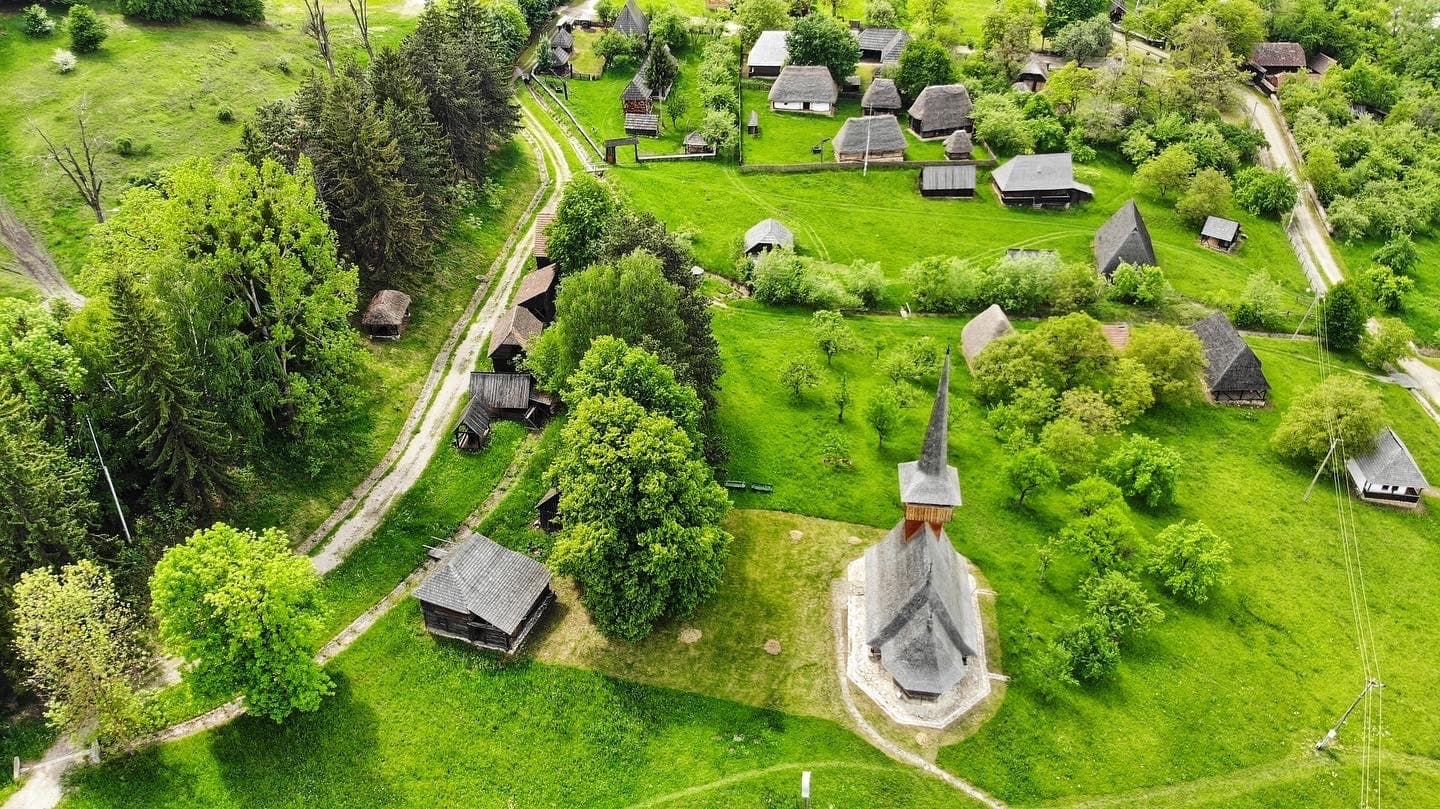
Romulus Vuia Ethnographic Park is Romania's oldest open-air museum. Located on the northwestern edge of Cluj-Napoca, within the Hoia forest, it spans dozens of hectares and houses peasant and religious structures transported from Transylvanian villages. The site offers a tangible overview of Romanian rural architecture from the 17th century to the early 20th century.
Why Visit Cluj-Napoca's Ethnographic Park
The park is a landmark for Transylvanian ethnography. Unlike a traditional museum, you walk freely between peasant homes, granaries, mills, and wooden churches reassembled exactly on their original forest grounds. This open-air setting allows you to grasp the organization of a traditional village: farm placement, separation between living and working spaces, the role of the communal well, and the church's place in the community.
Several compelling reasons to add this site to your Romanian itinerary:
- a thematic approach structured by major ethnographic regions of Transylvania;
- protected wooden churches testifying to rural religious architecture;
- a forest setting that makes wandering enjoyable even during peak season;
- immediate proximity to Cluj-Napoca's center, accessible as a half-day excursion.
Museum History
The museum was founded in 1929 and named after its founder and first director, Professor Romulus Vuia, a leading ethnographer in Roumanie. It stands as the country's first ethnographic open-air museum, predating major equivalent sites in Bucharest and Sibiu.
The project pursued a dual purpose: safeguarding peasant heritage threatened by rural modernization and providing an educational resource for comparative study of Transylvanian rural civilizations. The first structures were dismantled from villages, transported, and reassembled identically on the Hoia forest site. The collection grew in stages throughout the 20th century, incorporating farms, workshops, technical installations, and religious buildings.
What to See on Site
The layout follows a clear ethnographic principle: structures are grouped by geographical house types, allowing comparison of architectural solutions across regions. This is complemented by traditional architecture monuments, traditional installations, and craft workshops, along with wells, doors, and interior textiles.
Peasant Houses
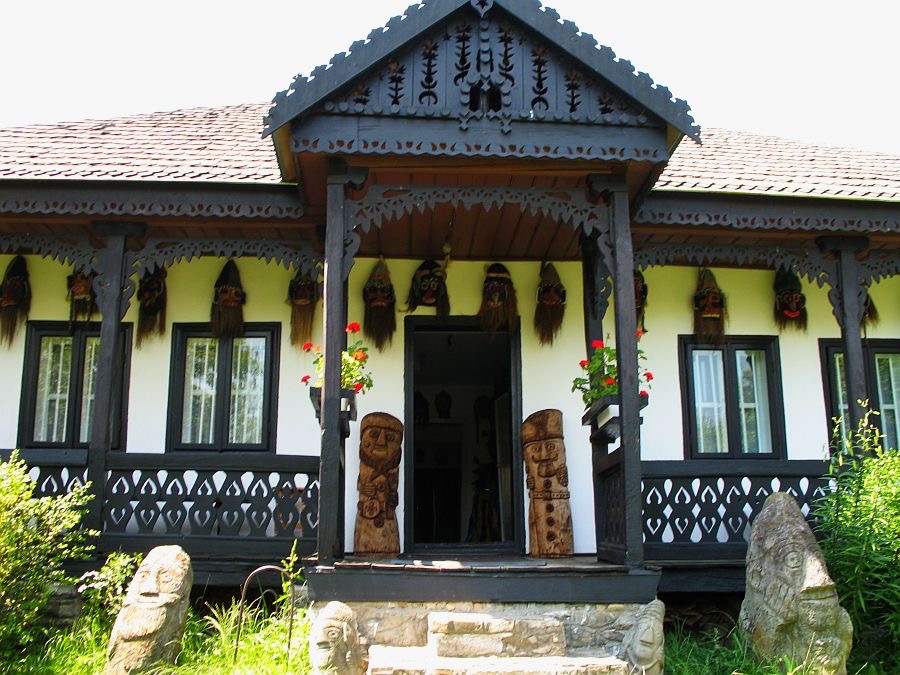
Dozens of farms showcase regional variations: homes from Maramureș, the Land of the Moți, the Transylvanian plateau, or the Năsăud region. Differences appear in roof slopes, gallery treatment, use of wood or stone, and room layout.
Wooden Churches
The park houses several wooden churches with their characteristic tall spires typical of Northern Transylvania. These buildings, often from small villages, illustrate peasant carpenters' artistry and local iconographic traditions.
Workshops, Technical Installations, and Objects
You'll encounter potters' workshops, blacksmiths, weavers, and hydraulic installations (mills, fulling mills, sawmills) that reflect villages' technical self-sufficiency. Interior exhibitions highlight carved doors, covered wells, and interior textiles, central elements of peasant material culture.
Practical Information
The park is open year-round, with extended hours in summer and reduced access in winter. Admission remains modest, and a combined ticket is available with the pavilion section of the Transylvania Ethnographic Museum in downtown Cluj. Allow 2 to 3 hours to explore the entire site without rushing.
- Walking shoes recommended: paths are dirt and terrain is undulating.
- Bring water and a snack; on-site dining options are limited.
- Explanations are primarily in Romanian; a multilingual map is typically available at the entrance.
When to Visit
The most favorable period runs from late April through mid-October, when forest canopy is full and all buildings are accessible. Spring and early autumn offer ideal conditions: mild temperatures, bright light, moderate crowds. Check the calendar for ethnographic festivals held certain weekends, featuring artisans, musicians, and traditional dancing.
How to Get There
The park lies northwest of Cluj-Napoca within the Hoia forest, about 15 minutes by car from downtown. Several options:
- By car: free parking is available at the site entrance.
- By public transport: bus lines serve the Grigorescu neighborhood, from which it's a 15–20 minute walk to the entrance.
- By taxi or ride-sharing: simple and affordable from downtown.
Nearby Attractions
To extend your exploration of Romanian heritage, several sites complement this visit well:
- the ASTRA Ethnographic Museum in Sibiu, the country's largest open-air museum;
- the Romanian Peasant Woman Museum in Dragomirești, in Maramureș;
- the wooden churches of Ieud, remarkable examples of rural religious architecture;
- the Creasta Cocoșului geological reserve, for volcanic landscape enthusiasts.
Planning Your Roumanie Trip
Romulus Vuia Ethnographic Park fits naturally into a circuit combining Cluj-Napoca, Maramureș, and Transylvania. To craft a coherent itinerary centered on Romanian rural heritage, consult our Roumanie travel suggestions.
Interested in this visit?
We can include it in your personalised itinerary.