The Creasta Cocoșului Geological Reserve
The Creasta Cocoșului Geological Reserve
A remnant of an ancient volcanic crater in the Gutâi massif, Creasta Cocoșului is a protected geological reserve in Maramureș, Roumanie.
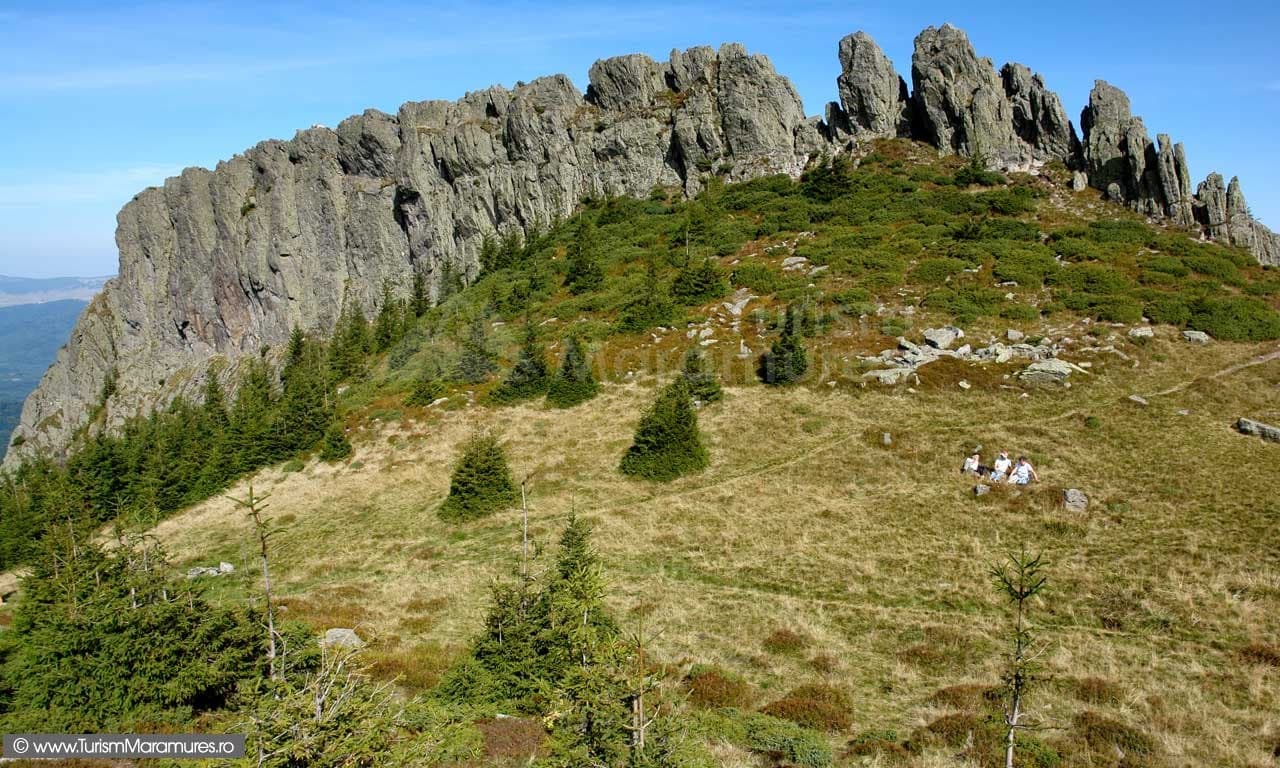
In northern Roumanie, within the Gutâi massif in Maramureș, Creasta Cocoșului — literally "the Rooster's Crest" — rises with its jagged silhouette above the forests. This spectacular rock formation, a remnant of an ancient volcano, ranks among the country's most recognizable geological sites and serves as a prized hiking destination in this region still preserved from mass tourism.
Why visit Creasta Cocoșului
Creasta Cocoșului was declared a protected area in 1954 and falls within the third category of Romanian protected areas, that of natural monuments. This status aims to preserve natural elements of particular ecological, scientific and landscape value.
The site's appeal stems from several factors:
- Rare geology: the ridge is what remains of a volcanic crater eroded over millions of years, offering geologists and curious visitors alike a spectacular cross-section of an ancient volcanic structure.
- A sweeping panorama over the Gutâi massif, traditional Maramureș villages and, on clear days, all the way to the Ukrainian Carpathians.
- An accessible but challenging hike along its summit ridge, requiring some experience due to the rocky arête.
- An immersion in Maramureș, a region renowned for its UNESCO-listed wooden churches and preserved rural lifestyle.
What to see on site
The volcanic ridge
The centerpiece is of course the ridge itself: a crenellated rocky arête approximately 200 meters long, oriented north-west to south-east in an almost vertical direction. Located at an average altitude of 1,200 meters, it represents the resistant part of an ancient crater, exposed by erosion that has swept away softer materials.
Its jagged silhouette, which indeed resembles a rooster's crest, changes appearance depending on the angle of approach and lighting. At sunrise or late afternoon, the contrasts accentuate the relief of the rocky teeth.
Protected flora and fauna
The protected perimeter is home to altitude-typical vegetation of the eastern Carpathians, including several rare plants that justify the reserve's status. The beech and spruce forest encircling the ridge harbors discreet wildlife: deer, roe deer, and more rarely brown bears or lynx, of which the region remains one of Europe's last refuges.
Surrounding landscapes
From the ridge, the view encompasses Gutâi Pass, villages with wooden houses, pastures and strings of volcanic hills that characterize Maramureș. The contrast between the mineral savagery of the summit and the gentleness of inhabited valleys below is one of the site's visual signatures.
When to visit
The best period runs from late May to early October. Outside this window, the ridge can be snow-covered, icy or shrouded in fog, making ascent dangerous.
- June – July: alpine meadow blooms, long days.
- August – September: more stable weather, ideal for hiking.
- October: autumn colors on beech forests, but shorter days.
Avoid thunderstorm days: the exposed ridge is not conducive to electrical conditions.
How to get there
The usual starting point is Gutâi Pass (Pasul Gutâi), located on the DN18 road between the towns of Baia Mare and Sighetu Marmației. From the pass, a marked trail leads to the ridge in two to three hours of climbing depending on pace.
- From Baia Mare: approximately 30 km via DN18, expect less than an hour's drive.
- From Sighetu Marmației: approximately 50 km via the same road.
- By public transport: buses available between Baia Mare and Sighet, but pass stops are irregular; a personal vehicle remains more practical.
Practical advice
- Difficulty level: moderate-difficulty hike, but traversing the summit arête requires comfort navigating rocky terrain. Not suitable for those with vertigo.
- Equipment: sturdy hiking boots, windbreaker, water and snacks; mountain weather changes quickly.
- Total duration: plan for a half-day to a full day round trip from the pass.
- Access: free, no ticket required, as the site is an open protected area.
- Site respect: stay on marked trails, do not pick protected flora, take your rubbish with you.
What to see nearby
Maramureș and neighboring Transylvania offer many ways to extend your stay:
- The wooden churches of Maramureș, several UNESCO-listed, in surrounding villages.
- The Merry Cemetery of Săpânța, famous for its blue-painted crosses.
- Further south, in Transylvania, Corvins Castle in Hunedoara and the Salina Turda salt mine.
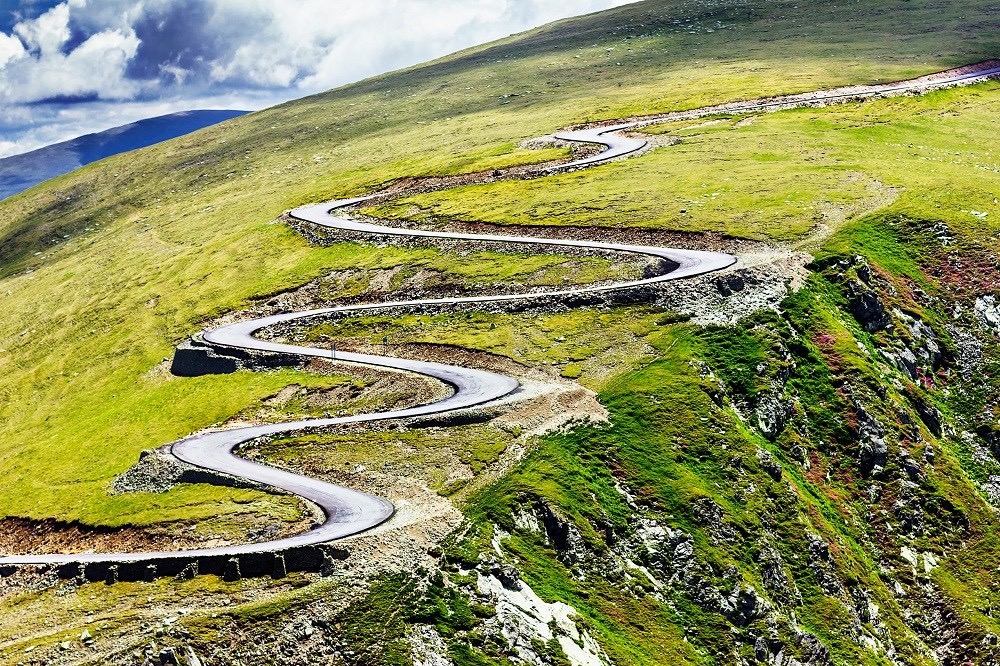
- For scenic road enthusiasts, the Transfăgărășan road crosses the southern Carpathians.
- The ASTRA Ethnographic Museum in Sibiu furthers discovery of Romanian rural culture.
Plan your trip
Creasta Cocoșului fits within a broader itinerary through the landscapes and traditions of northern Roumanie. To build a tailor-made journey including Maramureș, its volcanic ridges and listed villages, consult our trips to Roumanie.
Interested in this visit?
We can include it in your personalised itinerary.