Bran Castle
Bran Castle
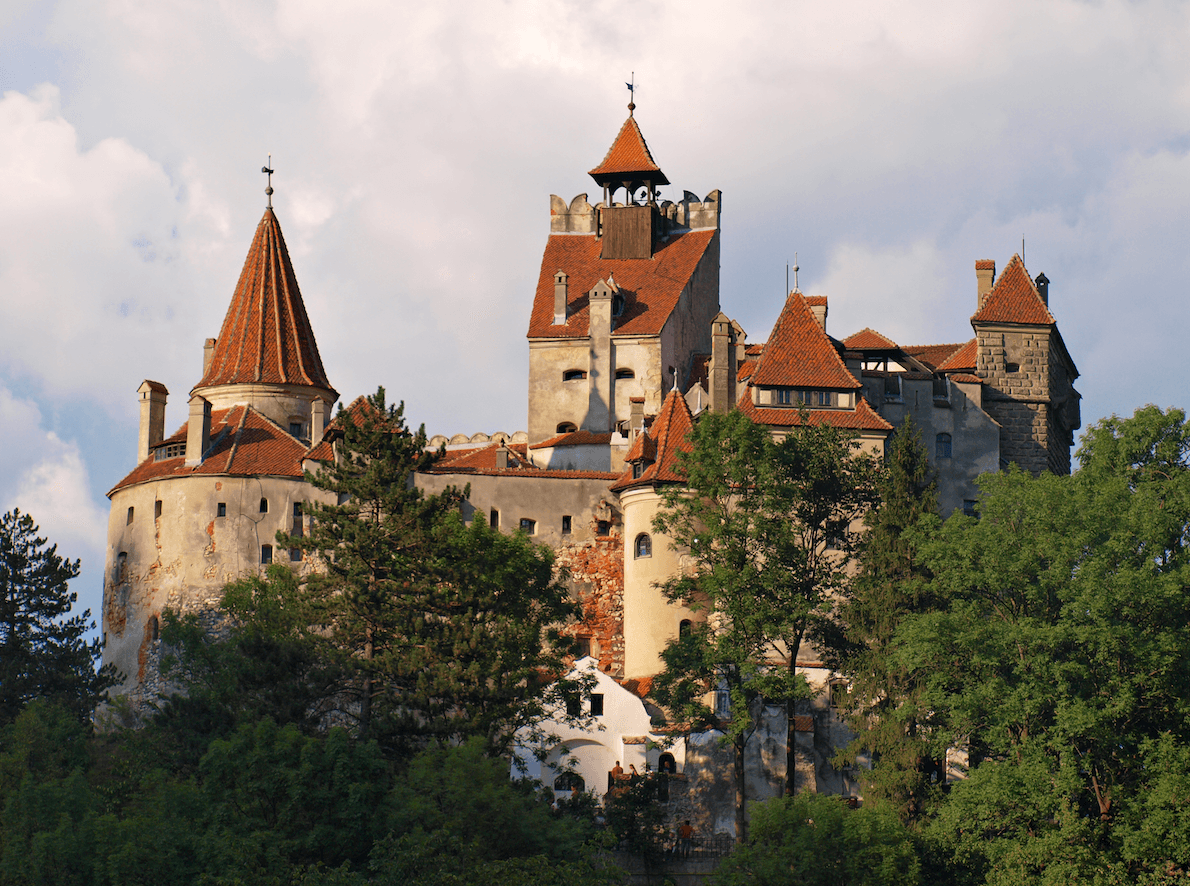
A 14th-century medieval fortress turned royal residence, Bran Castle overlooks the Transylvanian valley and feeds into the legend of Dracula.
Perched on a rocky outcrop some thirty kilometers south of Brasov, Bran Castle dominates the former trade route between Transylvania and Wallachia. A medieval fortress that became a royal residence and later a museum, it owes its international renown today to its—largely romanticized—association with the Dracula myth.
Why visit Bran Castle
- A spectacular medieval silhouette, rising dramatically on the cliff face above the valley.
- Interior rooms that chronicle the life of Queen Marie of Romania, who made it her summer residence in the 1920s.
- A valuable perspective on the literary myth of Dracula versus the historical figure of Vlad III the Impaler.
- A small museum of feudal art at the castle's base, rich in period objects, furnishings, and paintings.
- An easily combined stop with Brasov, the Râșnov peasant fortress, or Peles Castle.
Castle history
A medieval customs fortress
The present castle was built by the municipality of Brasov between 1377 and 1382, with the consent of Hungarian King Louis I, to replace an earlier 13th-century wooden fortification. Its primary function was not defensive but customs-related: to control the Bran Pass, one of the main trade routes between Saxon Transylvania and the Principality of Wallachia. Its irregular shape reflects the terrain's nature and the materials used—river stone, wood, and brick—arranged as closely as possible to the landscape.
A gift to Queen Marie
Following the Great Union of 1918, which united Transylvania with the Kingdom of Romania, the Brasov Council offered the castle to Queen Marie of Romania in gratitude for her diplomatic role in the Union. The sovereign transformed its interior into a more comfortable and luminous summer residence while preserving the medieval character of the exterior. The rooms visited today—furnishings, portraits, personal objects—largely reflect her taste and presence.
Vlad the Impaler, Dracula, and the myth
The castle owes its worldwide fame to Bram Stoker's novel Dracula (1897), whose description of the Count's lair vaguely evokes the location. The historical link with Vlad III the Impaler, voivode of Wallachia in the 15th century, remains tenuous at best: he never lived at Bran and, at most, may have stayed briefly and occasionally. The castle is therefore more a setting associated with Dracula than a site directly tied to the Wallachian prince's actual biography.
What to see on site
The royal interiors
The visit unfolds around a spiral staircase and a succession of small rooms arranged by Queen Marie: bedrooms, library, music room, oratory. Carved wooden furnishings, tapestries, and portraits of the royal family remind us that Bran was, for two decades, a living space as much as a monument.
The inner courtyard and well
The narrow courtyard, dominated by towers and wooden galleries, houses a deep well surrounded by local legends—including the unverifiable tale of a secret passage connecting the floors. It's one of the most photographed spots on the grounds.
The feudal art museum
At the castle's base in the valley, a small feudal art museum presents objects, weapons, and paintings depicting the castle's history and the figure of Voivode Vlad the Impaler. This section is invaluable for distinguishing the historical reality of the character from the literary fiction that made him famous.
The panorama
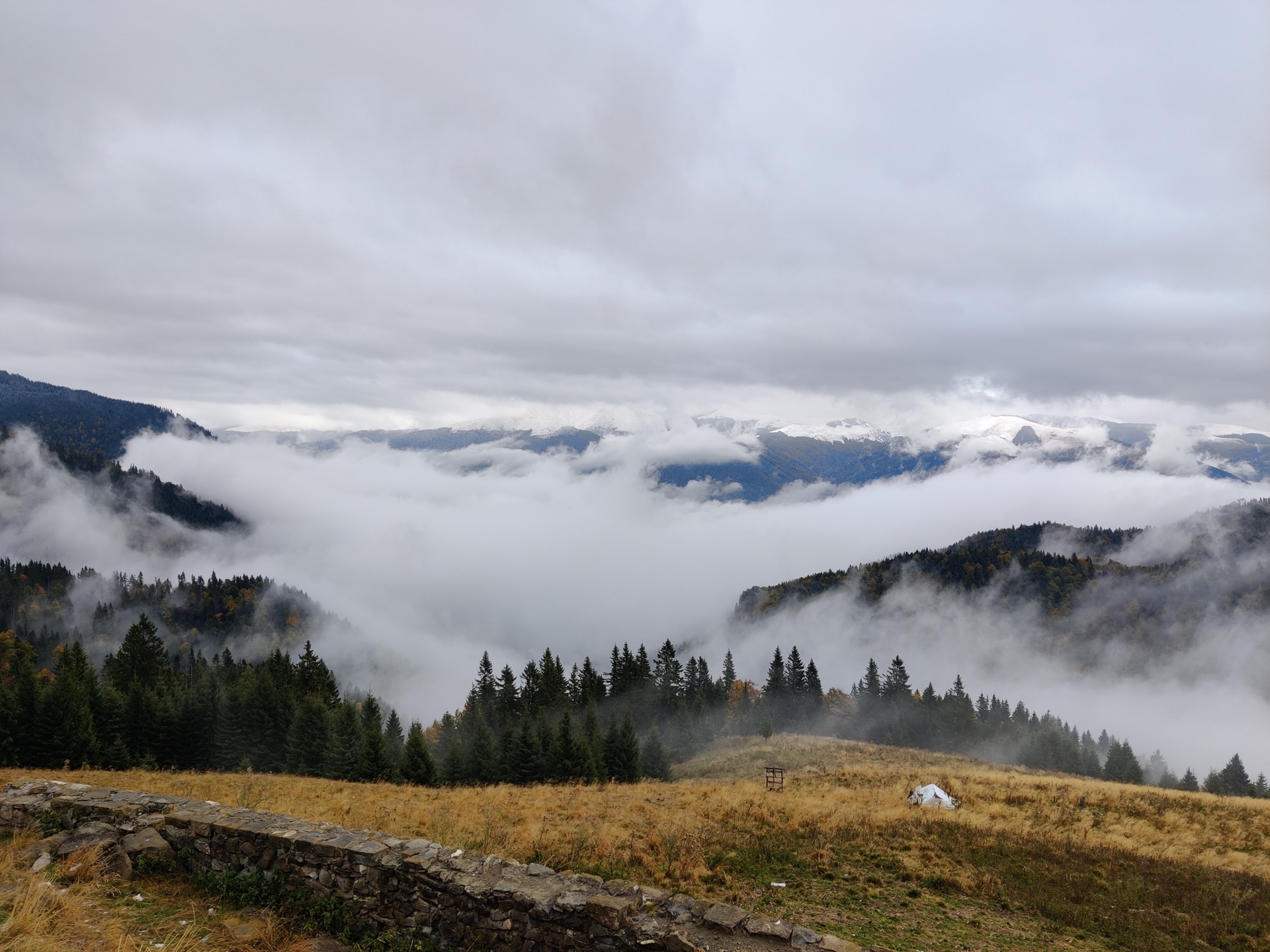
From the upper terraces, views sweep across the surrounding valley and the first ridges of the Carpathians. This landscape, as much as the architecture, explains Bran's enduring fascination.
Practical information
- Visit duration: allow 1.5 to 2.5 hours, including the feudal art museum and the village at the castle's base.
- Ticketing: moderate pricing with reductions for students and seniors. Online ticketing helps avoid queues in peak season.
- Hours: open year-round with extended hours in summer and reduced hours in winter. Check the official website the day before.
- Accessibility: narrow and numerous staircases, uneven floors—visiting remains difficult for those with reduced mobility.
- Crowds: weekday mornings recommended; weekends and late afternoons are significantly busier.
When to visit
May, June, and September offer the best balance of pleasant Carpathian weather and reasonable crowds. July and August concentrate Romanian families on vacation and tour groups. In winter, snow lends the castle a very photogenic appearance, but some outdoor areas may be slippery.
A special mention for late October: around Halloween, themed evening events are held on-site, with significant attendance and advance reservation required.
How to get there
From Brasov
Bran is about 30 km south-west of Brasov. Regular buses depart from Autogara 2 bus station and reach the village in 45 minutes to 1 hour. By car, expect about 45 minutes via the DN73.
From Bucharest
Count on 2.5 to 3 hours by car via Brasov, or a full day by train plus bus via Brasov. Numerous operators offer day excursions combining Bran, Râșnov, and Peles.
Nearby combinations
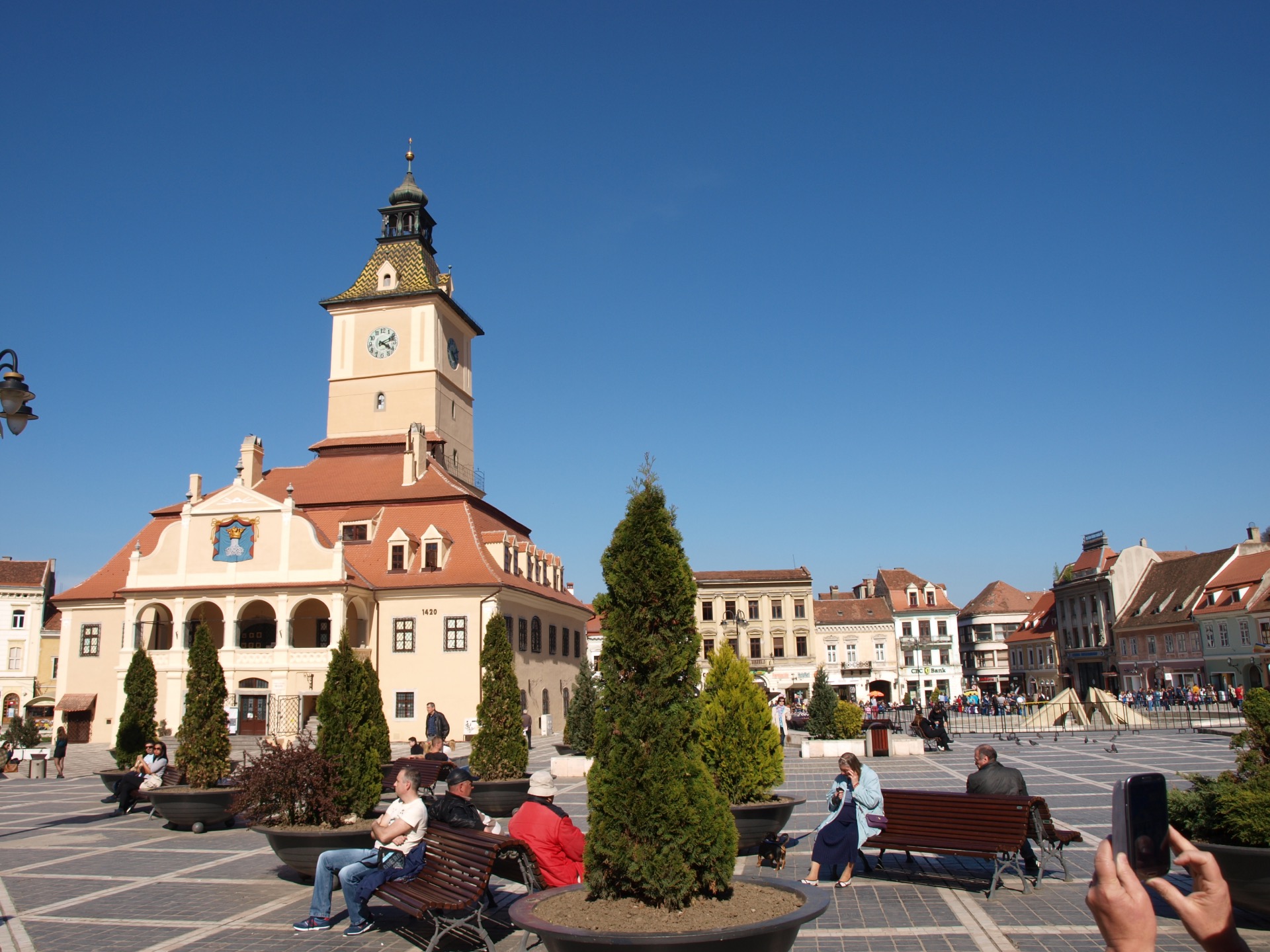
- Brasov: medieval Saxon town, an hour's drive away, perfect for an overnight or two.
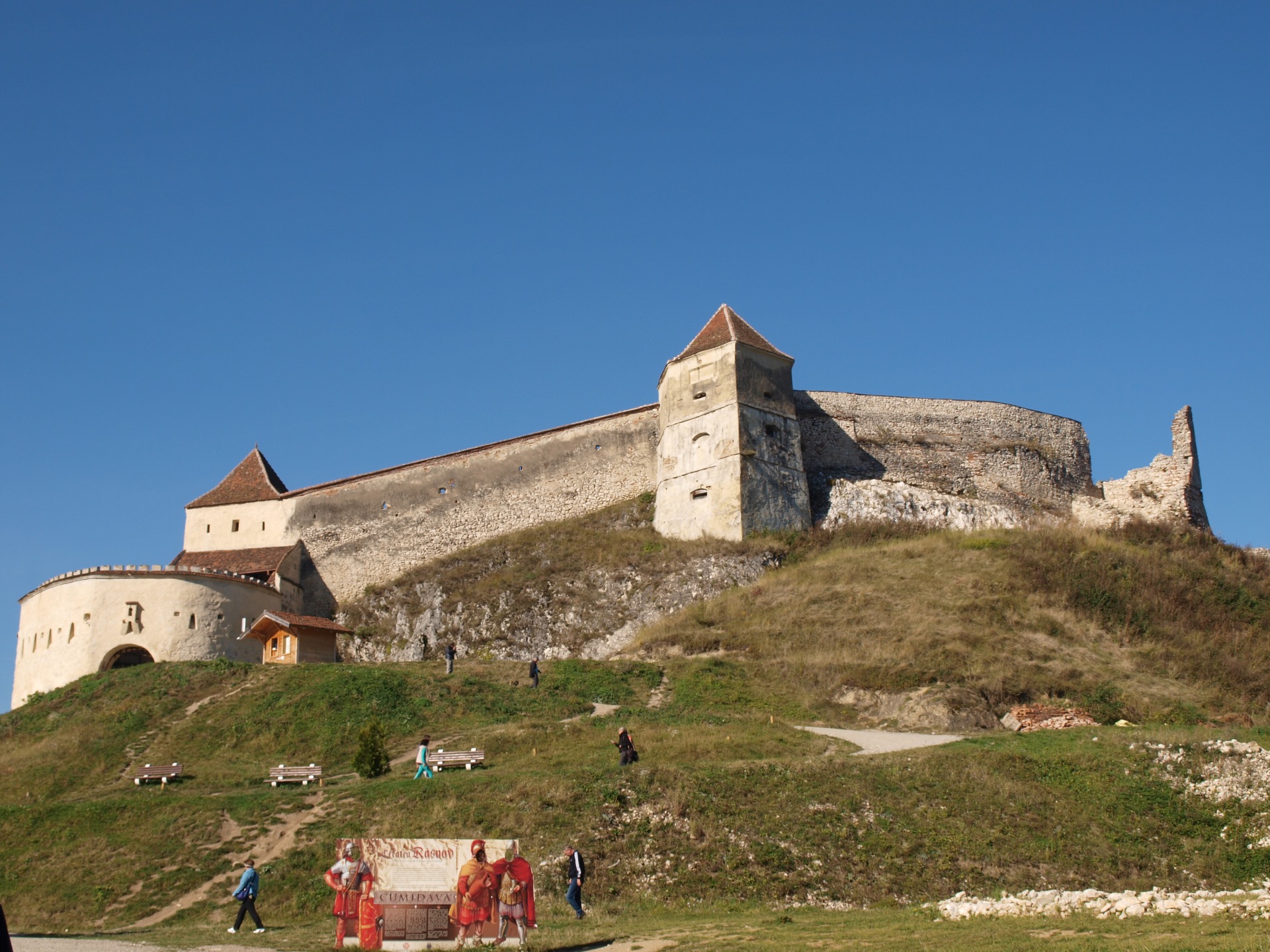
- Râșnov Fortress: 15 km away, a peasant citadel perched atop a hill, complementing Bran beautifully.
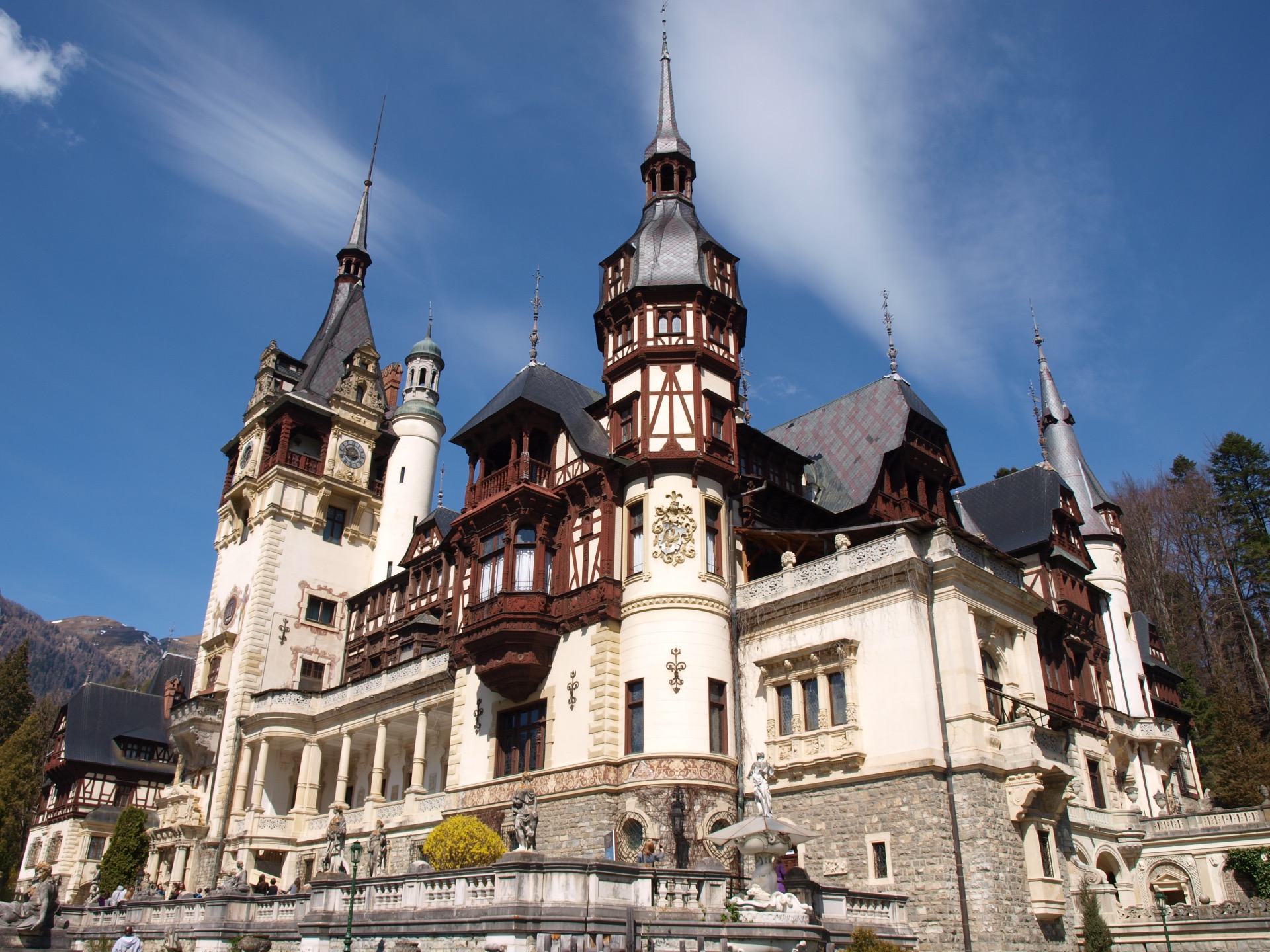
- Peles Castle: Neo-Renaissance royal residence in Sinaia, another major Carpathian highlight.
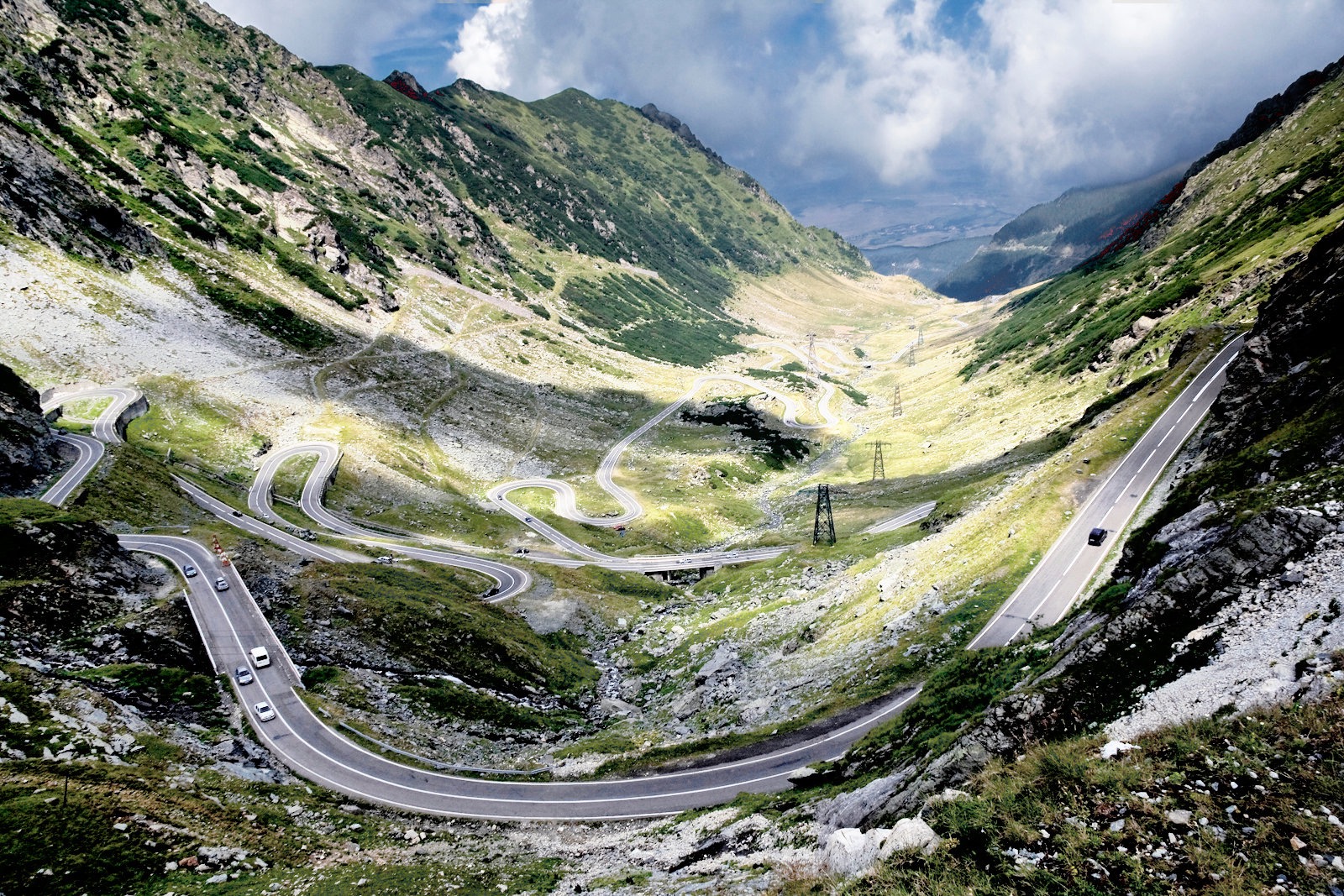
- The Transfăgărășan Road, accessible in summer, to extend your Carpathian experience.
- Corvin Castle, another Romanian medieval fortress, in the Hunedoara region.
Frequently asked questions
Frequently asked questions
No, or only marginally. No historical source confirms a sustained stay. The link between Bran and Dracula is primarily literary, popularized by Bram Stoker's novel in the late 19th century.
Between 1.5 and 2.5 hours depending on your pace, including the interiors, courtyard, feudal art museum, and shops at the castle's base.
Recommended in July-August, weekends, and around Halloween. Online ticketing saves significant time at the gate.
With difficulty. Spiral staircases, uneven floors, and narrow passages make interior visiting poorly suited for wheelchair users. The village and museum at the base remain accessible.
Yes, this is a classic combination from Brasov or Bucharest, often paired with Râșnov Fortress. Plan for a full day.
Include Bran in your journey
Bran Castle fits naturally into a Transylvania itinerary, between Brasov, fortified Saxon villages, and the southern Carpathians. To build a custom-tailored route, consult our Romania trips.
Interested in this visit?
We can include it in your personalised itinerary.