Viscri
Viscri
An isolated Saxon village in Transylvania and UNESCO World Heritage site, Viscri is renowned for its fortified Romanesque church and the residence owned by King Charles III.
Viscri, known in German as Deutschweisskirch ("German white church"), is an isolated Saxon village in southern Transylvania, celebrated for its fortified church of Romanesque origin and its well-preserved rural character. Inscribed on the UNESCO World Heritage list since 1999 as part of the Saxon villages with fortified churches of Transylvania, it is also known for the residence owned by King Charles III.
Why visit Viscri
- A UNESCO-listed Saxon fortified church in remarkable condition
- A rural village frozen in time, with colorful houses featuring decorative gables and horse-drawn carts
- The living heritage of Transylvania's Saxon community, presented in a small local museum
- The heritage interest shown by King Charles III, who has contributed to the village's prominence and restoration
- An ideal base for exploring rural Transylvania between Sighișoara, Brașov, and Sibiu
History and Saxon context
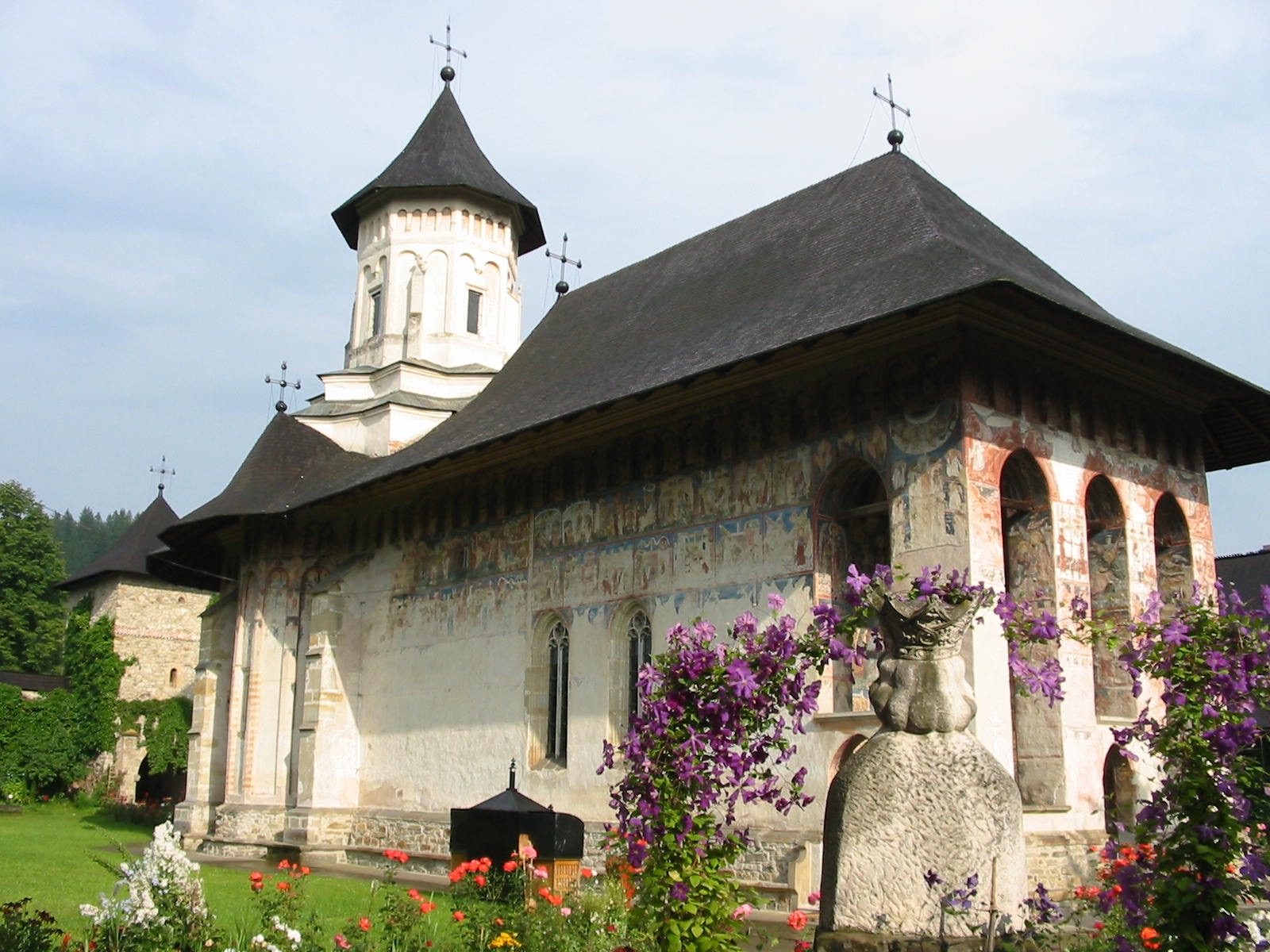
Viscri was founded in the 12th century by Saxon colonists, German-speaking populations invited by Hungarian kings to develop the frontier lands of Transylvania. The church's core dates back to this Romanesque period, as evidenced by certain original architectural elements, but the building was modified and fortified from the 14th century onwards, then reinforced in the 15th and 16th centuries in response to Ottoman threats.
The square-plan enclosure, flanked by defensive towers, transformed the church into a collective refuge for the village population in case of attack. This typology is common to the seven Saxon villages listed by UNESCO (the list, established in 1993 and extended in 1999, includes Biertan, Câlnic, Dârjiu, Prejmer, Saschiz, Valea Viilor, and Viscri).
The Saxon community of Viscri, like elsewhere in Transylvania, largely emptied after 1989 with emigration to Germany. The village experienced a revival from the 2000s onwards, driven by restoration projects with which Charles, then Prince of Wales and now King Charles III, became involved by purchasing a traditional residence that he maintains according to local methods.
What to see
The fortified church
At the heart of the site, the church retains a Romanesque structure modified over the centuries. The visit allows access to the enclosure, the defensive towers, the wooden rampart walk, and storage spaces where villagers once kept lard and grain in case of siege. The bell tower offers views over the village rooftops and surrounding countryside.
The ethnographic museum
Arranged within the enclosure, this small museum houses everyday Saxon objects: agricultural tools, textiles, furniture, traditional costumes. Explanatory panels, available in several languages including English, present the daily life, religious celebrations, and customs of this Germanic community.
The village and its workshops
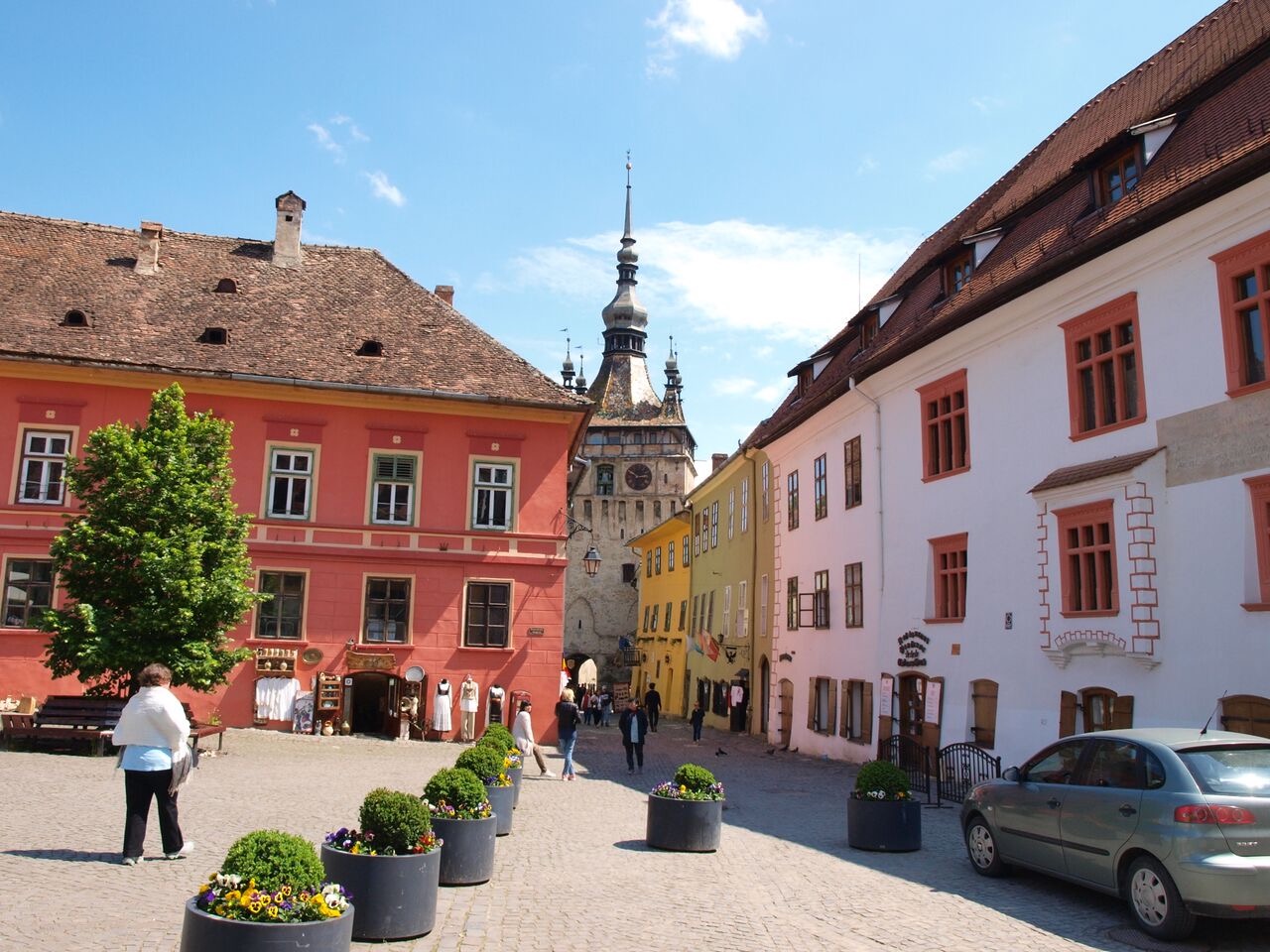
The main street is lined with houses featuring pastel facades adorned with moldings, typical of rural Saxon architecture. Several workshops offer felt, traditional bricks, and farm products. The house purchased by Charles III can be glimpsed from the street; certain sections serve as lodging and educational space on sustainable practices.
Practical information
- Duration of visit: allow 1 to 2 hours for the church, museum, and a walk through the village; a half-day if you dine here or hike in the surrounding area.
- Admission: modest entry fee for the fortified church and museum, combined ticket available.
- Hours: daytime opening, generally more restricted outside peak season; it is advisable to check with the caretaker or local office.
- Accessibility: the alleys and climb to the enclosure are sloped and paved; wear suitable footwear.
- Accommodation: several restored Saxon houses offer guest rooms within the village.
When to visit
The most pleasant period extends from May to October, when country roads are passable and light enhances the colorful facades. Spring offers flowering meadows around the village, ideal for hiking. Summer remains mild on the Transylvanian plateau. Autumn, with its colors, attracts photographers. In winter, certain tourist services operate at reduced capacity, but the village takes on a peaceful character under snow.
How to get there
Viscri is located away from major routes, approximately one hour's drive northeast of Sighișoara and one hour west of Brașov. Access is via a secondary road, partly unpaved, from Buneşti on the DN13 (E60). Personal or rental vehicle remains the most practical means of transport; public transport is scarce. Several local agencies offer Viscri as a day excursion from Brașov or Sighișoara, often combined with other Saxon villages.
Nearby attractions
- Biertan, another UNESCO-listed Saxon village, is home to one of Transylvania's most impressive fortified churches.
- Sarmizegetusa Regia, the ancient Dacian capital inscribed on the UNESCO list, complements an exploration of Romanian ancient and medieval heritage.
- Salina Turda, a salt mine converted into a spectacular underground site, deserves a detour if your itinerary passes through Cluj.
- Histria, a Greek city on the Black Sea coast, offers a contrast with inland Transylvania.
Include Viscri in your journey
Viscri naturally fits into a rural Transylvania circuit, among Saxon villages, medieval strongholds, and monasteries. To build an itinerary combining UNESCO heritage, hiking, and local encounters, consult our suggestions for travel to Roumanie.
Interested in this visit?
We can include it in your personalised itinerary.