Rasnov Citadel
Rasnov Citadel
Perched on a rocky outcrop above the small town of Rasnov, this Transylvanian peasant citadel once served as a collective refuge for villagers during invasions.
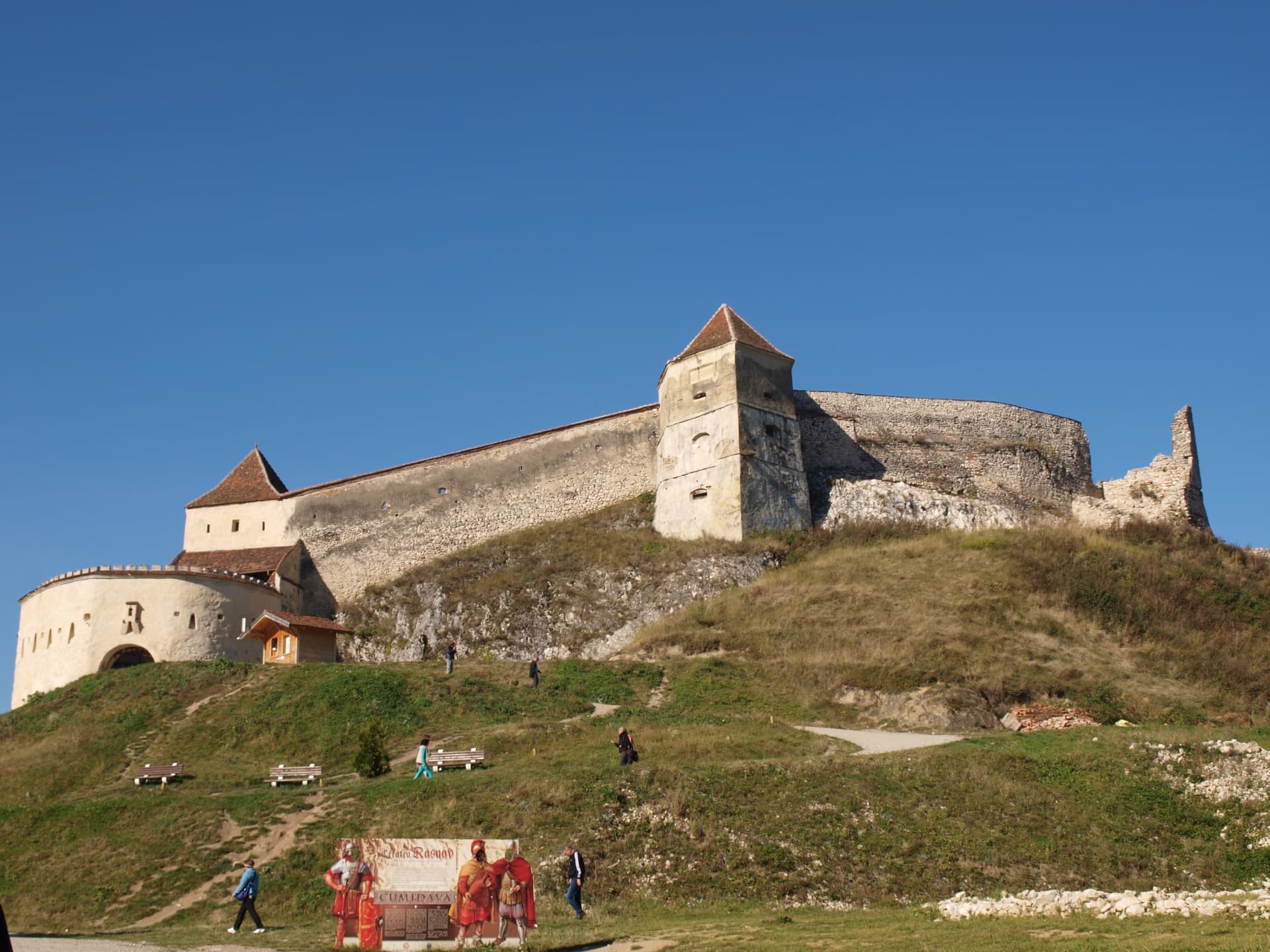
Rasnov Citadel stands on a rocky outcrop that overlooks the small town of Rasnov, roughly twenty kilometers southwest of Brasov, in southeastern Transylvania. Built by local Saxon and Romanian communities to withstand invasions, this peasant citadel bears little resemblance to feudal strongholds: it is a genuine fortified village, complete with narrow lanes, a chapel, and a school, where the population would take refuge in times of danger. Its silhouette, recognizable from afar thanks to the large white letters "RÂȘNOV" planted on the hillside in the style of the Hollywood sign, makes it one of the most visited sites in the Bârsa region.
Why visit Rasnov Citadel
- A rare example of a well-preserved peasant citadel ("Bauernburg"), organized like a miniature village.
- An unobstructed panorama over the Brasov depression, the foothills of the Carpathians, and the Bucegi massif.
- A logical stopover between Brasov and Bran Castle, easily combined into a single day's itinerary.
- A family-friendly site that is quieter and less crowded than Bran at certain times.
A peasant citadel born of invasions
The citadel's origins date back to the 13th century, in the context of the Saxon colonization of Transylvania organized by the Kings of Hungary. According to local tradition, the site was developed following the great Mongol invasions of 1241–1242, which devastated the region. However, most of the structures visible today date from reconstructions and expansions carried out between the 14th and 17th centuries.
Positioned on a rocky spur dominating the valley by roughly 150 meters, the fortress controlled one of the strategic passages between Wallachia, south of the Carpathians, and Transylvania. It served both as a watchtower and as a collective shelter: at the first sign of danger, inhabitants of the Saxon and Romanian villages of Rasnov would climb up to take refuge with their possessions, supplies, and sometimes their livestock.
Unlike many medieval strongholds in the region, the citadel was captured only once, in 1612, by the Transylvanian prince Gabriel Báthory, after the besiegers had cut off access to water. This episode left a lasting imprint on the site's memory: it was following this siege that the famous well, in the heart of the inner courtyard, is said to have been dug.
What to see
The fortified village
The interior of the enclosure is organized like a small township. The citadel once contained roughly thirty peasant houses, a chapel, a school, and various communal buildings. Each village family had its own home within the walls, where it would store provisions and retreat during wartime. Today you can wander through these narrow lanes bordered by restored cottages, some of which house craft shops and small exhibitions.
The citadel's well
At the center of the enclosure lies a deep well, allegedly dug by Turkish prisoners according to legend. Its actual depth (around 140 meters according to sources) made it a vital asset for withstanding sieges. A plaque and reconstructed mechanism help explain how it functioned.
The chapel and museum
The small chapel, modest yet moving, bears witness to the shared religious life within the walls. A museum housed in several rooms displays weapons, tools, domestic objects, and panels recounting the history of Transylvania's peasant citadels.
The ramparts and panorama
Following the ramparts, you discover the triple line of walls and corner towers. The view extends over the red-tiled roofs of Rasnov, the agricultural plain of the Bârsa, and on clear days, to the peaks of Bucegi and Piatra Craiului.
Practical information
- Duration of visit: allow 1 to 2 hours to walk through the lanes, museum, and ramparts.
- Admission: reasonably priced entry, combination tickets available with other attractions in town.
- Access to the summit: on foot via a paved uphill path (15–20 minutes), by a small tourist train from the base, or by an inclined funicular.
- Comfort: closed-toe shoes recommended; uneven paving within the enclosure.
When to visit
The citadel can be visited year-round, but May through October offer the best conditions, with lush vegetation on the hill and long daylight hours. Summer (July–August) is high season: prefer an early morning or late afternoon visit to avoid crowds, especially on weekends. The shoulder season, from September to early October, combines golden light with moderate crowds. In winter, snow may make the climb slippery, but the snow-covered landscape against the Carpathian backdrop is well worth the effort.
How to get there
Rasnov lies roughly 15 km southwest of Brasov, on the road leading to Bran. From Brasov, allow 25 to 35 minutes by car via the DN73. Regional buses also connect the two towns several times daily, with a stop at the foot of the hill. Many visitors combine Rasnov with Bran Castle on a single day trip. A large car park is provided at the base of the site, near the departure point for the small tourist train.
What to combine in the area
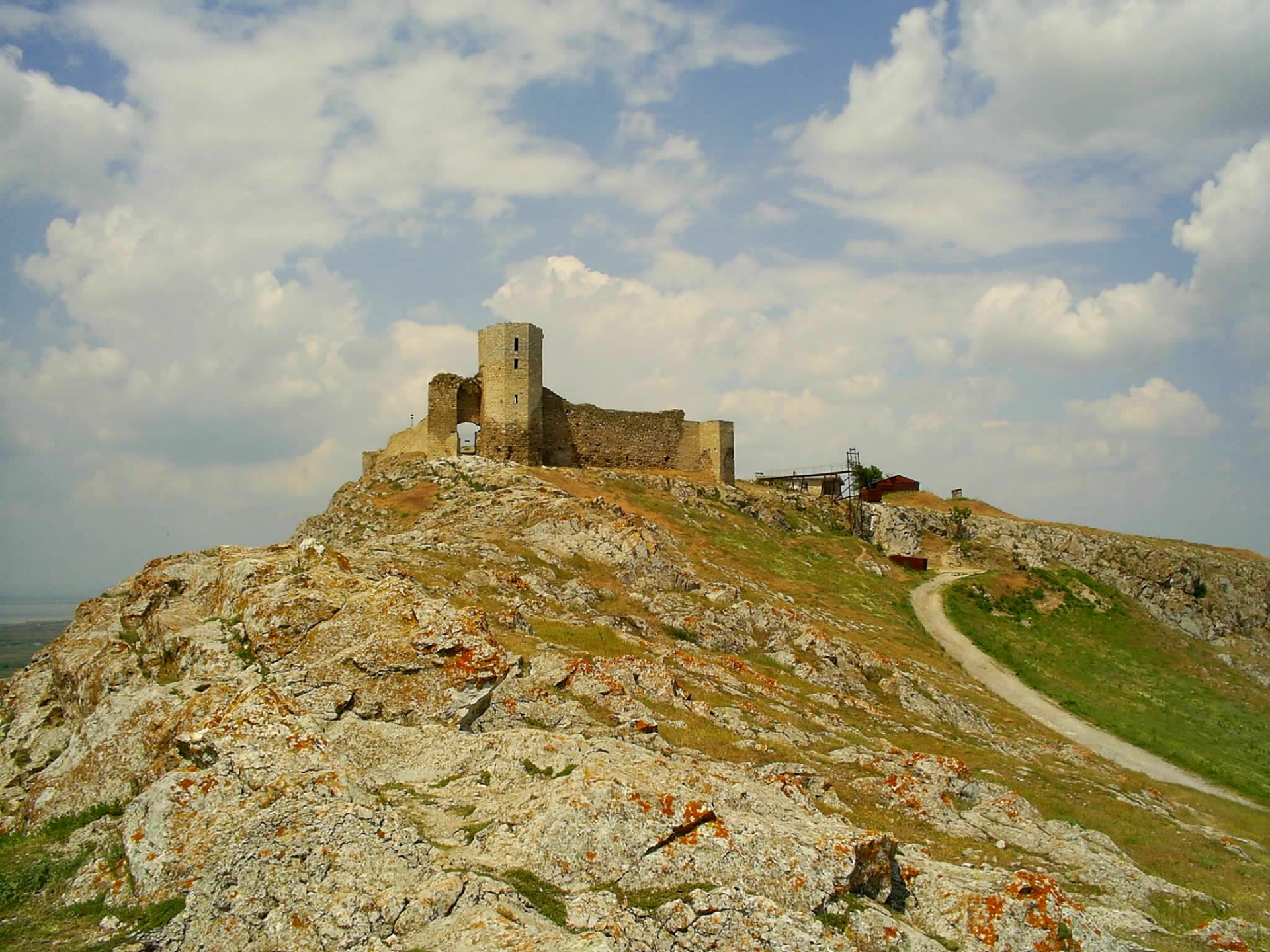
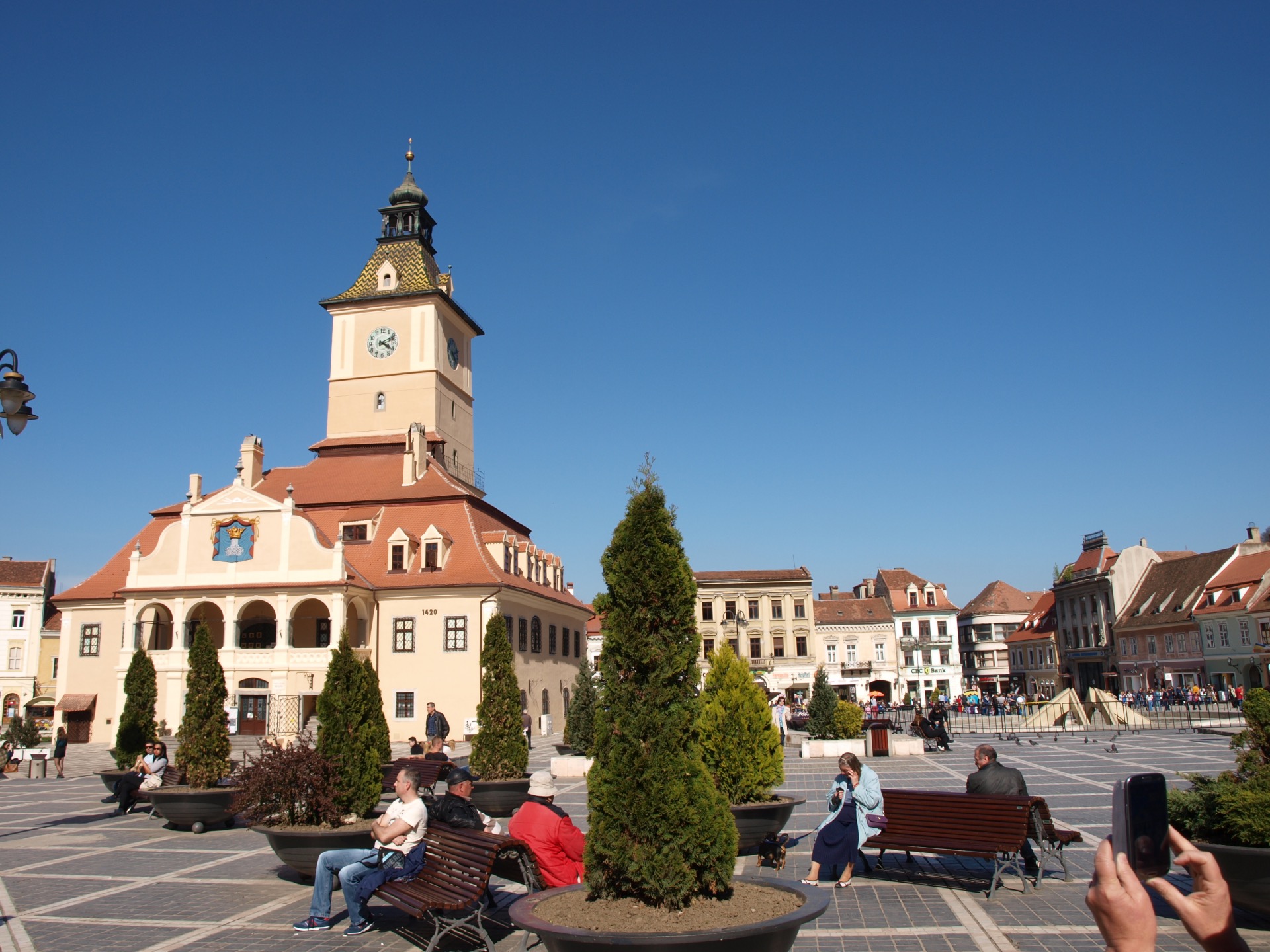
The Brasov region is rich in complementary sites. Bran Castle, about fifteen kilometers away, attracts fans of the Dracula myth. Brasov itself merits at least a half-day for its Saxon old town and Black Church. Nature enthusiasts may venture to the Poiana Brasov resort or the Piatra Craiului National Park gorges. To deepen your exploration of Transylvanian fortifications, you can also visit Enisala Fortress in Dobruja, or explore ethnographic heritage at the ASTRA Museum in Sibiu and the Museum of the Romanian Peasant Woman in Dragomirești, in Maramures.
Include Rasnov in your journey
Rasnov Citadel fits naturally into a Transylvania itinerary, between Brasov, Bran, Sighisoara, and Sibiu. To build a customized itinerary incorporating this stop, explore our Roumanie travel ideas.
Nearby
Interested in this visit?
We can include it in your personalised itinerary.