Moldovita Monastery
Moldovita Monastery
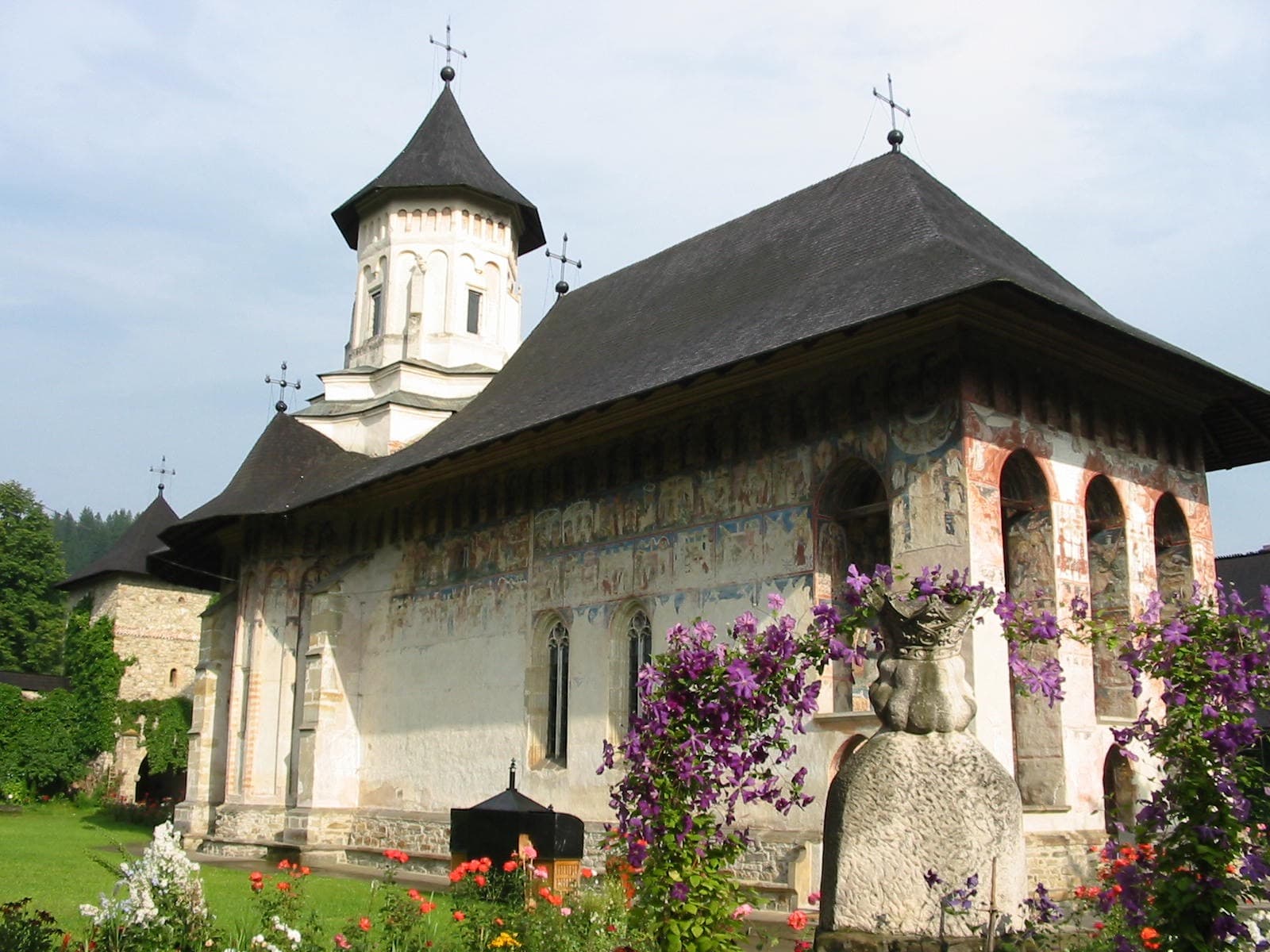
Built in 1532 by Petru Rares in Bucovina, Moldovita Monastery is famous for its exterior frescoes from 1537, inscribed as a UNESCO World Heritage site.
Moldovita Monastery ranks among the eight painted churches of Bucovina inscribed on the UNESCO World Heritage list. Built in the 16th century in northern Roumanie, this fortified monastic complex preserves a cycle of exterior frescoes completed in 1537, considered one of the finest expressions of Moldavian Renaissance art.
Why visit Moldovita Monastery
Moldovita brings together in a single location the three hallmarks that define the renown of Bucovina's painted monasteries: characteristic Moldavian architecture blending Byzantine and Gothic influences, an exterior iconographic programme of rare coherence, and fortifications that recall the defensive role of 16th-century Romanian monasteries. The fresco of the Siege of Constantinople, painted on the southern wall, makes it one of the most studied sites in the region.
Unlike more frequented monasteries such as Voronet or Sucevita, Moldovita maintains a more serene atmosphere, conducive to detailed observation of the paintings. The monastic community remains active here, giving the place a living dimension beyond mere heritage interest.
History of the monastery
The site has been occupied by a religious structure since the early 15th century. This first church was destroyed by a landslide, and its ruins remain visible near the present complex. It was the voivode Petru Rares, son of Stefan the Great, who commissioned the construction of the current church, dedicated to the Annunciation (Buna Vestire), on the site of the earlier one.
The exterior and interior paintings were completed in 1537, during the same reign. This decorative campaign was part of a broader programme initiated by Petru Rares to reinforce the Orthodox identity of the Moldavian principality in the face of Ottoman pressure. In the 17th century, the monastery underwent several restorations, and the fortifications were strengthened. After a period of decline in the 19th century, monastic activity resumed in the 20th century. Its inscription on the UNESCO list in 1993, as part of the painted churches of northern Moldavia, ensures enhanced heritage protection.
What to see on site
The exterior frescoes
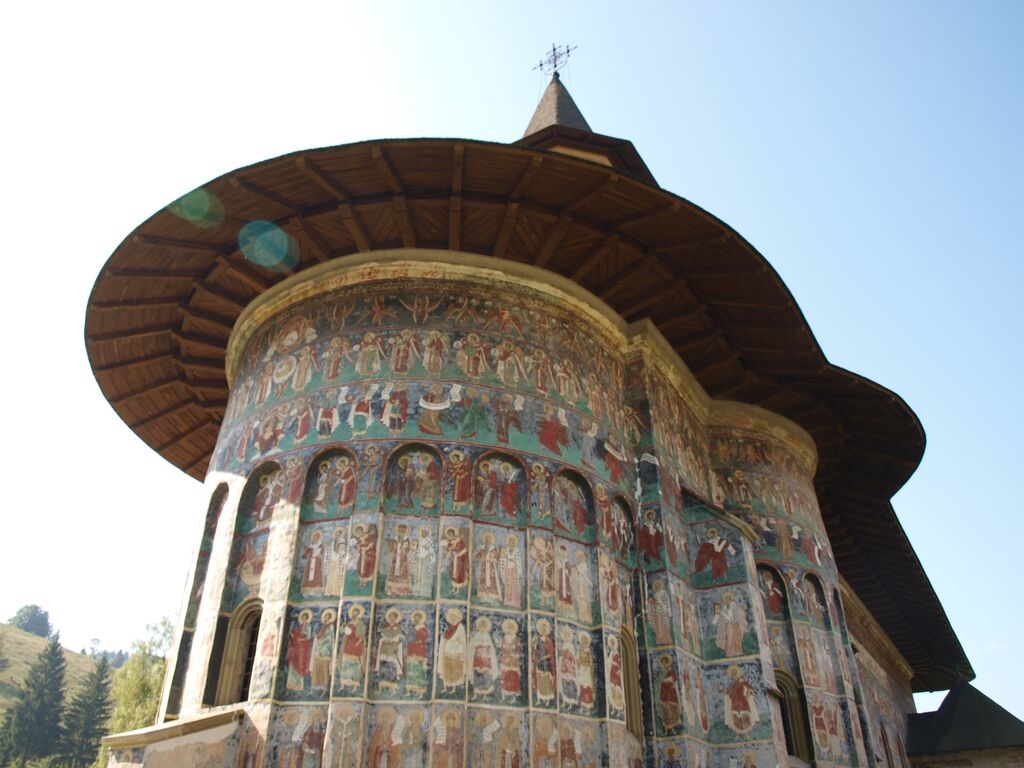
The southern wall houses the most celebrated composition: the Siege of Constantinople, which transposes the Persian attack of 626 into a visual context evoking the fall of the city in 1453. This fresco, several metres in length, is readable in its entirety thanks to exceptional preservation. The northern wall, more exposed to the elements, displays more weathered paintings but remains identifiable.
The Tree of Jesse, the Celestial Hierarchy, and the Last Judgment complete the iconographic programme. The dominant ochre-yellow colouration distinguishes Moldovita from other Bucovina monasteries, each associated with a primary colour (blue for Voronet, red for Humor, green for Sucevita).
The interior of the church
The naos and pronaos preserve paintings from the same decorative campaign as the exterior. The tomb of Bishop Efrem of Radauti, as well as period liturgical furnishings, merit careful examination.
The fortifications and museum
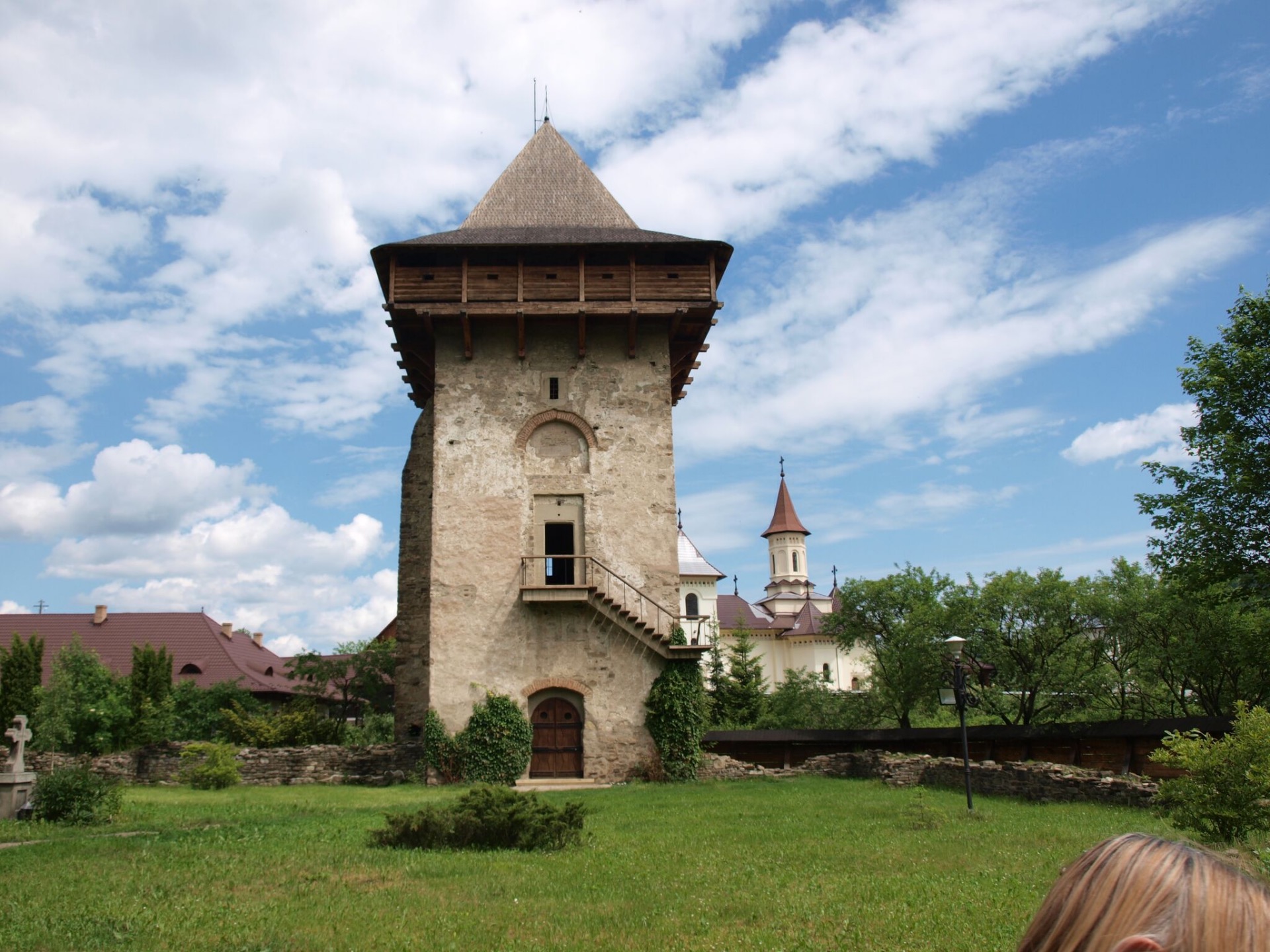
The fortified enclosure, with its corner towers and wall-walk, testifies to the dual role of refuge and spiritual centre. A small museum in the casa domneasca (princely residence) exhibits manuscripts, embroideries, icons, and the throne of Petru Rares.
Practical information
- Dress code: clothing covering shoulders and knees required. Wraps are sometimes provided at the entrance.
- Photography: permitted outside, usually paid or prohibited inside the church.
- Duration of visit: allow 1 to 1.5 hours to explore the entire complex (church, museum, enclosure).
- Admission fee: modest entrance fee, possible additional charge for the museum and photography.
- Language of information: panels in Romanian and English; the sisters sometimes offer commentary in French or English.
When to visit
The period from May to September offers the most favourable conditions, with light that enhances the exterior frescoes. July and August concentrate most tourist traffic: prefer early morning or late afternoon to avoid groups. September and early October, with autumn colours in the surrounding forests, offer a particularly rewarding window. Winter complicates access due to snow, but the monastery remains open outside services.
How to get there
The monastery is located in the village of Vatra Moldovitei, in Suceava County, in the heart of Bucovina. From Suceava, the route via Gura Humorului and Vama represents approximately 80 km (1.5 to 2 hours by car). A scenic railway line also connects Vama to Moldovita, with a stop in the immediate vicinity of the monastery.
The car remains the most practical option for combining Moldovita with other painted monasteries (Sucevita, Voronet, Humor) in a one- or two-day loop. Many organised tours departing from Suceava or Cluj-Napoca include all UNESCO sites in Bucovina.
What to see nearby
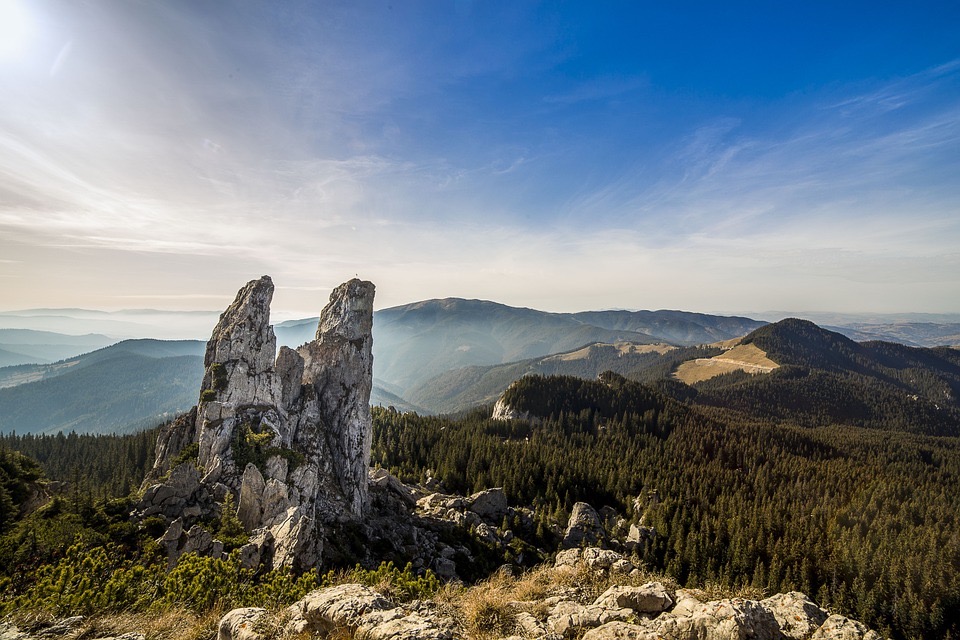
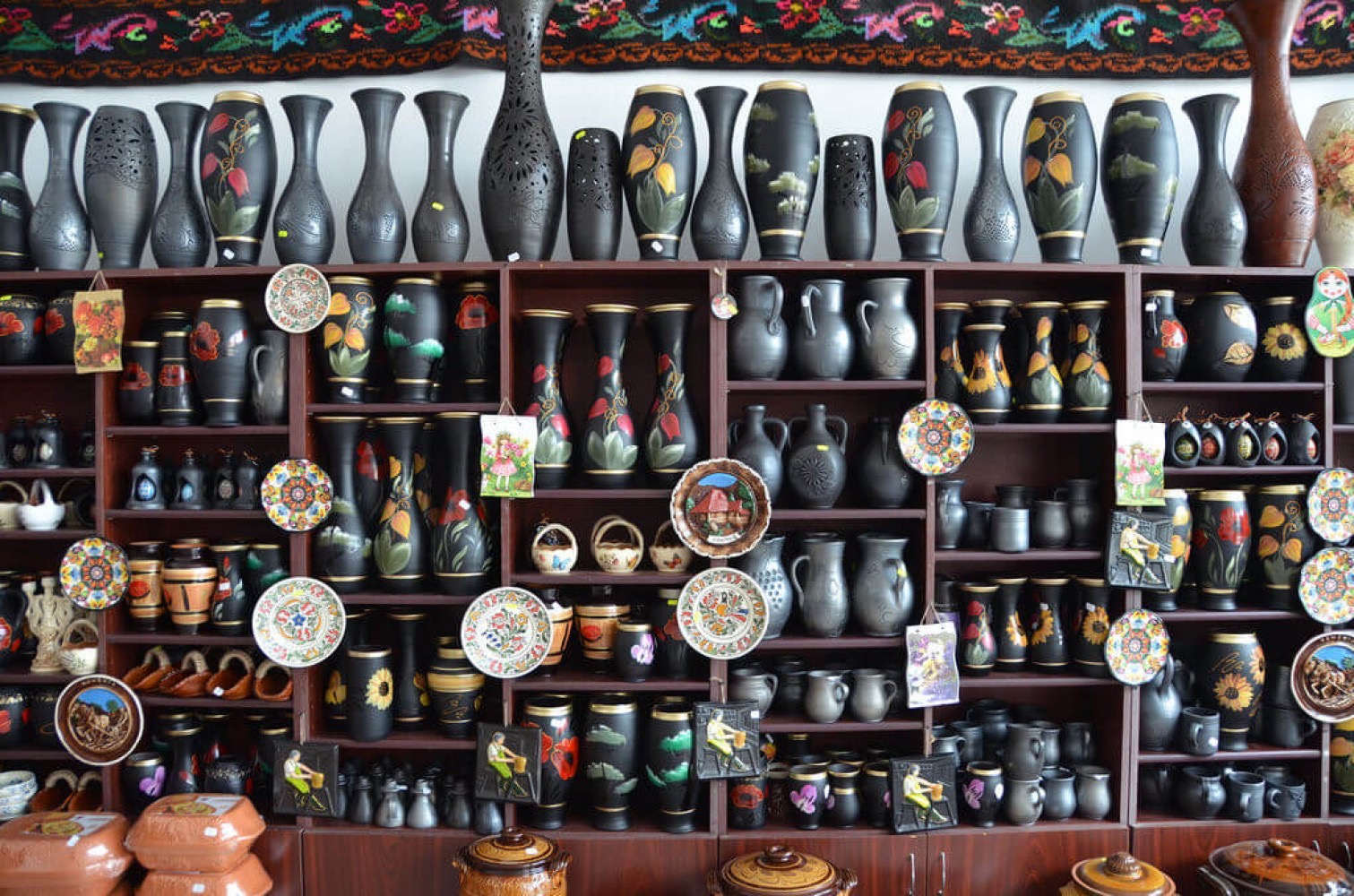
Bucovina and neighbouring Maramures offer a heritage of remarkable density in rural and religious sites. Nearby, the wooden churches of Ieud illustrate another architectural tradition, that of vernacular carpentry in Maramures. The Museum of the Romanian Peasant at Dragomiresti complements the visit with an ethnographic perspective. Landscape enthusiasts will head to the Creasta Cocosului geological reserve, in the Gutai mountains. For a broader view of Romanian folk arts, the ASTRA Ethnographic Museum in Sibiu remains a national reference.
Preparing your trip
Moldovita Monastery integrates naturally into an itinerary combining Bucovina, Maramures, and Transylvania. To build a bespoke journey including painted monasteries and other regions of the country, consult our trips to Roumanie.
Nearby
Interested in this visit?
We can include it in your personalised itinerary.