Horezu Village
Horezu Village
Horezu, in Romanian Oltenia, blends a 17th-century UNESCO monastery and a pottery tradition inscribed in humanity's intangible cultural heritage.
Horezu, a small town in Vâlcea county, northern Oltenia, concentrates two UNESCO distinctions within the same territory: an Orthodox monastery founded in the late 17th century, and traditional ceramics crafted by local potters. This dual recognition makes Horezu a coherent stop for those interested in post-Byzantine religious art and the artisanal heritage of the southern Carpathians.
Why Visit Horezu
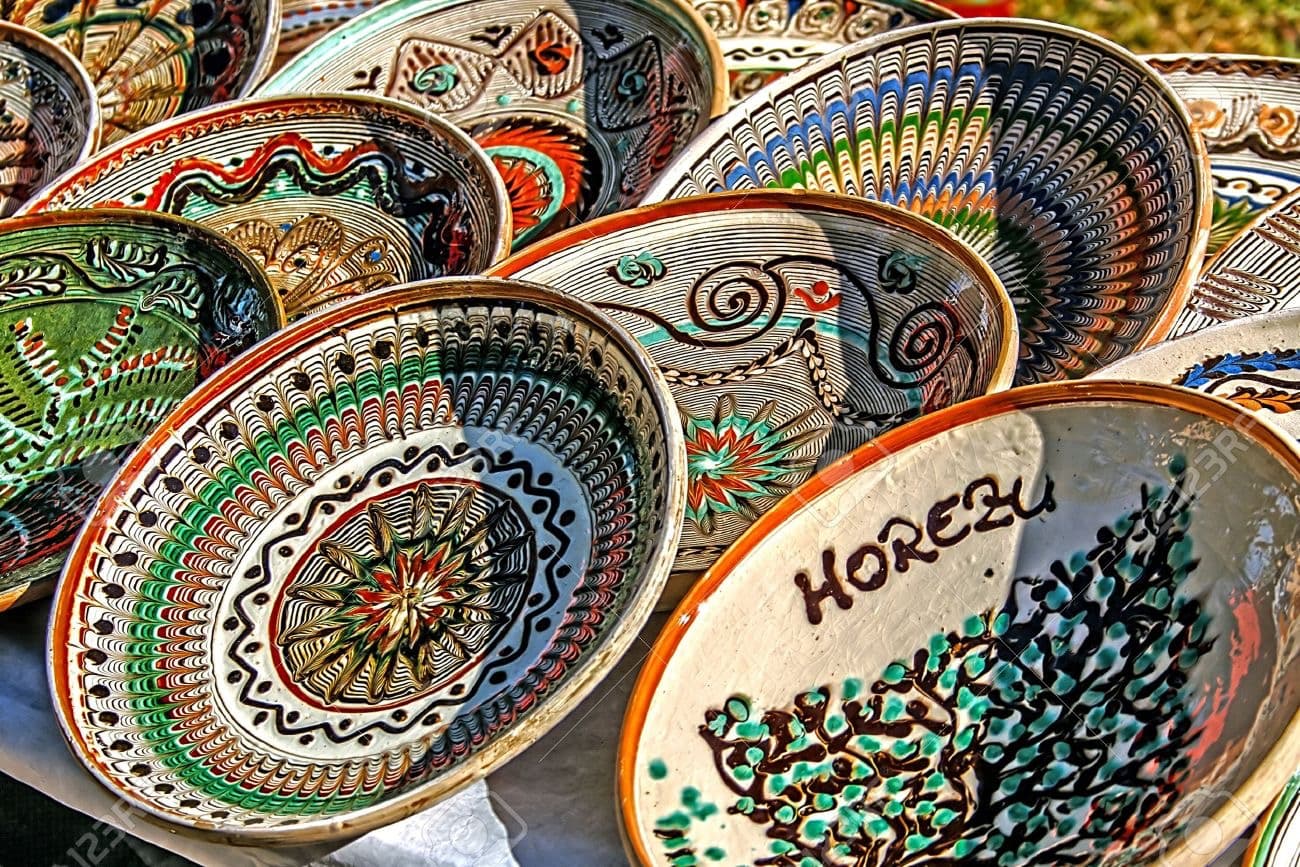
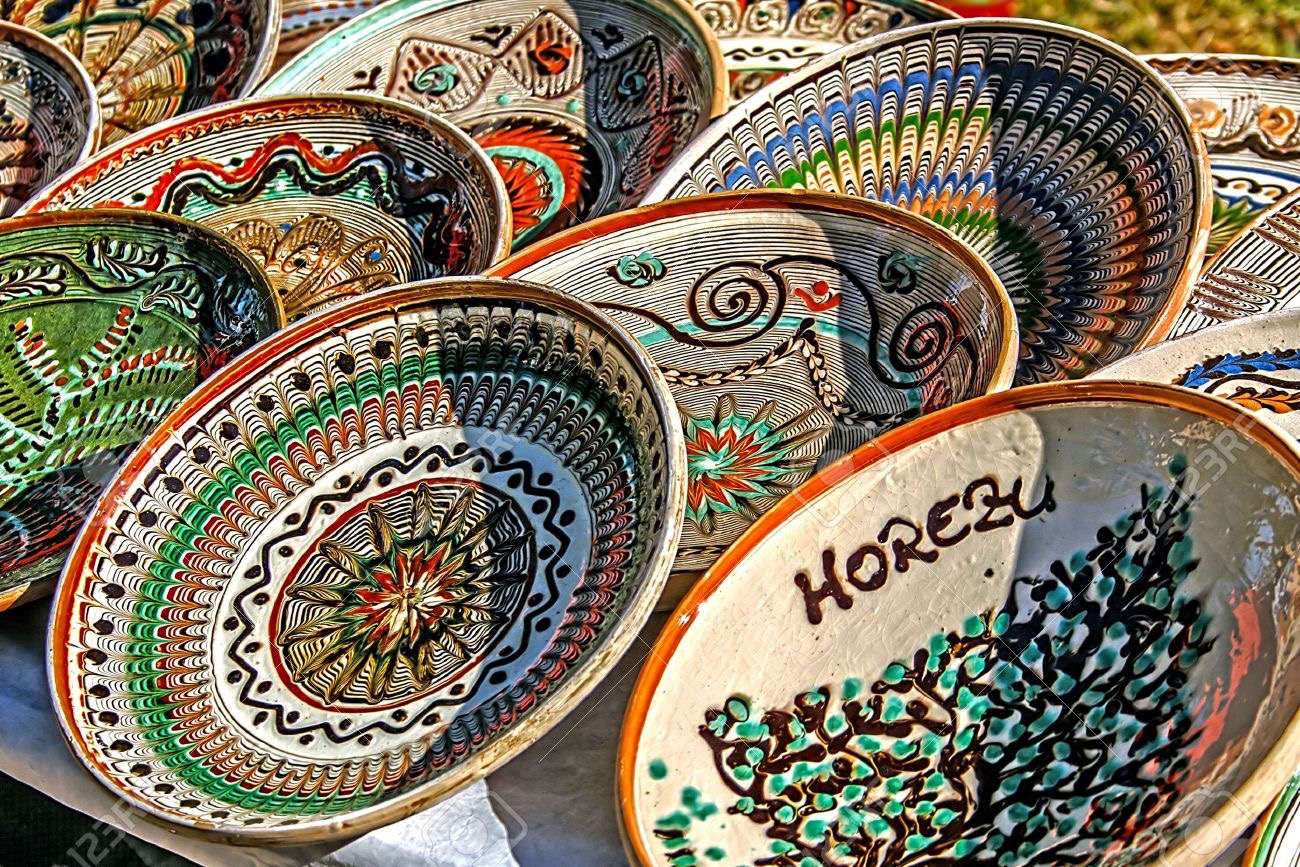
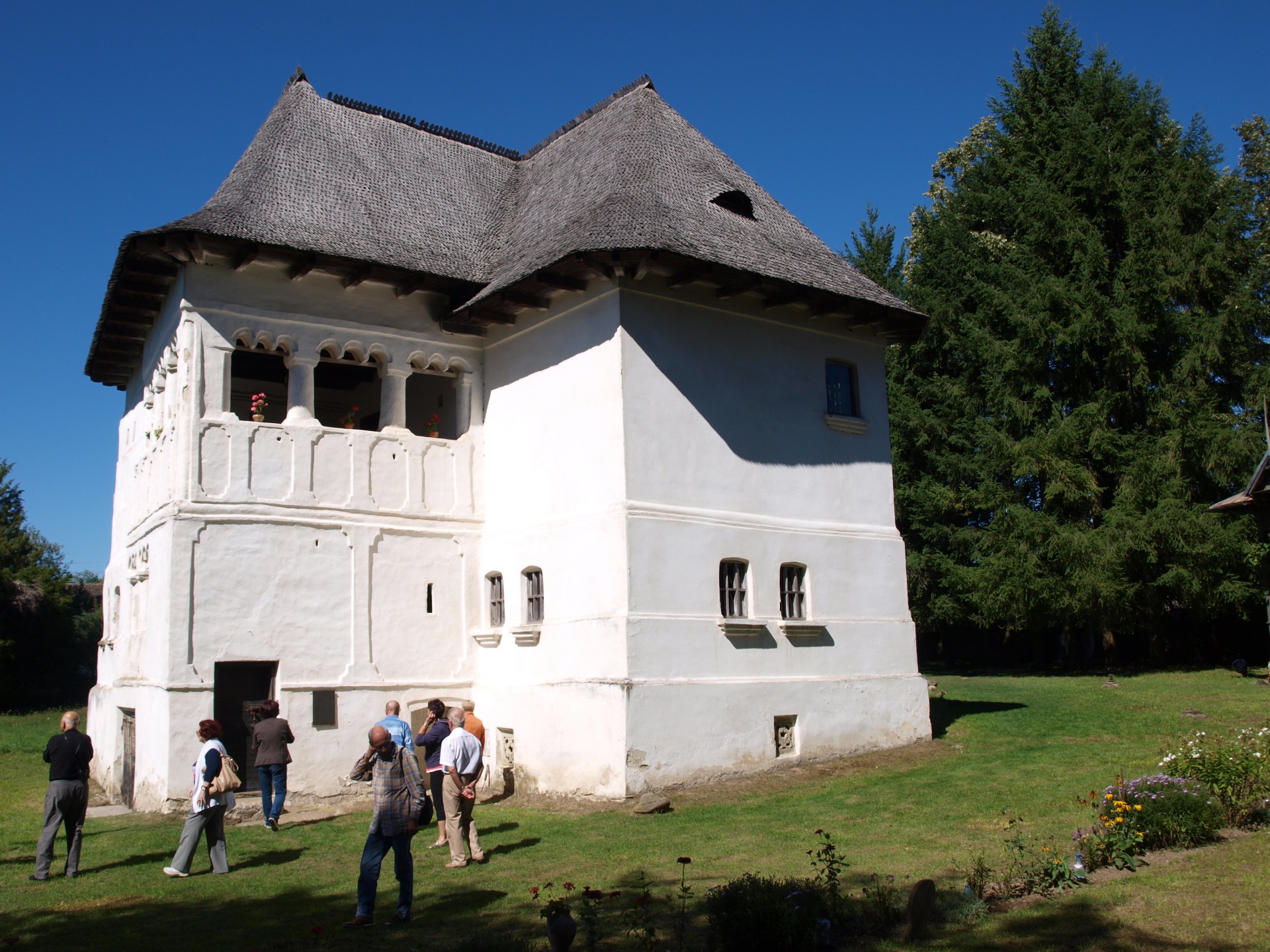
Horezu is a recognized ethnographic centre, both an ancient hub of folk pottery and a repository of architectural memory. Pottery remains the hallmark of the place: its motifs—stylized rooster, spiral, tree of life, sun—are recognizable from miles away and form a distinctive regional visual identity. Beyond the workshops, the commune is home to one of the most accomplished ensembles of Brâncovenesc style architecture, a blend of Byzantine, Ottoman, and Baroque influences characteristic of the late reign of Constantin Brâncoveanu.
The appeal of a visit lies in this rare superposition: the same territory has worked clay for generations, and within the same perimeter preserves a major monument of Romanian art. The pace remains that of a rural town, removed from major tourist flows.
History and UNESCO Recognition
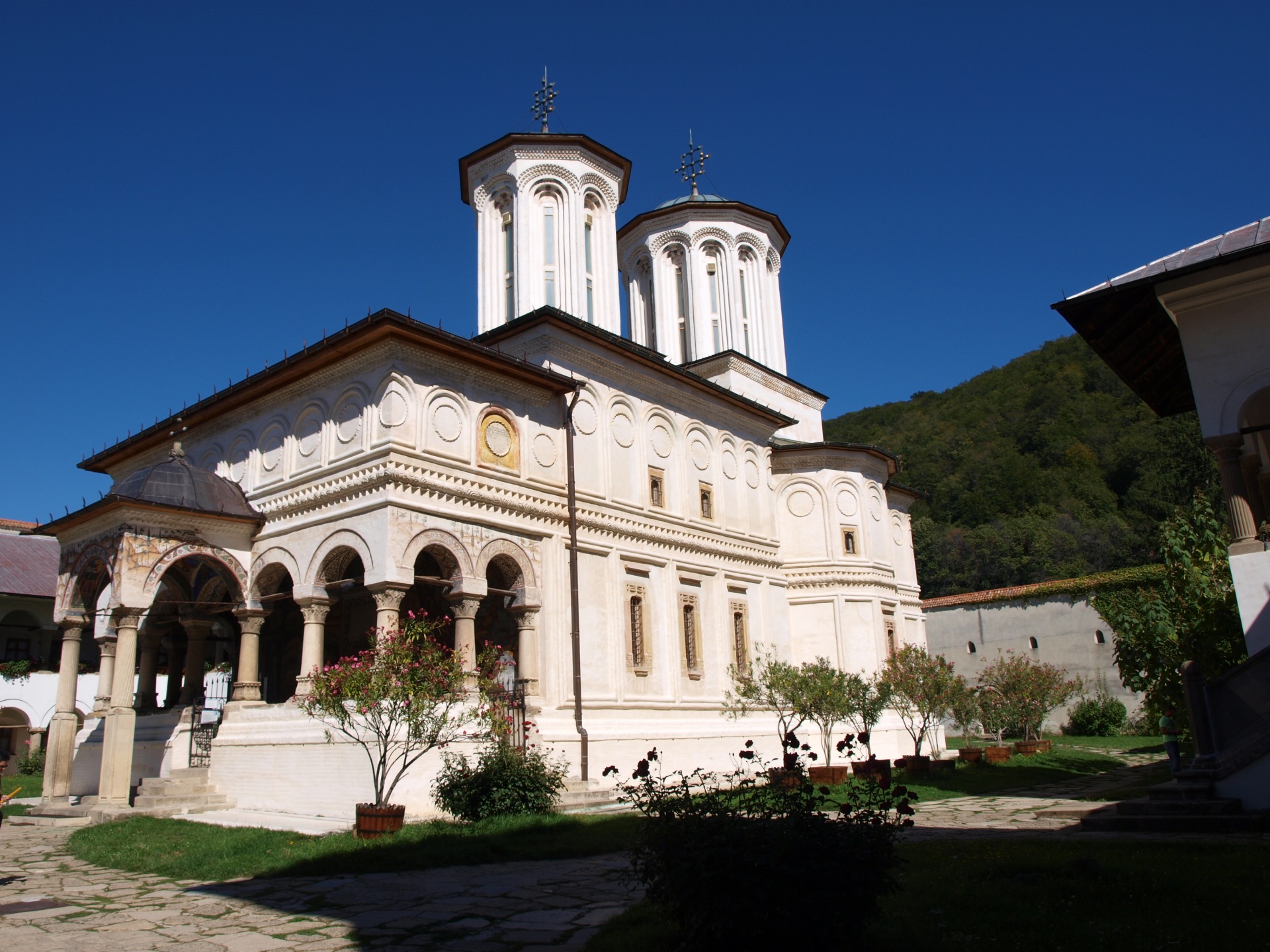
The Horezu (Hurezi) monastery was founded between 1690 and 1697 by voivode Constantin Brâncoveanu, Prince of Wallachia. It is considered the most complete expression of the architectural style bearing his name. Its frescoes, votive portraits, school of mural painting, and library made it an active cultural centre from its founding. The ensemble was inscribed on UNESCO's World Heritage List in 1993.
Horezu pottery developed in parallel in nearby hamlets, particularly in Olari. The techniques—extraction of local clay, right-hand wheel throwing, cord and comb decoration, low-temperature firing—are passed down from father to son, sometimes over five or six generations. UNESCO inscribed this ceramic art on the Representative List of the Intangible Cultural Heritage of Humanity in 2012, recognizing both the technique and the community that maintains it.
What to See and Do
Horezu Monastery
Located approximately 3 km from the town centre, the complex comprises the main church dedicated to Saints Constantine and Helen, several chapels, colonnaded galleries with carved capitals, and a cemetery. The interior frescoes, restored several times, retain the original character of the monastery's painting school. A female monastic community still lives there. Covered shoulders and knees are required at church entrance.
Potter Workshops
The potters' street, in the Olari quarter, groups together some twenty family workshops open to the public. You can watch wheel-throwing in real time, observe the preparation of mineral pigments, and see traditional kilns. Several families—Vicșoreanu, Iorga, Frigura, Pietraru, among others—have worked here for generations. Workshop visits are free; direct purchase from the potter is the custom.
The Cocoșul de Hurez Fair
Each June, the "Cocoșul de Hurez" fair ("the rooster of Hurez") brings together potters from Horezu and other ceramic regions of Romania and Central Europe. Throwing competitions, demonstrations, sales, and traditional music span two to three days. This is the year's densest moment for observing living practice.
The Popular Ceramics Museum
A small local museum, housed in Horezu's centre, traces the history of regional ceramics, displays historical pieces, and explains the motifs. Allow 30 to 45 minutes for the tour.
When to Visit
The best season runs from May to September, with temperate weather and all workshops in activity. The Cocoșul de Hurez fair in early June draws crowds but requires advance accommodation booking. Outside the fair, May, September, and early October offer a quieter visit with favourable light for the monastery. In winter, some workshops close or reduce operations.
Practical Information
- Visit Duration: allow half a day to combine monastery and workshops, a full day if including the fair or multiple workshops.
- Admission: modest entrance fees for the monastery and museum; ceramic purchases made directly with potters at prices varying by size and complexity.
- Dress Code: covered shoulders and knees for monastery visits; a headscarf useful for women.
- Accommodation: family pensions ("pensiuni") in Horezu and neighbouring villages, Oltenian cuisine restaurants on site.
- Languages: Romanian; occasionally some English or French among potters and at the monastery.
How to Get There
Horezu sits on national road DN67, between Râmnicu Vâlcea (approximately 45 km east) and Târgu Jiu (approximately 60 km west). From Bucharest, allow 4 to 5 hours' drive via motorway A1 then DN67. The nearest international airport is Sibiu (approximately 130 km north, via the Olt valley); Bucharest-Otopeni remains the main option for long-haul flights. Coach connections from Râmnicu Vâlcea exist but are infrequent: a car is the most practical way to combine workshops, monastery, and surrounding villages.
Nearby Attractions
Romania offers other ethnographic and heritage stops that complement a stay in Horezu:
- The ASTRA Ethnographic Museum in Sibiu, Romania's largest open-air museum, broadens the perspective on folk arts.
- The Museum of the Romanian Peasant in Dragomirești, in Maramureş, for another reading of rural Romanian life.
- The wooden churches of Ieud, also UNESCO-listed, in the country's north.
- The Creasta Cocoșului geological reserve for lovers of volcanic landscapes.
Planning Your Stop in Horezu
A visit to Horezu fits naturally into an itinerary linking Sibiu, Oltenia, and northern Oltenia, or as an extension of a southern Carpathian circuit. To build a coherent journey incorporating this stop, consult our Romania travel guide.
Interested in this visit?
We can include it in your personalised itinerary.