Biertan
Biertan
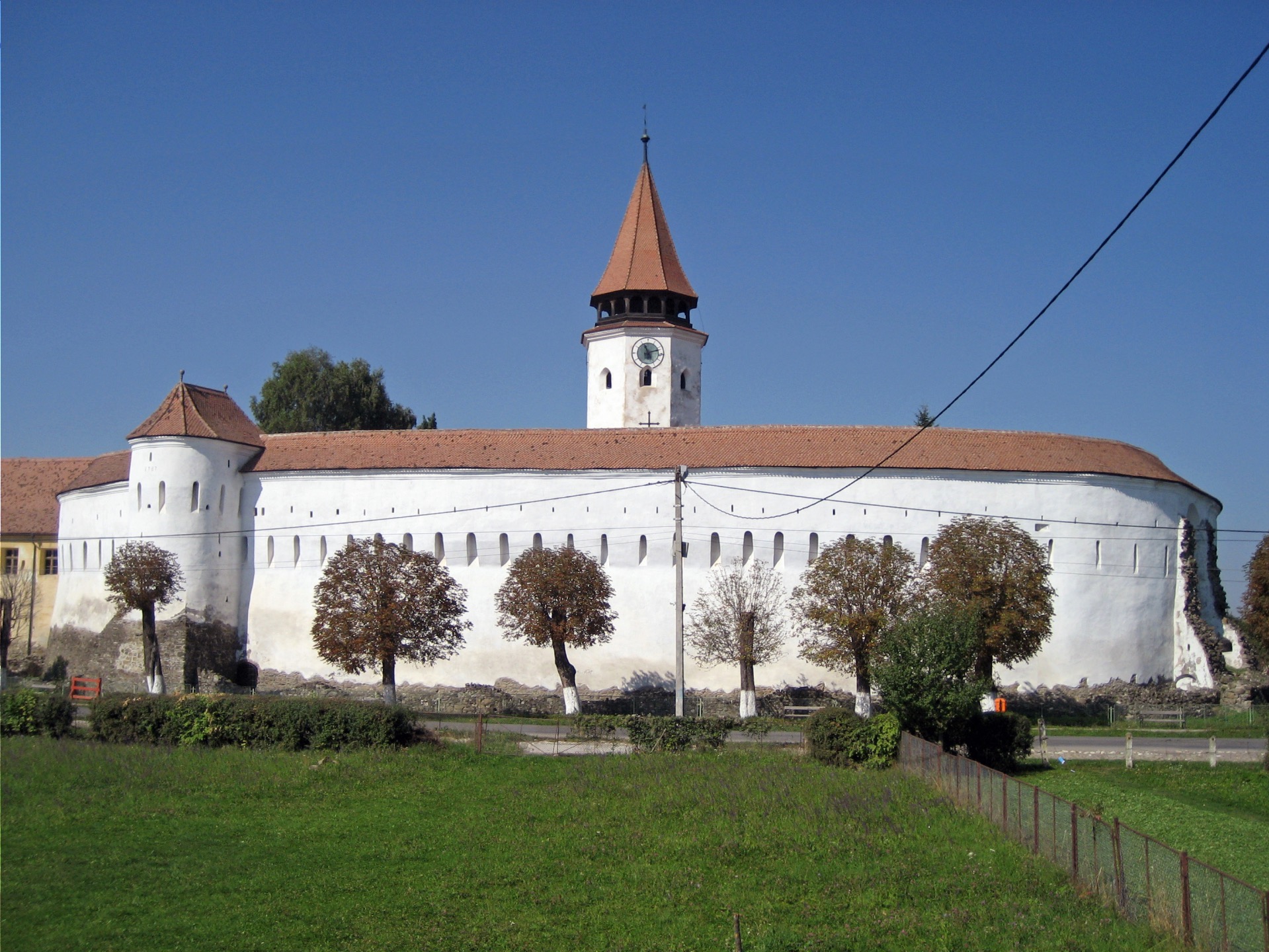
Biertan, one of Transylvania's most important Saxon fortresses, is home to a fortified Gothic church inscribed on the UNESCO World Heritage list since 1993.
In the heart of Transylvania, in Sibiu County, the village of Biertan shelters one of Roumanie's most significant Saxon fortresses. Its fortified church, perched on a hilltop at the village center, bears witness to seven centuries of Saxon heritage and has been part of the UNESCO World Heritage site since 1993.
Why visit Biertan
- A Gothic fortified church protected by a triple ring of ramparts, among the best-preserved in Transylvania
- The famous treasury chamber door and its ingenious 22-lock mechanism, awarded a prize at the 1900 Paris Exposition Universelle
- A UNESCO-inscribed site since 1993 as part of the Saxon fortified villages ensemble
- A preserved rural village, away from major tourist flows
- An ideal stop between Sighișoara and Sibiu to discover Transylvania's Germanic heritage
History of Biertan
Founded in the 12th century by Saxon colonists invited by Hungarian kings to defend the kingdom's eastern borders, Biertan developed into one of Transylvania's most prosperous merchant towns. Construction of the current fortified church took place between the late 15th and early 16th centuries, in late Gothic style marked by early Renaissance influences.
From 1572 to 1867, Biertan served as the residence for Lutheran bishops of Transylvania, which partly explains the site's architectural richness. The Saxon community maintained the building for centuries, until the massive emigration of Saxons to Germany in the 1990s. Its inscription on the UNESCO World Heritage list in 1993, later extended to six other fortified Saxon villages, helped ensure the preservation of this unique ensemble.
What to see here
The fortified church
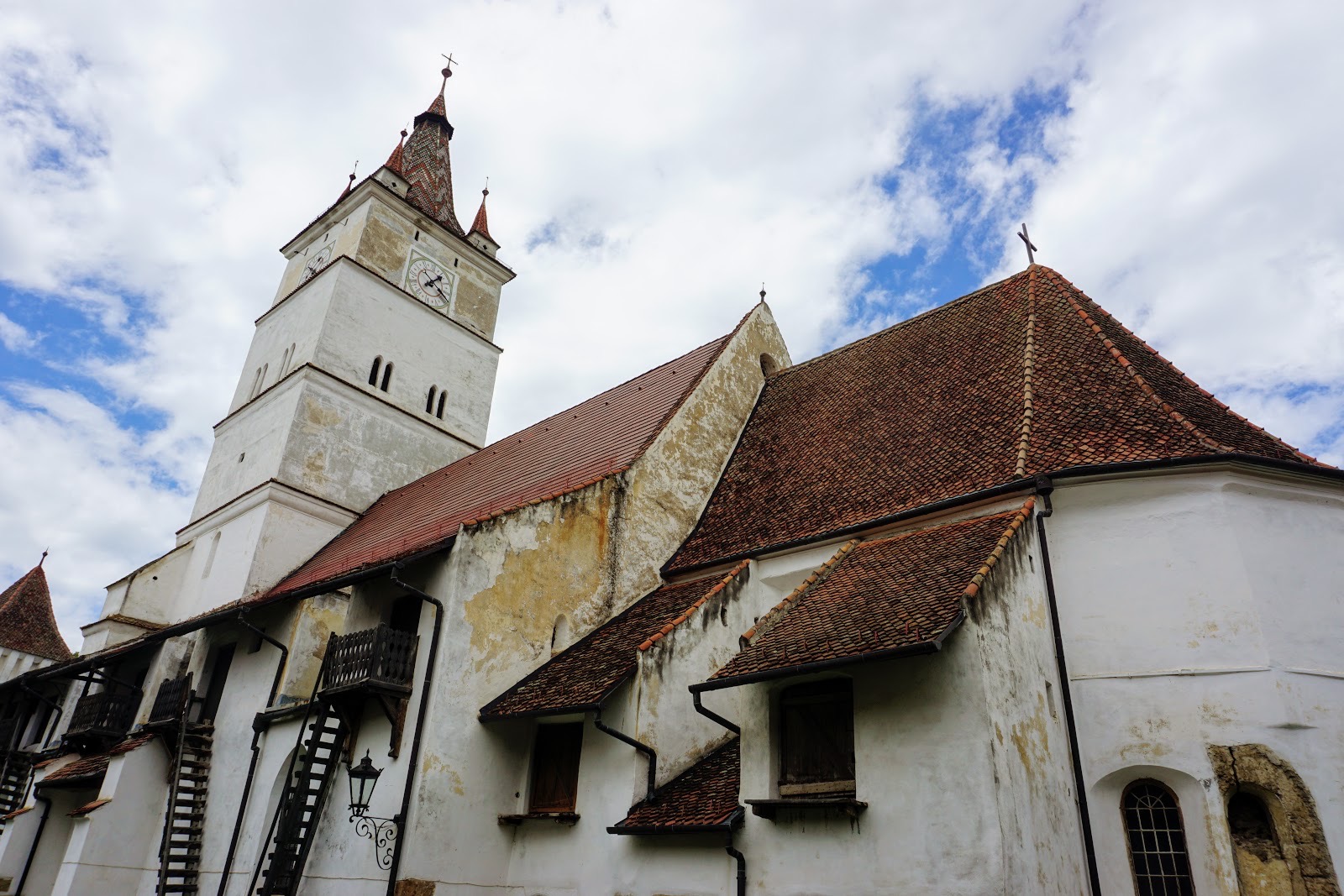
This late Gothic structure sits atop the hilltop. Its interior preserves a painted altarpiece from the late 15th century composed of panels depicting biblical scenes, as well as a remarkable carved stone pulpit and marquetry wooden stalls.
The treasury chamber
This is undoubtedly the site's most famous curiosity. Its door is equipped with a locking system of 22 simultaneously functioning locks operated by a single key. This mechanical locksmith mechanism received the prize for ingenuity at the 1900 Paris Exposition Universelle. The room served to preserve the community's precious possessions and ecclesiastical archives.
The triple ring of ramparts
The church is protected by three concentric rows of walls, punctuated by defensive towers. Notable among these are the council tower, the matrimonial prison tower (where couples in crisis were locked together to encourage reconciliation), the bride's tower, and the lard tower, where villagers stored their provisions.
The village
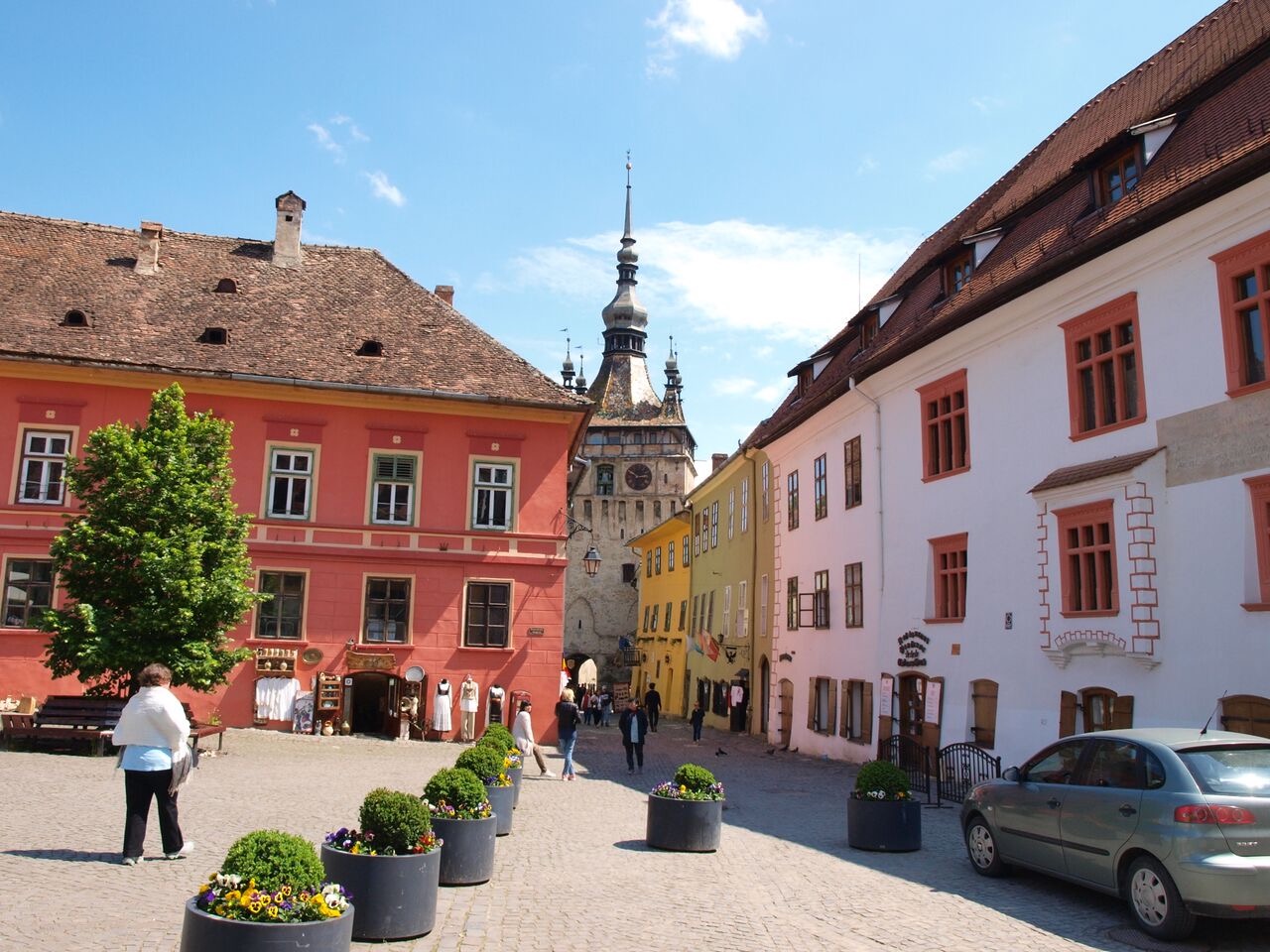
At the foot of the fortress, the streets preserve the typical organization of Saxon towns with their colorfully painted facades and characteristic gateways.
Practical information
- Duration of visit: allow 1.5 to 2 hours for the fortified church and village
- Admission: moderate entry fee, combined ticket church + towers
- Opening hours: the site is open year-round, with reduced hours in winter and Monday during low season
- Accessibility: access to the church is via a covered wooden staircase, not well-suited for people with reduced mobility
- Languages: informational panels in Romanian, German, and English
When to visit Biertan
The most pleasant period runs from May to October, when Transylvania's climate allows you to enjoy the village and surrounding rolling landscapes. May and June offer verdant, flowering countryside, while September and October bring spectacular autumn colors to the surrounding forests.
Summer (July-August) remains the peak tourist season, but Biertan never reaches the visitor levels of Sighișoara or Brașov. In winter, the site is open but access conditions may be more difficult and some towers closed to the public.
How to get there
Biertan is located approximately 80 km north of Sibiu and 30 km southwest of Sighișoara, making it a natural stop between these two towns. The village lies slightly off the main DN14 road, about 8 km via a secondary route.
- By car: the most practical option, with parking at the village entrance. Allow 1.5 hours from Sibiu and 45 minutes from Sighișoara.
- By public transport: limited bus connections from Mediaș (the nearest station, 27 km away), with infrequent service. It's best to arrange a car rental or private transfer.
- Organized excursion: many itineraries from Sibiu, Brașov, or Sighișoara include Biertan in a day dedicated to Saxon villages.
Nearby attractions to combine
Biertan integrates perfectly into a Transylvanian itinerary. Nearby, the fortified villages of Viscri, Mălâncrav, and Copșa Mare extend your exploration of Saxon heritage. Further afield, the Corvin Castle in Hunedoara offers one of Roumanie's most impressive examples of military Gothic architecture, while Salina Turda, a former salt mine converted into an attraction, deserves a detour for travelers heading toward Cluj.
For those who love scenic drives, the Transfăgărășan road crossing the Southern Carpathians is a spectacular complement to your journey, accessible from Sibiu during the summer season.
Include Biertan in your journey
A major stop for understanding Transylvania's Saxon heritage, Biertan naturally fits into an itinerary combining Sibiu, Sighișoara, and the fortified villages. To build a bespoke itinerary including this UNESCO site and other regional treasures, explore our Roumanie journeys designed with our local experts.
Interested in this visit?
We can include it in your personalised itinerary.