Măcin Mountains National Park
Măcin Mountains National Park
In northern Dobruja, Măcin Mountains National Park protects a rare landscape of granite ridges and wooded steppe, designated a Biosphere Reserve.
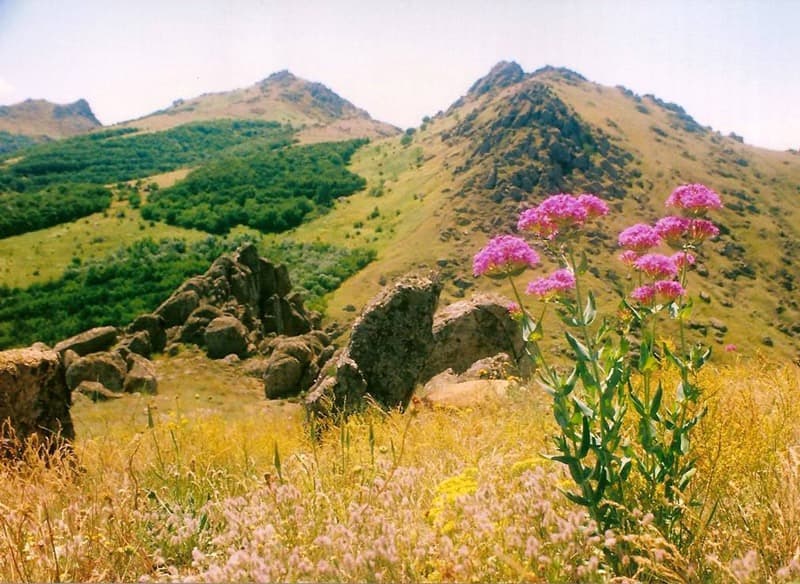
Măcin Mountains National Park lies in northern Dobruja, Romania, between the Danube and the Black Sea. A modest massif by altitude—its summit rises to 467 metres—it compensates through its geological age and the uniqueness of its habitats. Its granite ridges, among Europe's oldest, dominate a steppe landscape scattered with sparse woods, where Mediterranean and Balkan influences meet.
Why visit Măcin Mountains
The site's interest lies first in its ecological originality. The park protects a wooded steppe ecosystem at the junction of several biogeographical areas, making it a refuge for diverse flora and fauna. The site was designated a Biosphere Reserve in 1998 and is part of the European Natura 2000 network.
Park authorities record over 3,400 species of flora and fauna across a relatively small territory. Some emblematic species:
- Steppe peony (Paeonia tenuifolia), the park's emblem flower, visible in April–May
- Several raptors: steppe eagle, griffon vulture in passage, saker falcon
- Mediterranean reptiles: Hermann's tortoise, viper adder
- Wildcats, wild boar, roe deer in wooded areas
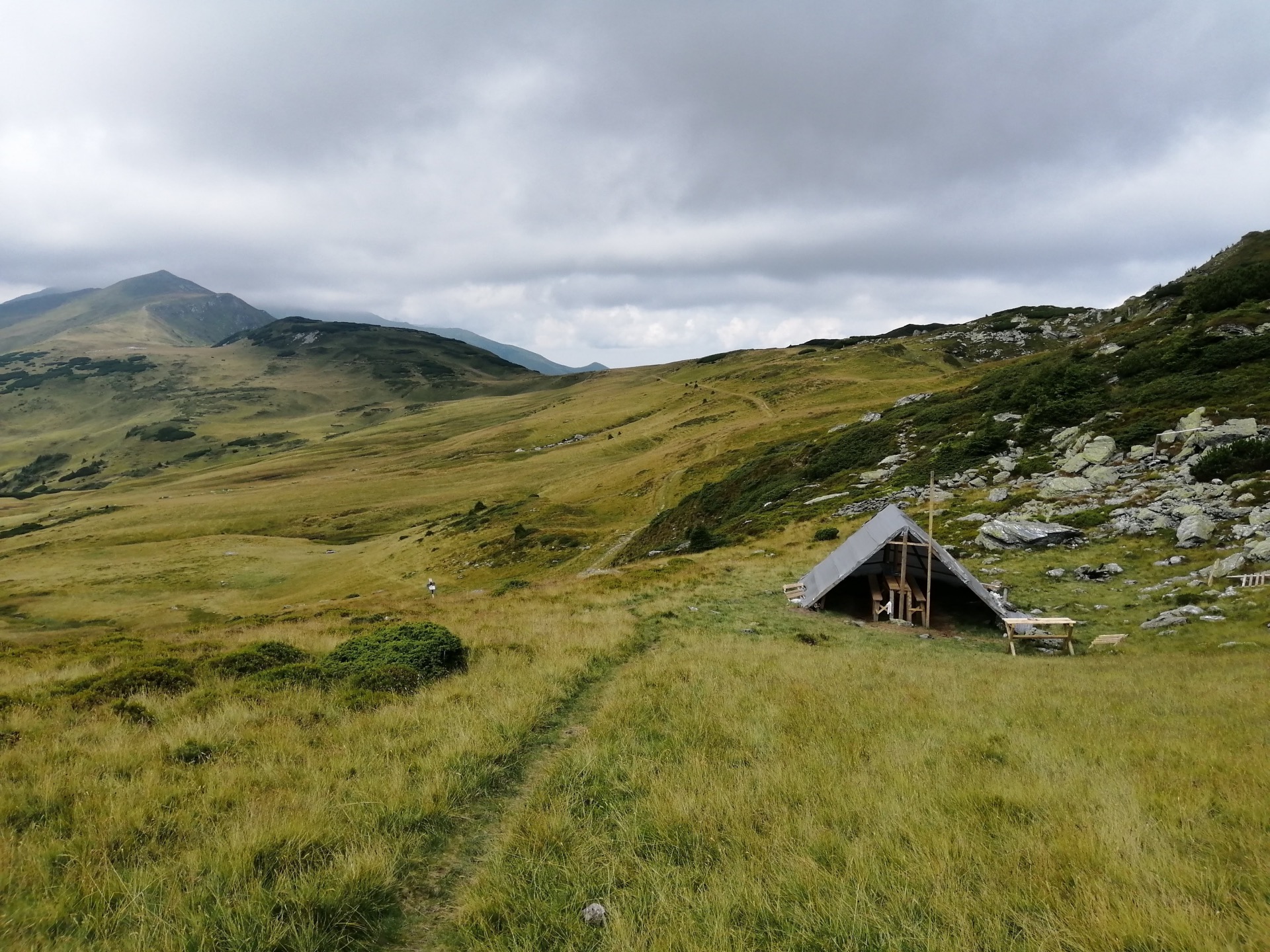
The park's other draw is its topography. The megalithic granite formations create an unexpected mineral landscape on the Danubian plain, with striking contrast between bare rocky ridges and forest clinging to lower slopes.
What to see and do in the park
Hiking trails
The park is crisscrossed by a network of marked trails, accessible as day hikes. The most popular routes lead to the summit of Țuțuiatu (467 m), the highest point offering panoramic views over the Danube and surrounding plains. Allow 4 to 6 hours' hiking round-trip depending on your starting point. Other shorter routes let you follow the ridges or explore wooded valleys.
Nature observation
The diversity of habitats—steppe grasslands, rocky outcrops, oak forests—makes the park ideal terrain for birdwatchers and botanists. Spring brings the most spectacular flowering, notably that of wild peonies.
Villages of northern Dobruja
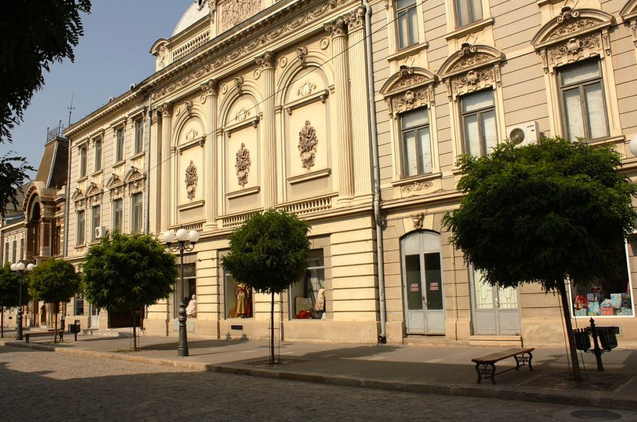
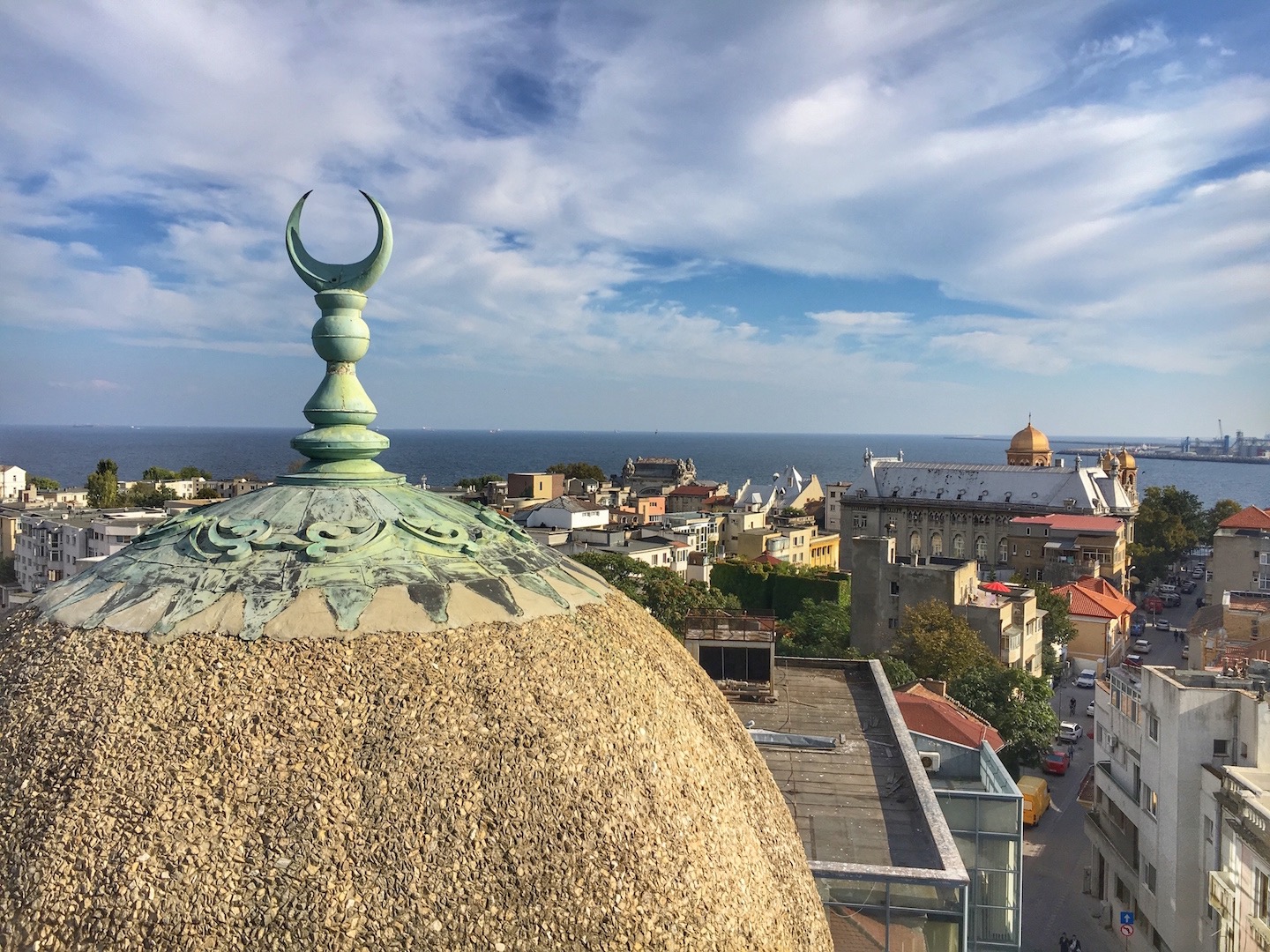
On the park's fringes, the villages of Greci, Cerna and Măcin preserve the rural atmosphere typical of this cosmopolitan region, marked by a mosaic of communities (Romanians, Turks, Tatars, Lipovans). Several old churches and mosques deserve a visit.
When to visit
The most favourable period extends from April to June, when temperatures remain mild and the steppe is in flower. Summer is very hot and dry in Dobruja, with temperatures often exceeding 35 °C: hiking becomes gruelling in midday hours. September and October offer pleasant conditions and light ideal for photography. Winter is cold and windy, poorly suited to visiting.
Practical information
- Access: free entry, but registration with park administration is recommended for longer hikes
- Equipment: hiking boots, plenty of water (few sources on the ridges), sun protection and windbreaker
- Accommodation: guesthouses in the villages of Greci or Măcin; no lodging within the park
- Visitor centre: administrative headquarters at Măcin, with maps and trail information
How to get there
The park lies in Tulcea County, at Romania's far north-east. From Bucharest, allow approximately 4 to 5 hours' drive via Brăila and the Danube ferry. From Tulcea, the town of Măcin is about an hour away. A car remains the most practical transport, public transport being limited in the region. The villages of Greci and Cerna are the main trailheads.
To combine in the region
Măcin Mountains fit naturally into an itinerary through northern Dobruja, which can include the nearby Danube Delta, as well as the ancient remains of Histria, a former Greek colony on the Black Sea coast. To extend the nature experience in Romania, the Creasta Cocoșului geological reserve in Maramureș offers another example of remarkable mineral landscape. For heritage, the fortified village of Biertan in Transylvania complements a cultural-themed trip well.
Planning your visit
To include Măcin Mountains in a tailored circuit through Romania, browse our Romania journeys and let our local specialists design an itinerary combining nature, heritage and traditional villages.
Interested in this visit?
We can include it in your personalised itinerary.