Lake Red
Lake Red
Born from a landslide in 1837 in the Eastern Carpathians, Lake Red stands out for its waters tinted with iron oxides and its emerging tree trunks.
Lake Red (Lacul Roșu in Romanian) is a natural lake located in the Eastern Carpathians, on the upper course of the Bicaz River, at 980 metres elevation. Born from a spectacular landslide in the 19th century, this body of water takes its name from the ferrous oxides that colour its waters and remains one of Romania's most singular lacustrine sites.
Why visit Lake Red
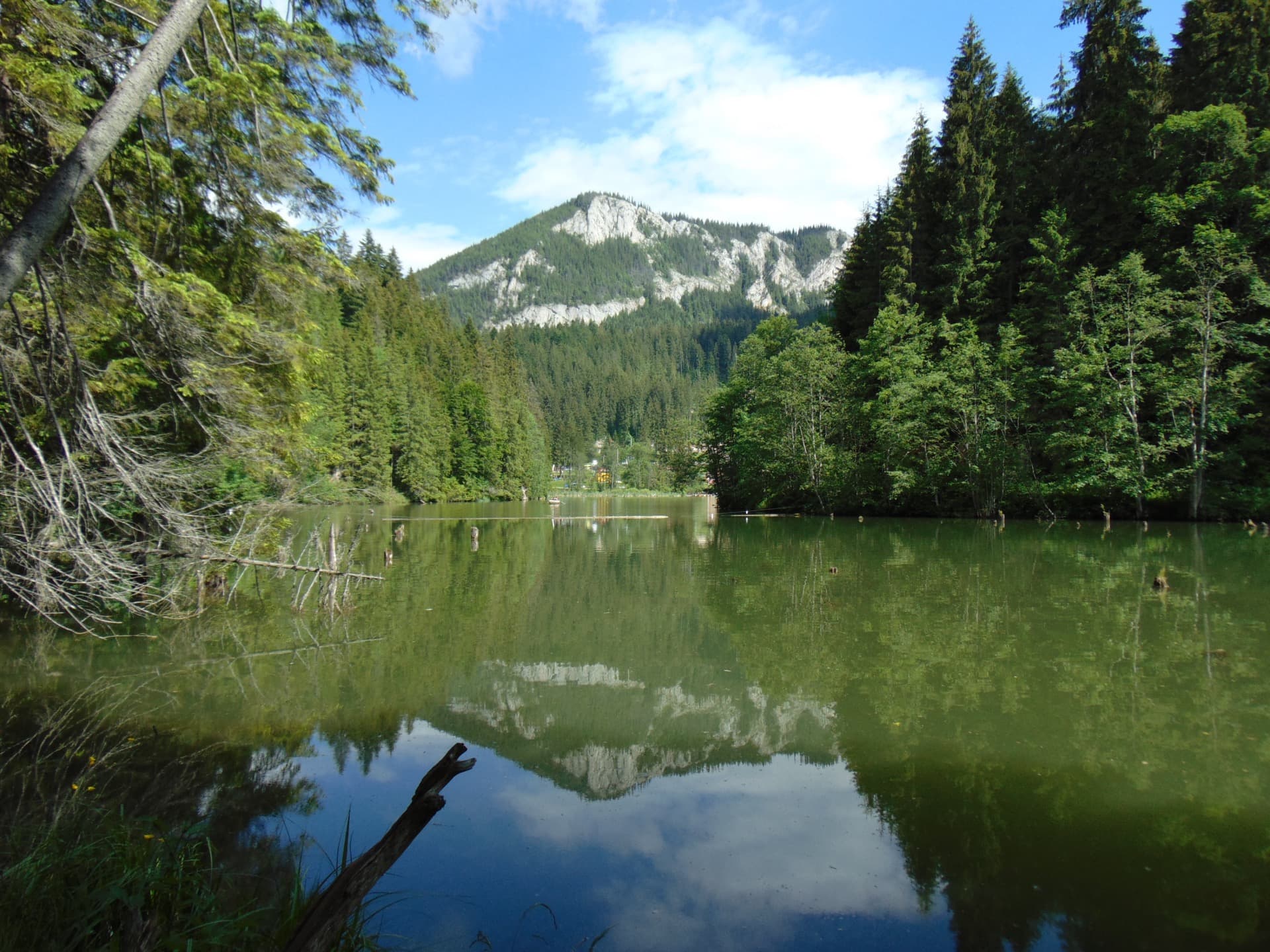
Lake Red intrigues with its recent and well-documented geological origin. Unlike most mountain lakes formed over millennia, this one appeared within hours, in 1837, when an entire section of Mount Ghilcoş collapsed and blocked the course of the Bicaz River. The result is a rare landscape: a natural dam lake from which the petrified tree trunks of the submerged forest still emerge today.
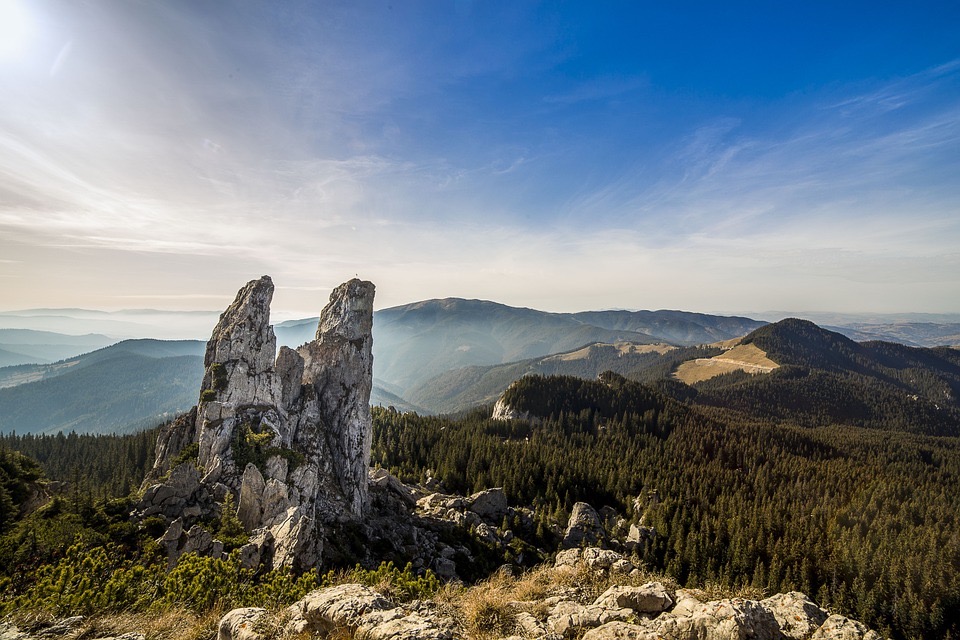
The lake's distinctive colour, which shifts between brick red and ochre depending on the light, adds to its visual appeal. The site sits within dense forestry, dominated by the peaks of the Hășmaș Mountains, and serves as the natural starting point for exploring the nearby Bicaz Gorges.
History and geological formation
Lake Red formed following the collapse of a gigantic rock in 1837. Torrential rains had saturated the unstable slopes of Mount Ghilcoş; a massive landslide dumped hundreds of thousands of cubic metres of rock into the valley, obstructing the bed of the Bicaz River and its tributaries.
Water then accumulated behind this natural dam, gradually submerging the spruce forest that occupied the valley. Nearly two centuries later, tree trunks that emerge still bear witness to the ancient submersion of an entire forest. Preserved by the cold, poorly oxygenated waters, they give the lake its distinctive silhouette, sometimes nicknamed "the lake of dead trees".
The other singularity lies in the chemistry of the waters. The lake owes its name and colour to the Paraul rosu (Red Spring) stream, which carries iron oxides and hydroxides torn from the terrain it traverses. These sediments settle in the lake and give it its russet hues, particularly visible near the shores and after heavy rain.
What to see and do on site
A tour around the lake
A dedicated walking path allows you to complete a circuit of the lake. The walk is easy, accessible to all levels, and offers varied viewpoints of the emerging trunks, wooded slopes, and surrounding peaks. Allow one to two hours depending on your pace.
Water activities
Wooden rowboat rentals are available on the main shore. Navigating the lake allows you to approach the tree trunks, which constitute the most sought-after photographic subject on the site. Swimming is not permitted due to the fragility of the ecosystem and the temperature of the waters.
Hiking trails from the lake
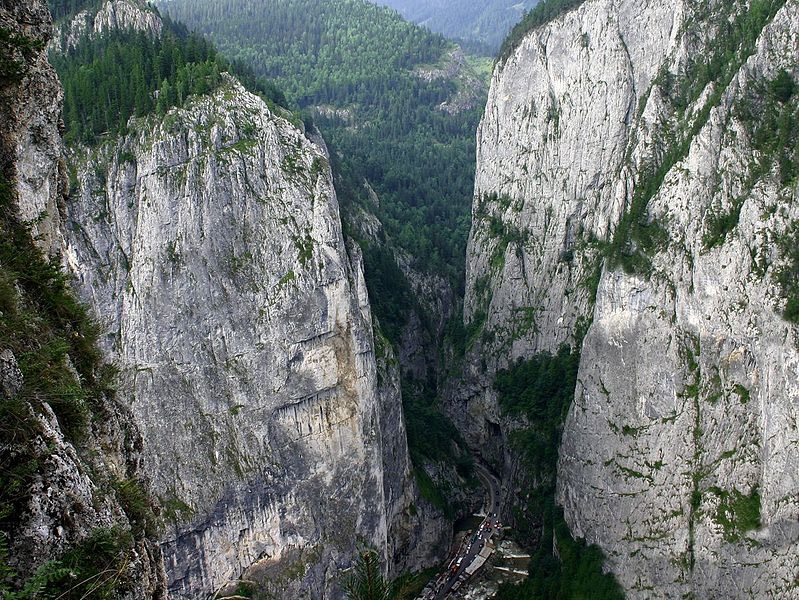
Lake Red is an appreciated starting point for hikes within the Cheile Bicazului-Hășmaș National Park. Several marked trails lead towards neighbouring ridges and the famous Bicaz Gorges, a narrow limestone ravine located a few kilometres downstream.
When to visit
The site can be visited year-round, but each season offers a different experience:
- Spring (April-June): surrounding forests turn green again and stream flow is strong, intensifying the red hues of the lake.
- Summer (July-August): the busiest season, ideal for hiking and boating excursions, but also the most touristy.
- Autumn (September-October): autumn foliage colours contrast with the lake's surface; more moderate visitor numbers.
- Winter: the lake freezes partially and the landscape takes on Nordic character. Access is more demanding depending on snowfall.
Practical information
- Site access: free, with paid parking near the main shore.
- Visit duration: allow 1 to 2 hours for a tour around the lake, longer if combined with the Bicaz Gorges.
- Equipment: hiking boots recommended, warm clothing even in summer (altitude cools evenings quickly).
- Services: small tourist station with accommodation, restaurants, and craft shops on the south shore.
How to get there
Lake Red is located in Harghita County, in eastern Transylvania, near the border with Romanian Moldavia. The main access points are:
- From Miercurea Ciuc (approx. 50 km): DN12C road towards the Bicaz Gorges.
- From Brașov (approx. 150 km): 3 to 4-hour journey via Gheorgheni.
- From Piatra Neamț (approx. 60 km): route through the Bicaz Gorges, one of the country's most scenic road journeys.
A car remains the most practical option. A few bus connections serve the region from Gheorgheni during the season.
What to see nearby
The region offers several interesting extensions to enrich your Romanian itinerary:
- The Creasta Cocoșului geological reserve, another remarkable natural site in the Romanian Carpathians.
- The wooden churches of Ieud, testimonies to the Maramureș's religious heritage.
- The Museum of Romanian Peasant Life in Dragomirești, to understand traditional rural life.
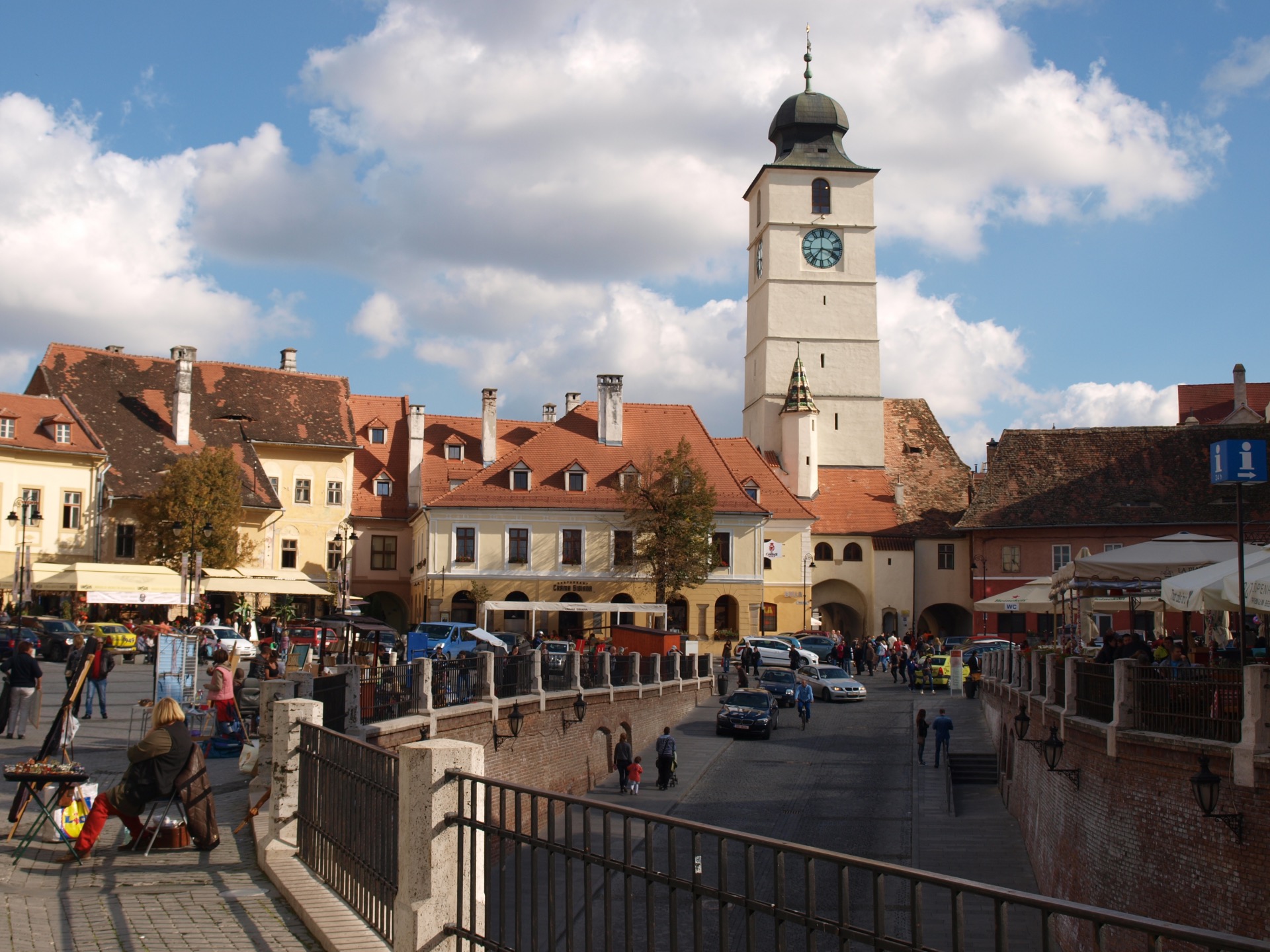
- The ASTRA ethnographic museum in Sibiu, one of Europe's largest open-air museums.
Prepare your journey
Lake Red integrates naturally into an itinerary combining Transylvania and northern Romanian Moldavia. To build a custom itinerary that includes this site and the Eastern Carpathians, consult our Romania travel suggestions.
Interested in this visit?
We can include it in your personalised itinerary.