The Bucegi Mountains
The Bucegi Mountains
A massif in the Southern Carpathians renowned for the Sphinx and Babele rock formations, the Bucegi Mountains offer high-altitude plateaus, hiking trails and Romanian mountain folklore.
The Bucegi Mountains form a massif in the Southern Carpathians of Romania, celebrated for its high-altitude plateaus, rock formations sculpted by erosion, and the legends surrounding them. Here stand the "Sphinx" and the Babele, two mineral silhouettes that have become emblems of the Romanian mountain landscape, accessible from the gateway towns of Bușteni and Sinaia.
Why visit the Bucegi Mountains
The massif combines several attractions that make it an essential stop during a stay in Romania:
- A high-altitude plateau easily accessible by cable car from Bușteni, opening the mountains to visitors without mountaineering experience.
- Natural rock formations—the Sphinx and the Babele—steeped in rich folklore.
- A network of marked trails allowing hikes from a few hours to several days, with panoramic views over the Prahova valley.
- Status as a protected natural park, preserving Carpathian fauna (chamois, marmots, raptors) and alpine flora.
- Proximity to other major sites in the region, including Peleș Castle in Sinaia and the city of Brașov.
Geology and folklore
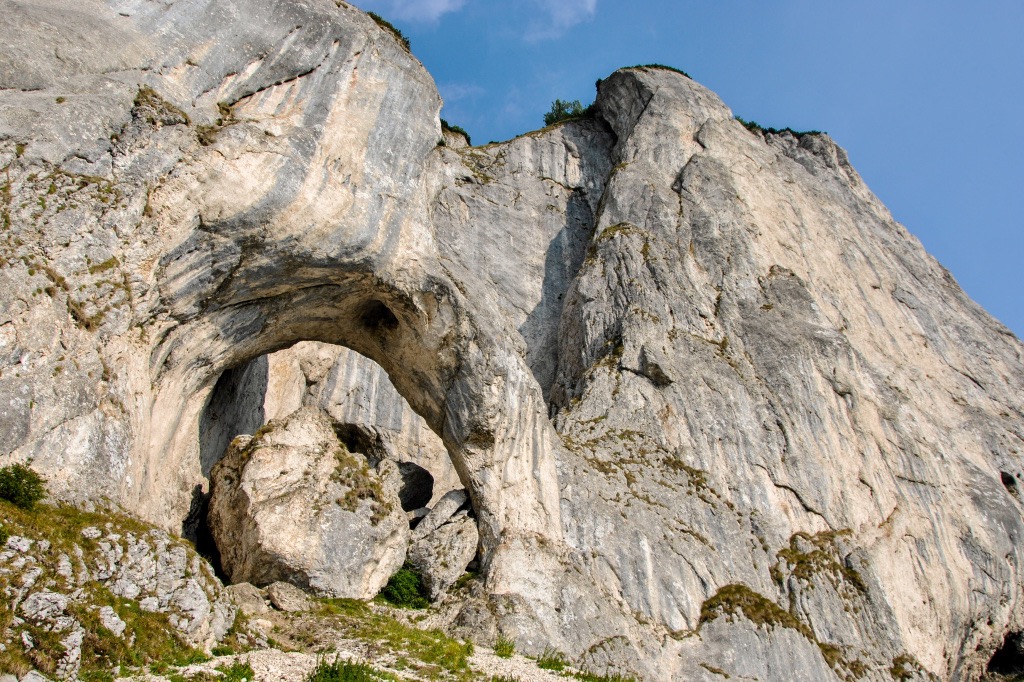
The Bucegi are a limestone and conglomerate massif whose relief has been shaped over millions of years by wind, frost, and precipitation. The "Sphinx," a natural rock formation in the Bucegi Mountains compared to the Egyptian Sphinx, is its most famous illustration: viewed from a certain angle, the boulder evokes a human face gazing toward the horizon. The Babele, literally "the Old Women" in Romanian, are a group of mushroom-shaped rocks nearby, shaped by the same differential erosion.
Beyond geology, the Bucegi are associated with folklore blending energy fields, UFOs, mountain spirits, the philosopher's stone, and solar pyramids. Some authors see in it a sacred place of the Dacians, an ancient people of the region, and contemporary accounts fuel the idea of an "energetic" site. This legendary dimension is an integral part of the massif's identity, without being its sole point of interest.
The massif is protected within the Bucegi Natural Park, created to preserve its landscapes, biodiversity, and cultural heritage.
What to see in the Bucegi
The Sphinx and the Babele
Located on the plateau at approximately 2,200 meters altitude, these two formations are connected by a short, flat trail from the upper station of the Bușteni cable car. This is the most frequented route in the massif.
Omu Peak
The highest point in the Bucegi at 2,505 meters, Omu is home to a refuge and meteorological station. It can be reached in several hours of hiking from the plateau via marked trails. The summit offers complete panoramic views of the Southern Carpathians.
Ialomița Monastery and Grotto
On the western slope of the massif, Ialomița Monastery nestles at the entrance of a limestone cave used as a religious retreat since the Middle Ages. The site can be visited and makes for a cultural stop during a hiking day.
Urlătoarea Waterfall
At the foot of the massif near Bușteni, this waterfall is accessible by a short forest trail, ideal for a half-day without gaining elevation.
When to visit
The massif can be visited year-round, but the experience varies significantly by season.
- Summer (June to September): the best period for hiking. The plateau and Omu trails are clear, temperatures are mild at altitude, and mountain refuges are open.
- Autumn (October): striking colors on forested slopes, but more unstable weather and possible early snow at altitude.
- Winter (December to March): abundant snow, access limited to equipped hikers. The Sinaia and Predeal stations offer alpine skiing on the massif's foothills.
- Spring (April-May): tricky transition, residual snow above 1,800 meters, trails sometimes closed.
In any season, mountain weather changes quickly: fog, summer storms, and temperature drops are frequent.
How to get there
The Bucegi are located approximately 130 km north of Bucharest, on the road and rail corridor linking the capital to Brașov.
- From Bucharest: 2 to 3 hours by road or train to Bușteni or Sinaia. The railway serves both towns.
- From Brașov: 30 to 45 minutes by train or car to Bușteni.
- From Sinaia: a cable car connects the town to the plateau, with an intermediate station around 1,400 meters.
- From Bușteni: a cable car climbs directly to approximately 2,200 meters, near the Sphinx and Babele. This is the quickest access to the heart of the massif.
The Transfăgărășan Road, another major Romanian mountain route, lies further west and can complement an itinerary through the Carpathians.
Practical information
- Equipment: hiking boots, windproof jacket and warm layers even in summer. Water and snacks for hikes beyond the plateau.
- Fees: free entry to the natural park; cable cars from Bușteni and Sinaia are paid, at moderate rates.
- Duration of visit: allow 2 to 4 hours for the plateau (Sphinx, Babele), a full day to reach Omu and return, several days for a traverse.
- Safety: marked trails are numerous but high mountains remain demanding. Check the weather before setting out and report your itinerary.
- Accommodation: Bușteni, Sinaia, and Predeal concentrate hotels, guesthouses, and chalets. Several mountain refuges (Omu, Caraiman) welcome hikers at altitude.
Nearby
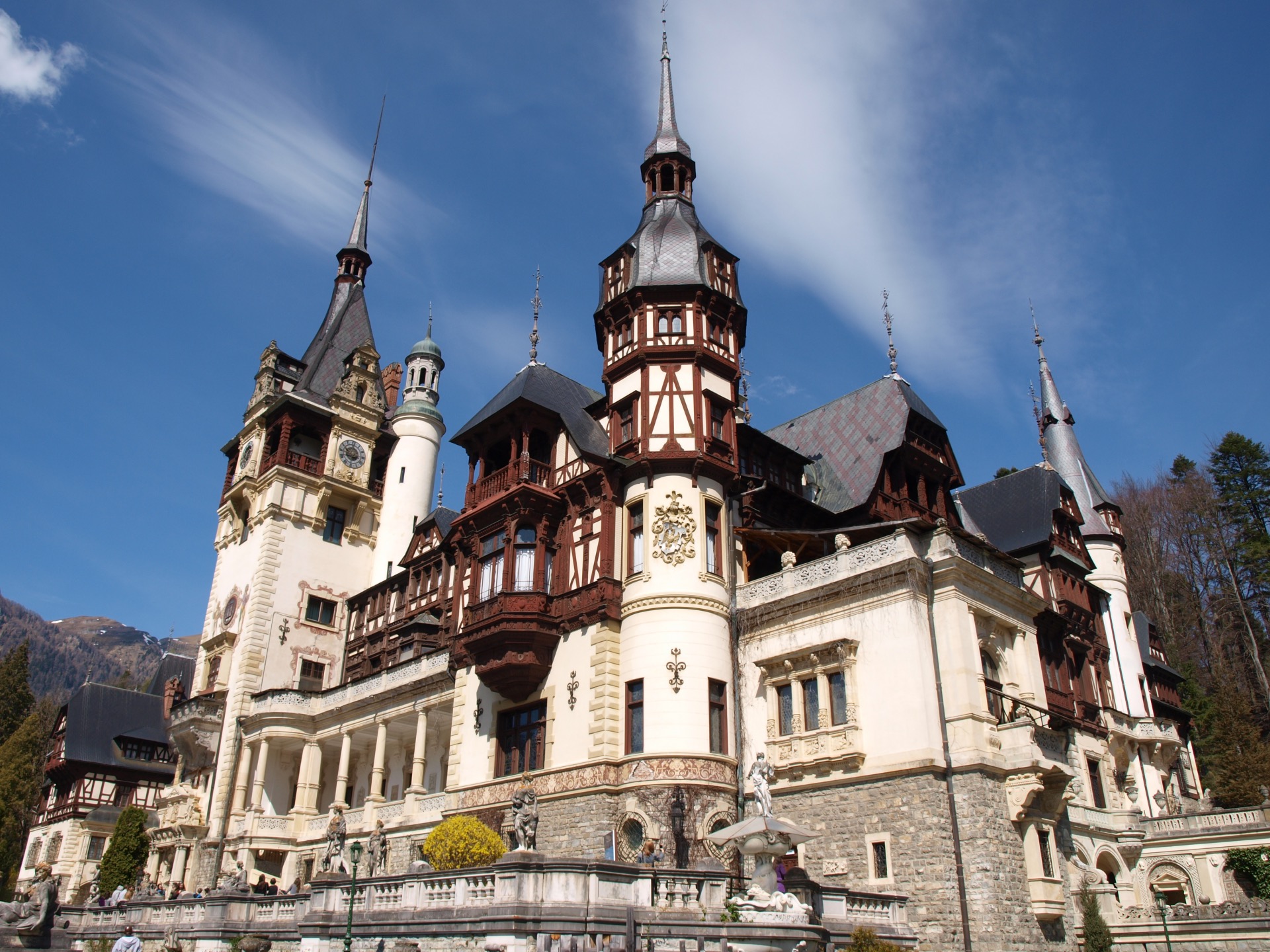
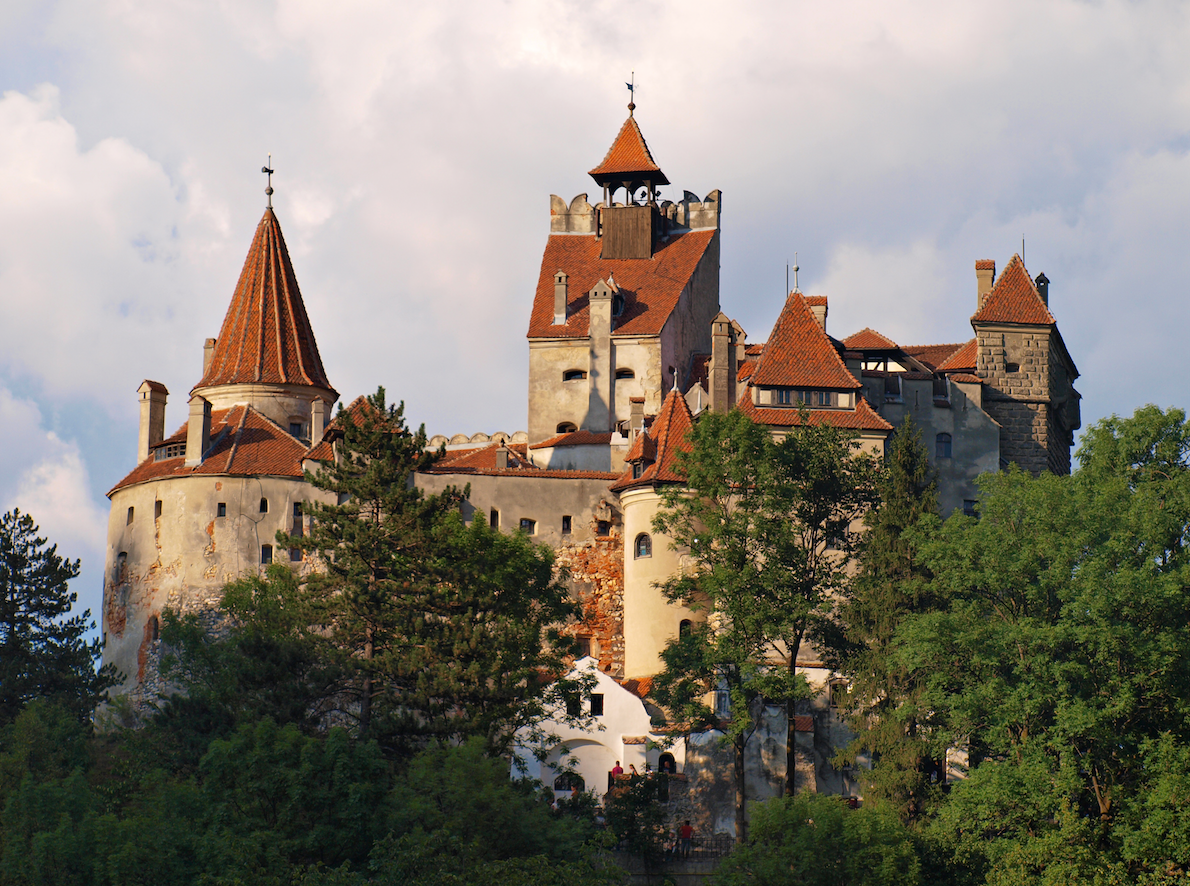
The Bucegi region is part of a rich tourist area. Sinaia is home to Peleș Castle, a former royal residence. Brașov, an hour to the north, opens onto medieval Transylvania and its Saxon towns. Further afield, Corvins Castle showcases Transylvanian Gothic architecture, while Salina Turda offers a surprising underground tour. To extend your mountain experience, the Transfăgărășan Road traverses the neighboring Făgăraș range.
Frequently asked questions
Frequently asked questions
Including the Bucegi in your trip
The Bucegi Mountains fit naturally into an itinerary between Bucharest, the Prahova valley, and Transylvania. To build a custom itinerary including the massif and its surroundings, explore our Romania travel packages.
Interested in this visit?
We can include it in your personalised itinerary.