Marginea Village
Marginea Village
Marginea, in Romanian Bucovina, perpetuates a tradition of black pottery of Dacian origin using techniques inherited from the Neolithic period.
Marginea is a village in Bucovina, in northeastern Romania, known for its black pottery. Located a few kilometers from the Sucevița monastery, this locality in Suceava county perpetuates an ancient ceramic technique, handed down from generation to generation within a handful of family workshops.
Why Visit Marginea?
The village holds a dual appeal for travelers. First, it offers a rare vantage point on a living craft tradition: reduction firing, which gives the clay its characteristic black color. Second, it sits on the route of Bucovina's painted monasteries, listed as UNESCO World Heritage sites, making it a natural complementary stop on a regional circuit.
- Visits to working pottery studios
- Demonstrations of wheel-throwing and firing
- Direct purchases from artisans
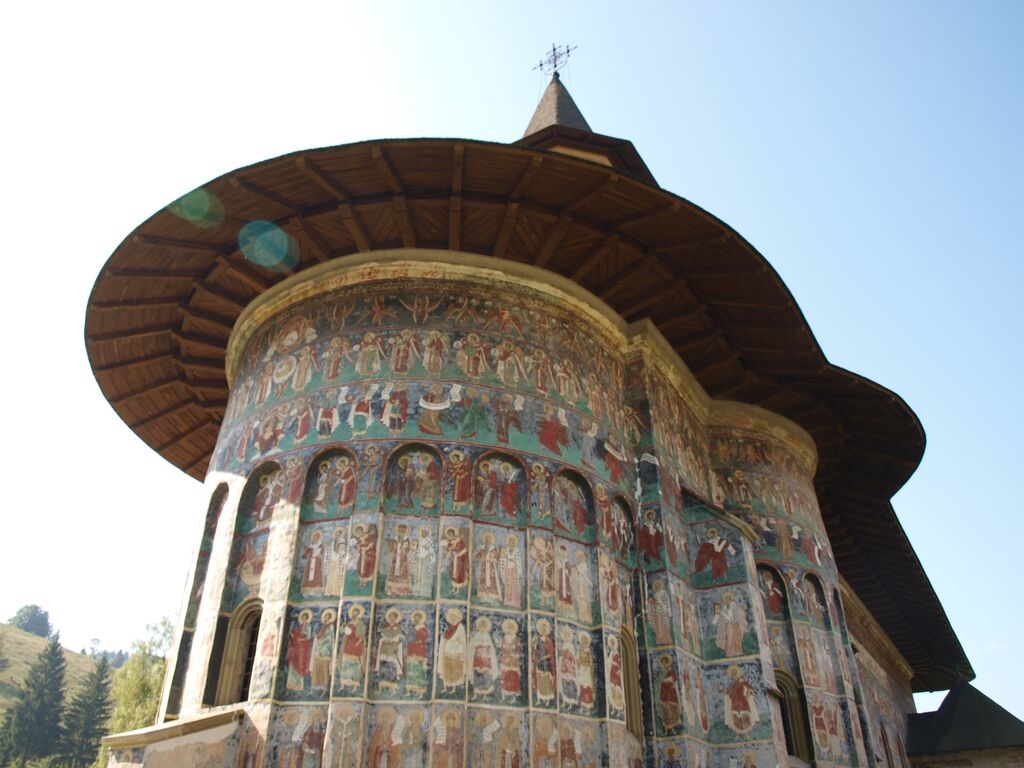
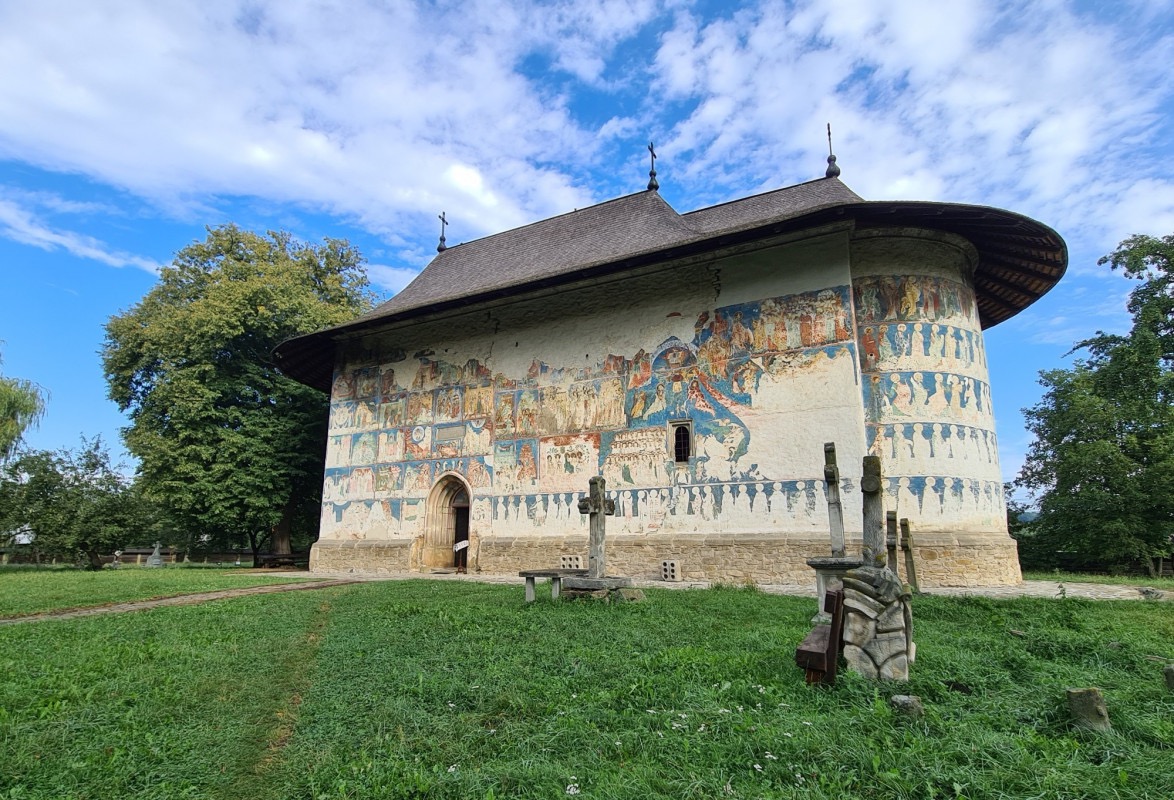
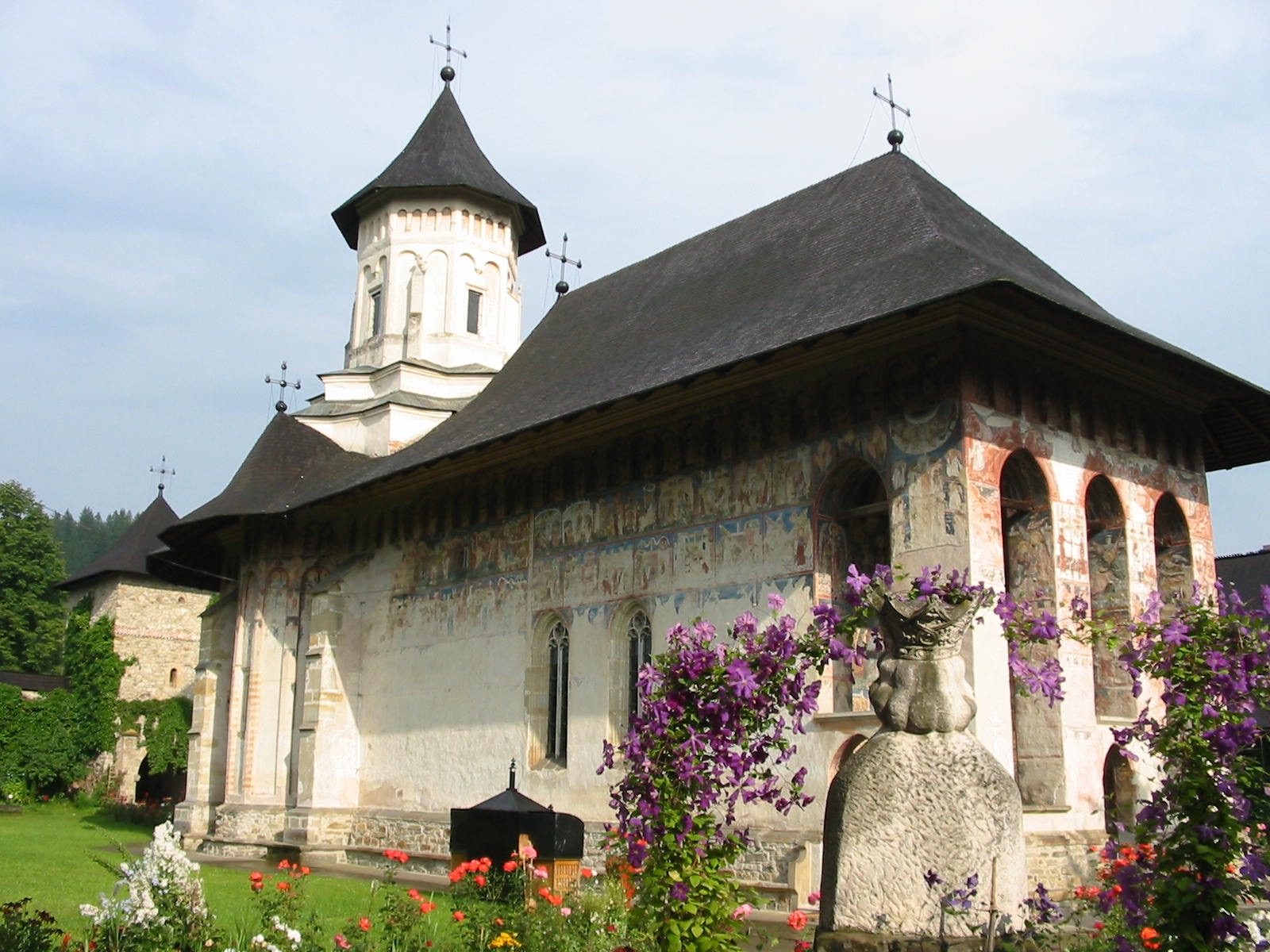
- Immediate proximity to the Sucevița and Putna monasteries
An Ancient Ceramic Tradition
Marginea pottery is rooted in an indigenous tradition of Dacian origin, historically present in Moldova and eastern Transylvania. The techniques used here have preserved the essential traits they possessed in the Neolithic period, giving this production particular ethnographic value that has been extensively studied by Romanian researchers.
Marginea is today considered the main village to have perpetuated this tradition at the community level, even though a few other centers of black pottery survive sporadically throughout Romania. The studios function as small family units, with clearly defined task distribution: men generally handle wheel-throwing and firing, while decorations—geometric motifs polished with stone—are produced mainly by women.
The Reduction Firing Process
The black color of the pieces does not come from a glaze, but from the firing process itself. At the end of firing, the kiln is hermetically sealed and deprived of oxygen: smoke then penetrates the clay and gives it its dark hue, ranging from gray to deep black. The burnished decorations are obtained by rubbing the surface with a smooth stone before firing, creating a matte/lustrous contrast without any added pigment.
What to See and Do
The village is organized around its main street, where several studios welcome visitors. Most offer a similar experience:
- Wheel-throwing demonstrations on traditional wheels, sometimes led by the master potter himself
- Kiln tours and explanations of reduction atmosphere firing
- Sales space displaying jugs, bowls, vases and decorative pieces
- Participatory workshops in some homes, by prior arrangement
The most typical pieces are water jugs, flat-bottomed dishes adorned with spirals, and large decorative pots. Recurring motifs—suns, waves, broken lines—reflect an ancient ornamental repertoire common to several ceramic cultures of central Europe.
Practical Information
- Visit duration: allow 1 to 2 hours to visit one or two studios and make purchases
- Fees: studio entry is usually free or a modest contribution; pieces sold cover a wide range of prices depending on size and finish
- Recommended season: May to September, when studios are most active and Bucovina roads are easily passable
- Language: Romanian primarily, sometimes basic English or French in the most visited studios
How to Get There
Marginea is located in Suceava county, approximately 40 km northwest of Suceava city and just a few kilometers from Rădăuți. Car travel remains the most practical way to reach the village, ideally as part of a circuit encompassing the painted monasteries. Minibus connections exist from Rădăuți, but their frequency is limited and best suit travelers with flexible schedules. Suceava airport (Salcea) is the nearest for international travelers.
What to Combine in the Region
Marginea fits naturally into a broader itinerary dedicated to Romanian heritage. Several cultural and natural sites merit being paired with this stop:
- The ASTRA Ethnographic Museum in Sibiu, to place Marginea pottery within the broader context of Romanian craft traditions
- The wooden churches of Ieud, in neighboring Maramureș, another landmark of vernacular architecture
- The Museum of the Romanian Peasant in Dragomirești, an ethnographic complement on rural life
- The Creasta Cocoșului geological reserve, for a nature break in the Gutâi mountains
Include Marginea in Your Journey
A stop at Marginea fits easily into a Bucovina circuit, between painted monasteries, traditional villages and the Eastern Carpathians landscape. To build a tailor-made itinerary including this artisan stop, explore our Romania travel proposals.
Nearby
Interested in this visit?
We can include it in your personalised itinerary.