The village of Maldaresti
The village of Maldaresti
In Oltenia, the village of Maldaresti preserves two cule, fortified mansions of boyars, including the Duca residence dated 1827, still furnished with original furnishings.
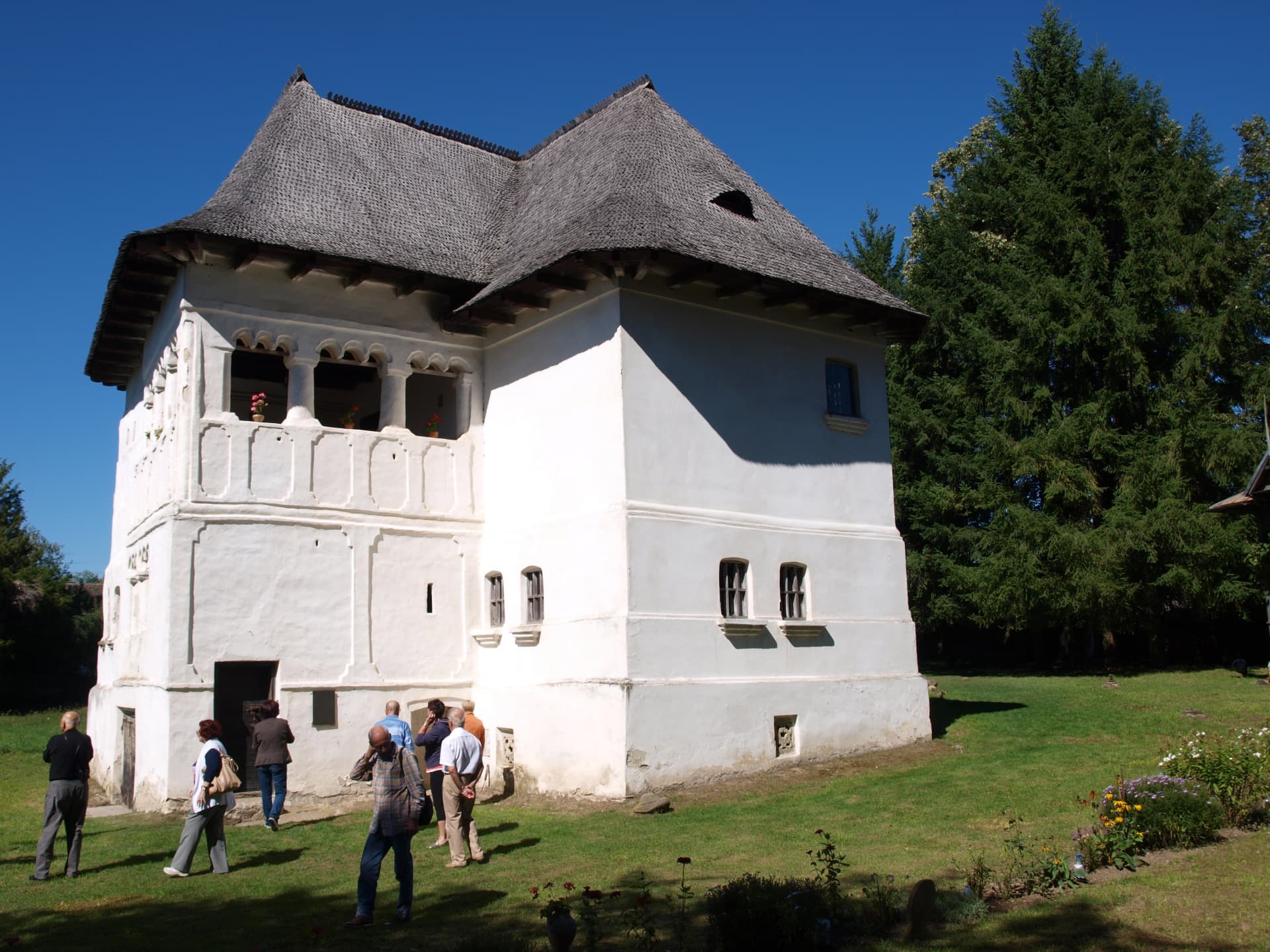
At the heart of Oltenia, in Vâlcea county, the village of Maldaresti preserves a rare type of architecture in Europe: the cule, these fortified mansions built by boyars between the 18th and 19th centuries. The village's museum complex brings together two of these fortified residences in remarkable condition, bearing witness to an era when rural Romanian nobility had to combine domestic comfort with armed defense.
Why visit Maldaresti
The village is among the rare sites in Romania where one can understand, on a single site, the way of life of Oltenian boyars. Unlike the painted churches of Bucovina or the wooden houses of Maramureș, the cule tell a lesser-known story: that of a rural aristocracy living under the constant threat of Ottoman incursions and armed gangs. Maldaresti brings together two cule classified as historical monuments, one of which is still furnished with its original furniture.
The visit takes place in a well-preserved rural setting, away from the main tourist circuits, which allows you to explore the site without crowds. Plan on one to two hours to tour the entire complex.
History of the village and its cule
The word cula comes from the Turkish kule, which designates a tower. These buildings of stone, tall and squat, with thick walls pierced by gun slits, appear in Oltenia in the 18th and 19th centuries, a period of instability marked by raids from the pandurs and political turmoil between the Ottoman Empire and the Austro-Hungarian Empire. Local boyars, landowners, made them both their residence and their last refuge in case of attack.
One of the finest cule in Maldaresti, still furnished, dates from 1827. It belonged to the Duca family, from which Ion G. Duca emerged, a former student at the Sorbonne, who served several times as minister and then Prime Minister of Romania. He was assassinated on the platform of Sinaia railway station in December 1933 by a commando of the Iron Guard, a Romanian fascist movement that blamed him for having the organization banned. This episode thus links the cula to a turning point in Romanian political history between the wars.
The second residence of the complex, the cula Greceanu, is older (late 17th century) and features restored interior frescoes.
What to see on site
- The Duca cula (1827): furnished with its original furniture, it offers a glimpse into the interior of a boyar's residence with its carpets, sculpted chests, icons and dark wood furniture.
- The Greceanu cula: older, it preserves murals and illustrates the transition between pure defensive architecture and aristocratic residence.
- The wooden church of the village, modest but representative of rural religious art in Oltenia.
- The rural surroundings: orchards, old agricultural outbuildings, hilly landscapes typical of the foothills of the southern Carpathians.
Practical information
The museum complex is open year-round, with reduced hours in winter. Visits to the interiors are guided; it is helpful to plan for an English-speaking guide as the labels are mainly in Romanian. Entrance fees remain moderate.
The best visiting conditions are from spring to autumn, when the gardens and surrounding landscapes are accessible on foot. Interior photography may be subject to an additional fee.
How to get there
Maldaresti is located approximately 15 km north of Horezu, in Vâlcea county, along route DN67 which connects Râmnicu Vâlcea to Târgu Jiu. From Bucharest, plan on approximately 200 km of road, or three to four hours of travel. A car remains the most practical means: public transport serves Horezu, but the final stretch to Maldaresti is more easily reached by private vehicle or taxi.
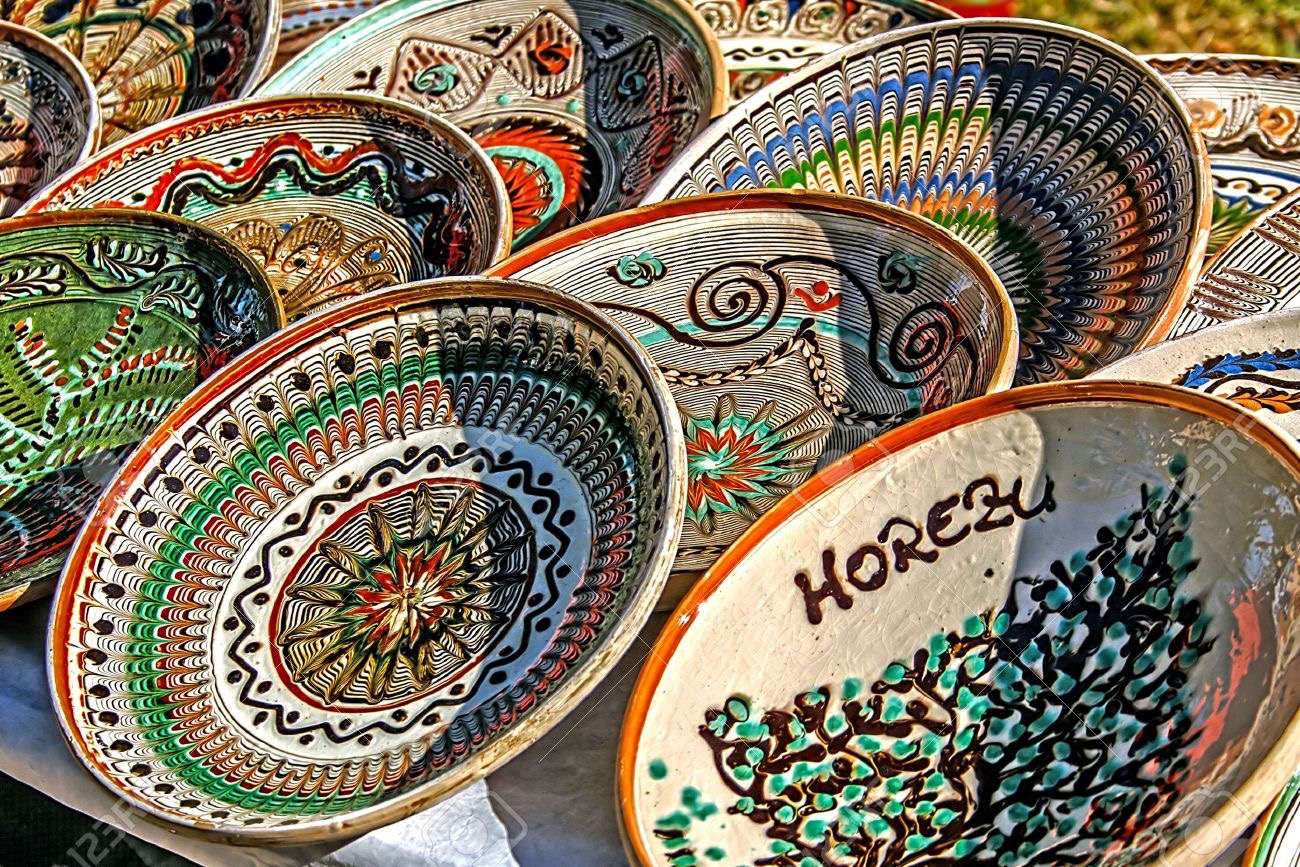
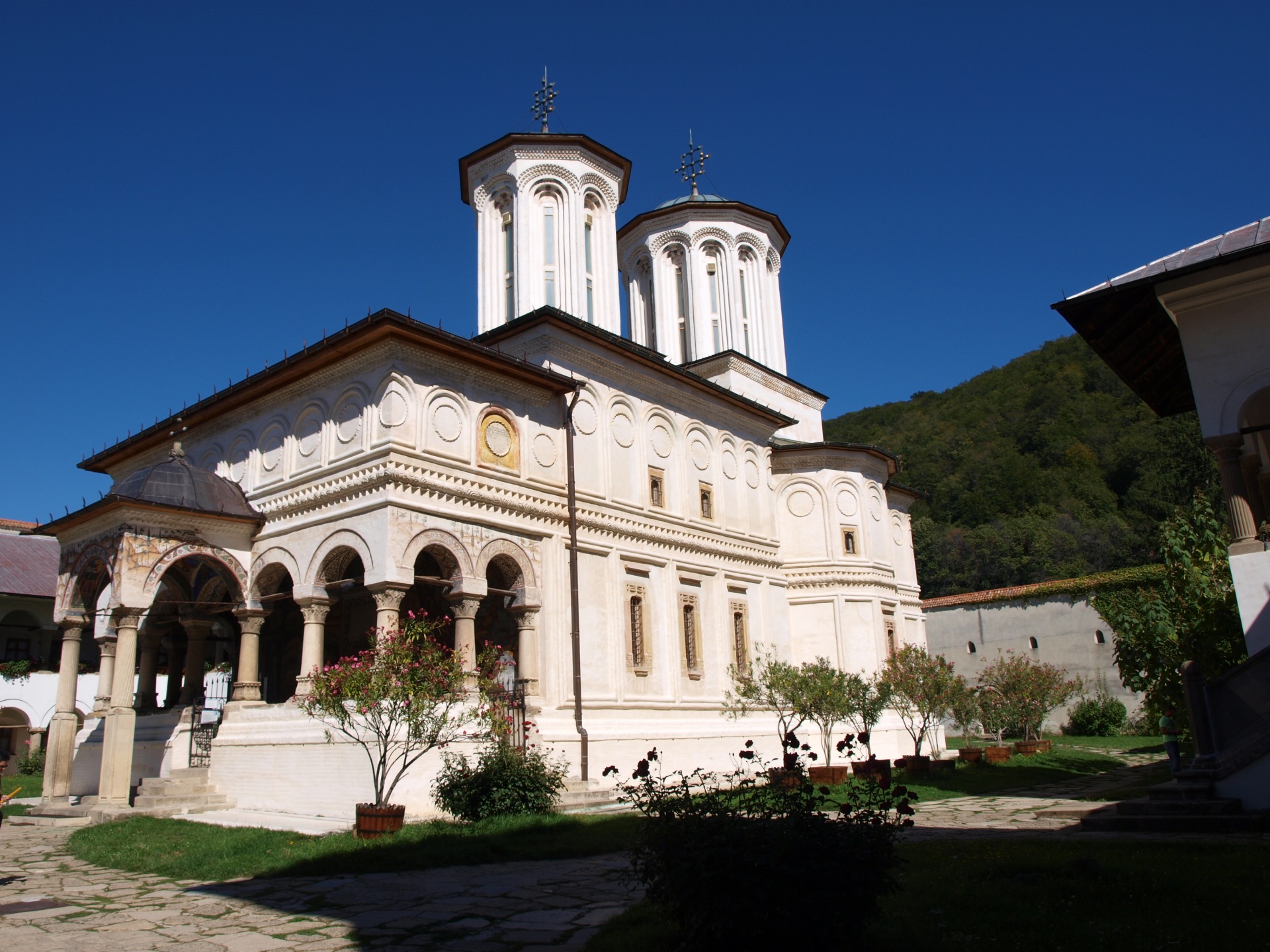
A combined visit with the Horezu monastery, a UNESCO-listed site, makes sense for a full day.
What to see nearby
- The Horezu monastery, a jewel of Brancovan art, about twenty minutes by car.
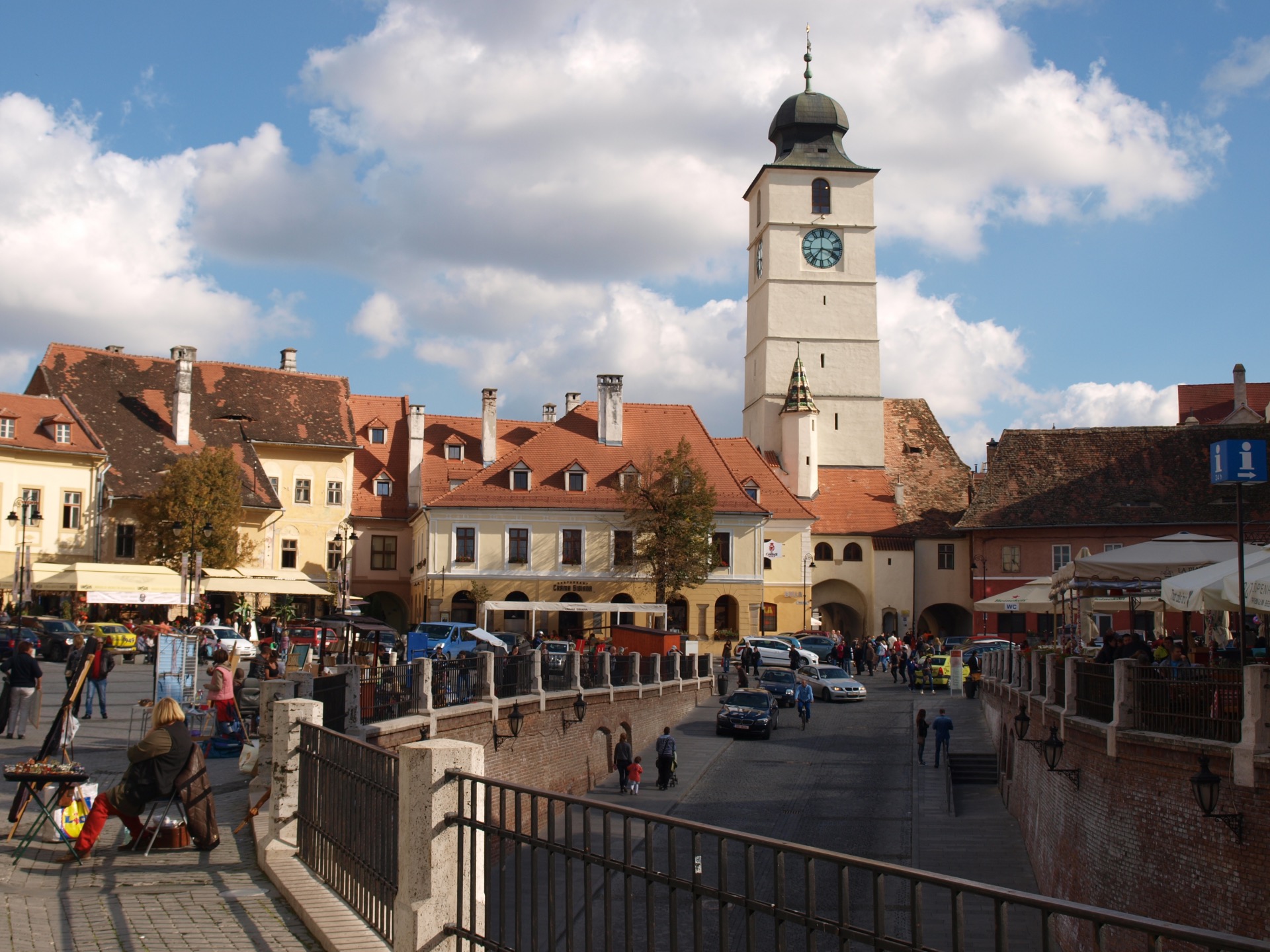
- The ASTRA Ethnographic Museum in Sibiu, to further explore Romanian rural heritage in an open-air setting.
- The Museum of the Romanian Peasant Woman in Dragomirești, complementary to understanding traditional peasant life.
- The wooden churches of Ieud, another facet of Romanian rural architecture.
Prepare your trip
Maldaresti fits naturally into an itinerary through Oltenia and southern Transylvania, between religious heritage, traditional villages and Carpathian landscapes. To build a coherent tour, consult our trips to Romania.
Interested in this visit?
We can include it in your personalised itinerary.