Horezu Monastery
Horezu Monastery
Founded in 1690 by Prince Brâncoveanu and designated a UNESCO World Heritage site, Horezu Monastery stands as the masterpiece of Brâncovenesc style, nestled in Romanian Oltenia.
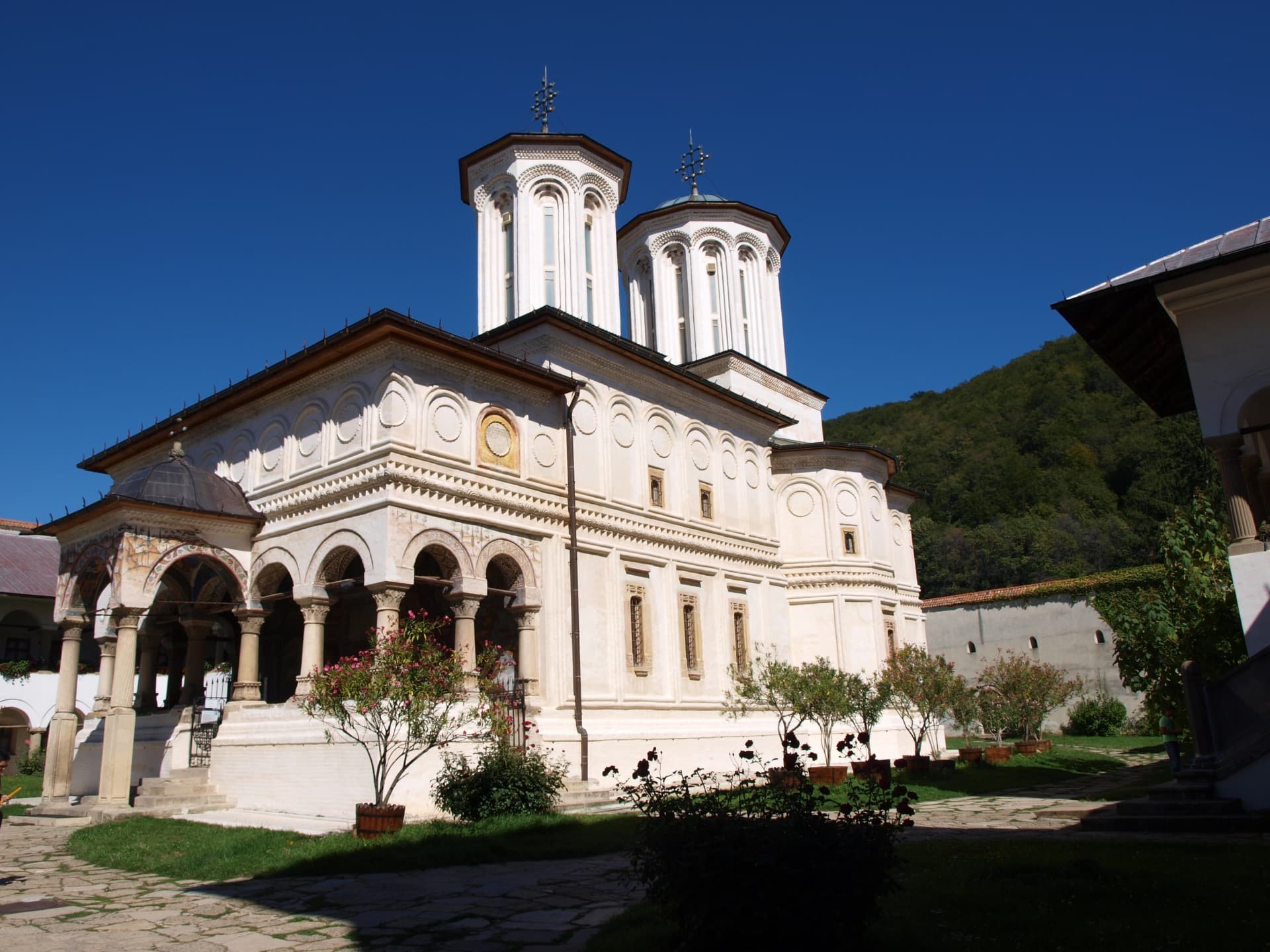
Horezu Monastery, sometimes called Hurezi Monastery, rises at the foot of the southern Carpathians in Vâlcea County. Founded in 1690 by Prince Constantin Brâncoveanu in the locality of Romanii de Jos, now part of the town of Horezu, it stands as a masterpiece of "Brâncovenesc style" and has been inscribed on the UNESCO World Heritage list since 1993. It ranks among the most refined Orthodox monastic complexes in Wallachia.
Why Visit Horezu Monastery
Horezu encapsulates within a single site the artistic identity of Romania in the late 17th century. The "Brâncovenesc style," an original synthesis of Byzantine traditions, Ottoman influences, and Italian Renaissance elements, reaches its most refined expression here. For travelers drawn to religious art, architecture, and Balkan history, the visit offers a comprehensive overview: the central church, the paraclis, outbuildings, monastic cells, and library all testify to a coherent cultural vision championed by voivode Brâncoveanu.
The site remains active today: a community of Orthodox nuns lives here and maintains the buildings. This spiritual continuity, combined with its UNESCO designation, makes a visit worthwhile for anyone exploring Oltenia or traveling to Transylvania from the south.
History of the Monastery
A princely foundation
Construction began in 1690 under the direction of Constantin Brâncoveanu, Prince of Wallachia from 1688 to 1714. The core monastic complex was built between 1690 and around 1697, with further additions throughout the 18th century. The name "Hurezi" derives from the Romanian word "huhurez," referring to the tawny owl that inhabits the surrounding forests.
For Brâncoveanu, the monastery represented an act of piety, a political symbol, and a future family burial site. Tombstones prepared for the prince and his family still stand in the narthex of the main church, though Brâncoveanu himself, executed in Constantinople in 1714 along with his four sons, was never interred there.
A cultural hub
From its inception, Horezu functioned as an artistic and intellectual workshop. The painting school that developed here trained fresco artists for all of Wallachia. The library, one of the most important in the principality, housed Greek, Slavonic, and Romanian manuscripts. The monastery thus became a center of transmission, explaining the consistently high quality of the decorative work observed on site.
What to See
The main church (catholicon)
Dedicated to the holy emperors Constantine and Helena, the central church is the major architectural element. Its trefoil plan, open portico with sculpted columns, and interior frescoes from 1694, attributed to the workshop of Constantinos and Ioan, perfectly exemplify "Brâncovenesc style." The narthex contains a votive portrait depicting Brâncoveanu, his family, and his Cantacuzene predecessors—a valuable iconographic document for understanding the dynastic relationships of the era.
Chapels and auxiliary buildings
Surrounding the fortified enclosure are several structures worth exploring:
- the paraclis (small chapel) integrated into the convent buildings, adorned with early 18th-century frescoes;
- the Hermitage of the Holy Apostles, situated on higher ground a short walk away;
- the Hermitage of Saint Stephen, founded for Brâncoveanu's eldest son;
- the vaulted kitchens, a rare example of utilitarian architecture from the period;
- the historic library and small museum displaying icons, manuscripts, and liturgical objects.
Sculpture and decorative arts
The capitals, balustrades, and stone door frames form an ornamental repertoire unique to Brâncovenesc style: interlacing foliage, rosettes, and stylized floral motifs. Pay particular attention to the sculpted columns of the portico, a pinnacle of late 17th-century Romanian sculpture.
Practical Information
The monastery may be visited free or for a modest contribution, depending on the area (museum, temporary exhibitions). Plan for 1.5 to 2.5 hours to explore the main complex and one of the nearby hermitages. Dress covering shoulders and knees is required; wraps are sometimes provided at the entrance. Photography without flash is generally permitted outdoors, though restricted inside the church.
Silence is requested within the convent grounds, particularly during office hours. An English-speaking guide can be arranged in advance through a local agency to better interpret the frescoes.
When to Visit
May through October offers the best visiting conditions, with ideal lighting for exterior frescoes and pleasant weather in the Carpathians. May–June and September allow you to avoid peak summer crowds. In winter, the site remains accessible, though secondary roads may be snow-covered and some outlying hermitages more difficult to reach. Major Orthodox festivals (Easter, the feast of saints Constantine and Helena on May 21st) draw numerous pilgrims: the atmosphere is intense, but regular sightseeing becomes challenging on these days.
How to Get There
Horezu lies in Vâlcea County along the DN67 road connecting Râmnicu Vâlcea to Târgu Jiu. From Bucharest, plan for approximately 4 hours by car via the A1 and DN7. From Sibiu, access is via the spectacular Transalpina road (DN67C) in summer, or via Râmnicu Vâlcea outside the season. The monastery sits 3 km north of central Horezu, accessible by car, taxi, or on foot via a gently sloping road. Public transportation serves the town of Horezu but not the monastery directly.
Nearby Attractions
The Oltenia region and rural Romanian areas offer several worthwhile extensions:
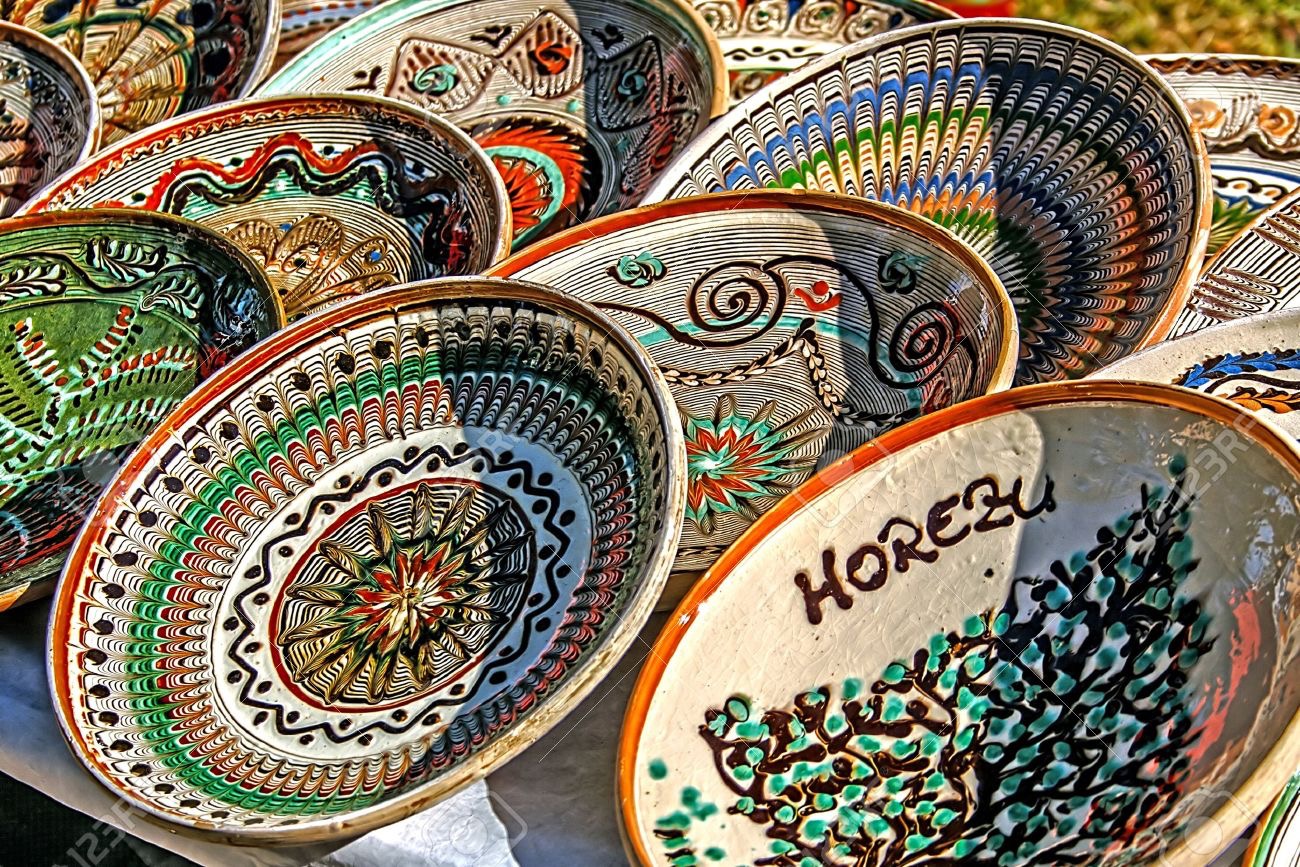
- the Horezu pottery workshops, designated UNESCO intangible heritage, located in the town itself;
- the ASTRA Ethnographic Museum in Sibiu, essential for understanding Romanian vernacular architecture;
- the wooden churches of Ieud in Maramureș, another facet of UNESCO religious heritage;
- the Museum of the Romanian Peasant at Dragomirești, an ethnographic complement;
- the Creasta Cocoșului geological reserve for a nature break in the Carpathians.
Frequently Asked Questions
Frequently asked questions
Yes. A community of Orthodox nuns resides here permanently and conducts daily services, which does not prevent visitors from accessing the publicly open areas.
It represents the finest expression of "Brâncovenesc style," an original synthesis of Byzantine, Ottoman, and Italian Renaissance traditions, and constitutes an exceptionally well-preserved architectural and pictorial ensemble from the late 17th century.
Clothing covering the shoulders and reaching below the knee is required for both men and women. Wraps can be provided at the entrance for visitors who are not appropriately dressed.
Plan for approximately 1.5 to 2.5 hours to tour the main church, convent buildings, small museum, and one of the nearby hermitages.
Yes. The town of Horezu features UNESCO-designated pottery workshops, and the region allows you to continue to Transylvania via the Transalpina road in summer, connecting with Sibiu and its ASTRA museum.
Including Horezu in Your Itinerary
Horezu Monastery fits naturally into an itinerary linking Wallachia to Transylvania via the southern Carpathians. To build a route combining UNESCO heritage, traditional villages, and mountain scenery, consult our Romania travel suggestions crafted with our local specialists.
Interested in this visit?
We can include it in your personalised itinerary.