Alexandru Borza Botanical Garden
Alexandru Borza Botanical Garden
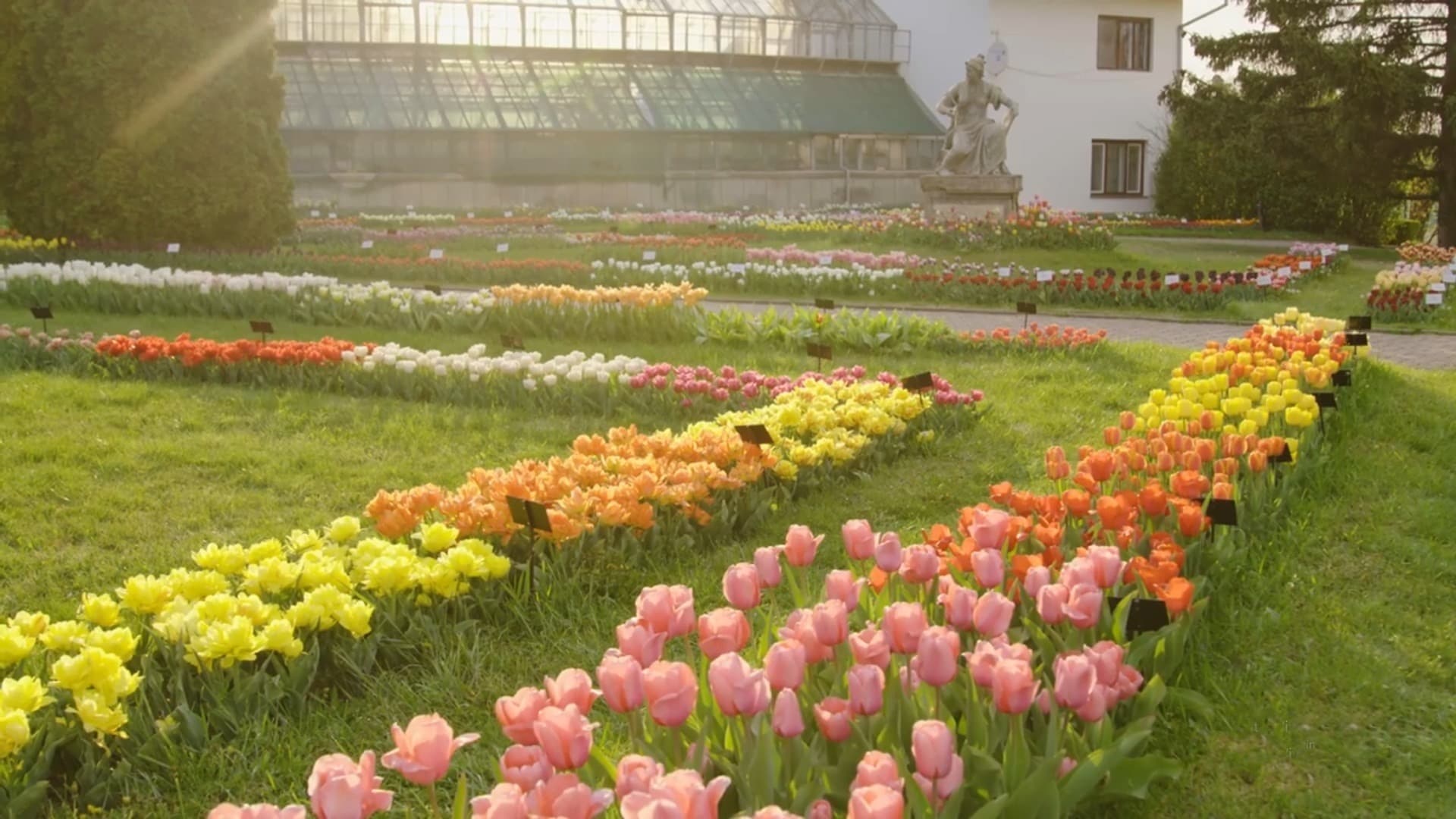
Founded in 1920 by botanist Alexandru Borza, this 14-hectare garden in Cluj showcases more than 10,000 plant species from around the world.
The Alexandru Borza Botanical Garden in Cluj-Napoca houses more than 10,000 plant species across approximately 14 hectares. Affiliated with Babeș-Bolyai University, it combines scientific purpose, botanical conservation and public enjoyment in the heart of Transylvania's historic capital.
Why visit Cluj's Botanical Garden
It ranks among Central Europe's oldest and most comprehensive botanical gardens. Its diversity stems from rigorous organization—a legacy of its founder—that arranges plants by geographic origin and scientific classification. Here you'll discover both local Carpathian species and Mediterranean, Asian and tropical vegetation.
The site also provides a verdant retreat spanning several hectares within the city, mere minutes from Cluj's historic centre. Families, amateur botanists and travellers seeking tranquility converge here throughout the growing season.
History: the founding by Alexandru Borza
The garden was founded in 1920 by Professor Alexandru Borza, following Transylvania's union with Roumanie and the establishment of Cluj's Romanian university. A botanist and major figure in 20th-century Romanian science, Borza envisioned equipping the nascent university with a reference garden—simultaneously a research tool and space for public education.
Today the garden remains affiliated with Babeș-Bolyai University in Cluj. Its organization still rests on scientific plant classification and phytogeography, the founding principle established by Borza over a century ago. The garden officially bears his name since his death in 1968.
What to see in the garden
The route unfolds across several themed sections, typically connected by paths and stairs that follow the site's rolling topography.
The Japanese garden
Arranged around a small pond crossed by a wooden bridge, it evokes traditional Japanese gardens with stone lanterns, Japanese maples and bamboo groves. This is among the park's most photographed spaces.
The Roman garden
This section stages Roman-era archaeological fragments—stelae, columns, inscriptions—partly sourced from ancient Napoca, surrounded by plantings evoking Mediterranean flora cultivated by the Romans: bay laurel, cypress, olive.
The tropical greenhouses
Multiple greenhouses shelter exotic plant collections: palms, tree ferns, orchids, carnivorous plants, cacti and succulents. The grand waterlily greenhouse, featuring Victoria amazonica with its giant leaves, draws particular attention in summer.
The systematic and phytogeographic sections
True to Borza's vision, these areas present plants by botanical family or region of origin: Carpathian flora, steppe, taiga, Mediterranean. This represents the garden's most educational component.
The observation tower
A tower located in the upper section of the property offers panoramic views across the entire garden and over Cluj's rooftops.
When to visit
The best period spans late April through early October, when outdoor collections flourish. Blooms succeed one another: tulips and lilacs in spring, roses and Mediterranean plants in summer, brilliant maples in autumn. The greenhouses remain worthwhile year-round, offering welcome refuge on rainy or cold days.
Plan for 2 to 3 hours for a leisurely visit, longer if you're passionate about botany or photography.
Practical information
- Address: Strada Republicii 42, Cluj-Napoca
- Hours: daily opening, typically morning through late afternoon; greenhouses close earlier than the outdoor park. Verify current hours before your visit.
- Admission: moderate entrance fee, modest surcharge for greenhouses and the botanical museum. Reduced rates for students and children.
- Accessibility: the terrain is hilly with numerous stairs, which makes certain areas challenging to access by wheelchair or with a stroller.
How to get there
The garden lies roughly 15 minutes' walk southwest of Union Square (Piața Unirii), Cluj's historic centre. Multiple bus lines serve the neighbourhood. By car, parking is available on surrounding streets, though it may be crowded in summer. Cluj-Napoca connects to Bucharest and several European capitals via its international airport, situated about ten kilometres away.
What else to see nearby
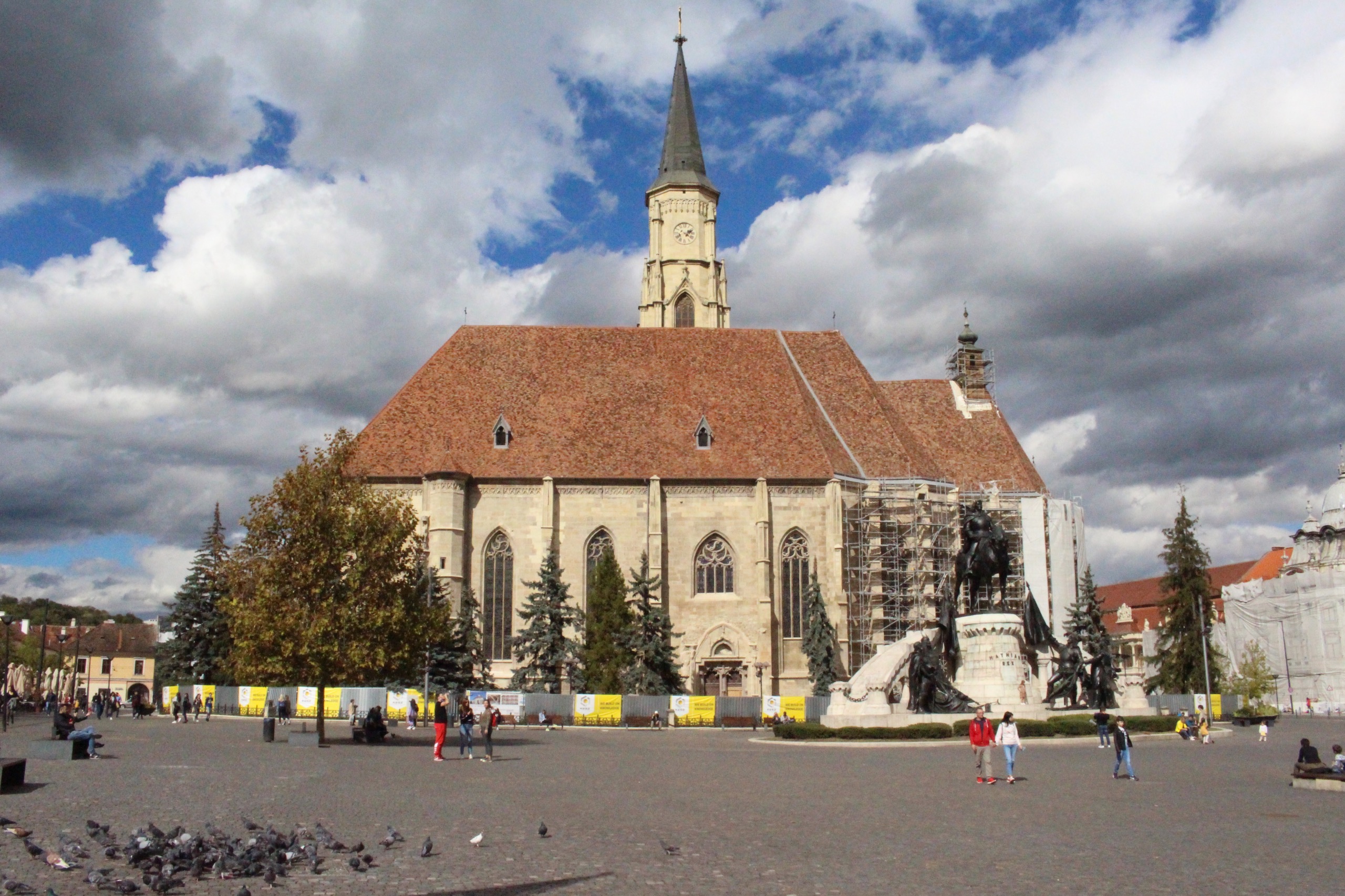
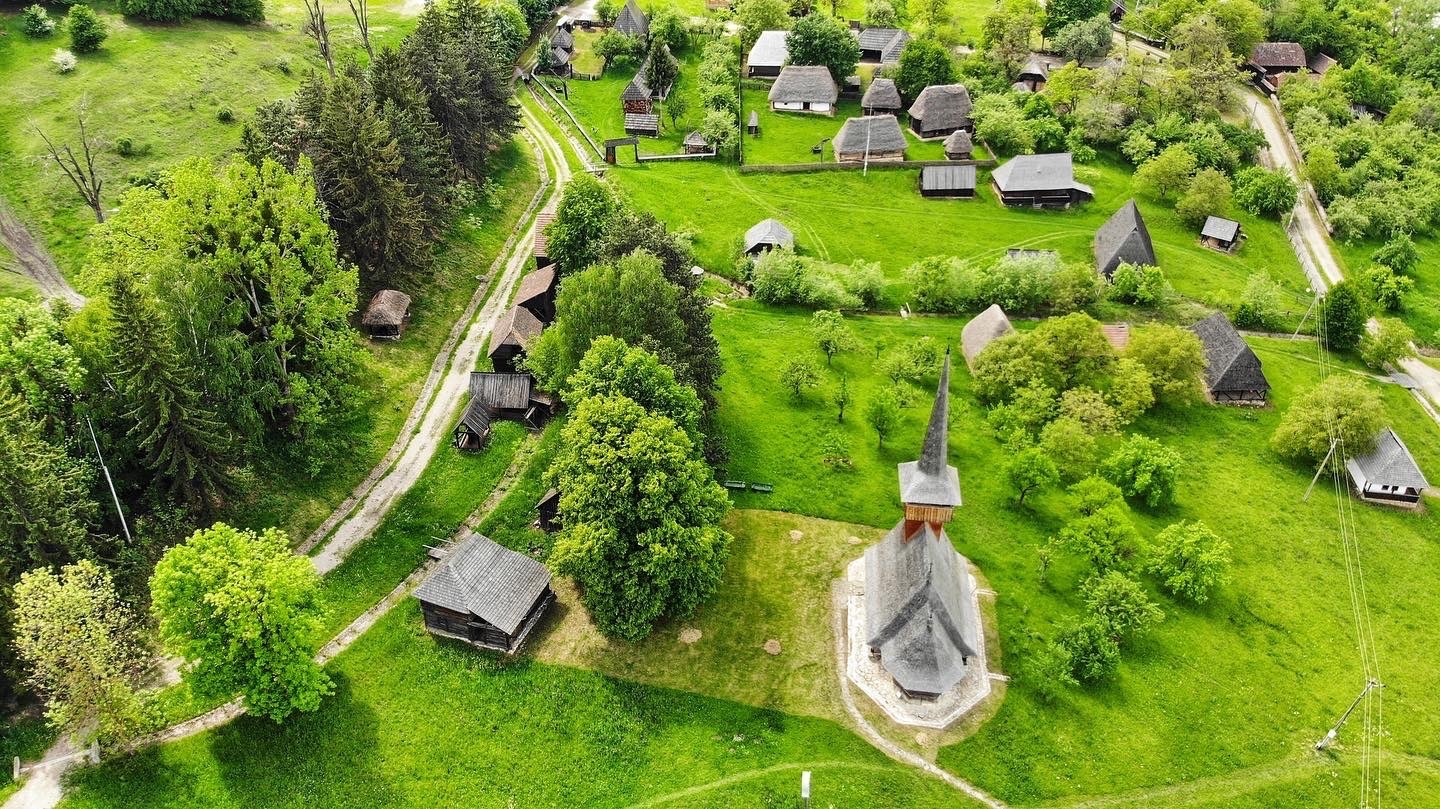
The visit pairs easily with other Cluj sites: the Saint Michael Cathedral, Bánffy Palace or the Transylvania Museum of Ethnography. To deepen your exploration of Romanian traditions, the ASTRA Ethnographic Museum in Sibiu and the wooden churches of Ieud in Maramureș offer striking contrast with Cluj's academic atmosphere.
Frequently asked questions
Frequently asked questions
Plan 2 to 3 hours to explore the main sections, including the greenhouses. Botany enthusiasts may spend half a day.
Yes, though the experience varies significantly by season. Outdoor collections peak from April through October. In winter, only the tropical greenhouses offer genuine appeal.
Alexandru Borza (1887-1971) was a leading Romanian botanist and professor at Cluj University. He founded the garden in 1920 and structured it according to phytogeographic principles.
Yes, the Japanese garden's pond, tropical greenhouses and observation tower typically delight younger visitors. Wear sturdy shoes—the terrain is hilly.
Including Cluj in your Roumanie journey
Cluj-Napoca, Transylvania's cultural capital, warrants a minimum two-day stay. To incorporate the city and its botanical garden into a comprehensive itinerary, consult our Roumanie travel suggestions.
Nearby
Interested in this visit?
We can include it in your personalised itinerary.