Retezat Mountains
Retezat Mountains
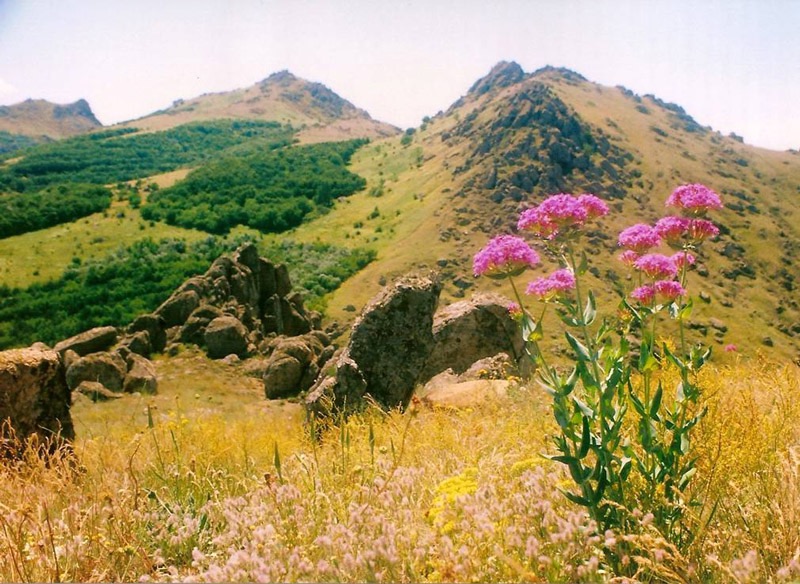
Romania's oldest national park, Retezat brings together glacial lakes, 2,500-meter summits and Carpathian wildlife within a massif in the Southern Carpathians.
A massif in the Southern Carpathians located in western Romania, the Retezat Mountains are home to one of the country's oldest national parks, established in 1935. This high mountain territory, dotted with around fifty glacial lakes, attracts hikers, mountaineers and naturalists in search of wild spaces still preserved from major tourist flows.
Why visit the Retezat Mountains
Retezat National Park covers approximately 380 km² and concentrates rare geological and biological diversity in Europe. The massif peaks at 2,509 meters at the Peleaga summit and includes some twenty peaks exceeding 2,200 meters. Its most striking feature remains its network of glacial lakes: Lake Bucura, the largest glacial lake in Romania, is its emblem.
Recognized as a UNESCO Biosphere Reserve under the Man and Biosphere program since 1979, the park protects a mosaic of ecosystems ranging from beech and conifer forests to alpine meadows, including high-altitude rocky zones. Visitor numbers remain moderate compared to other European massifs, making it ideal terrain for independent hiking.
History and park status
The idea of official protection for Retezat emerged in the 1920s, driven by botanist Alexandru Borza. The national park was officially established in 1935, making it Romania's oldest. The central zone, called the "Gemenele Scientific Reserve," has restricted access reserved for research: it harbors endemic plant populations studied for nearly a century.
Its inclusion in UNESCO's global network of biosphere reserves in 1979 strengthened conservation measures, particularly against pressures from pastoralism, timber exploitation and, more recently, mass tourism.
What to see and do
Glacial lakes
The massif contains nearly 80 lakes and bodies of water of glacial origin, about fifty of which are permanent. Some essential sites for hikers:
- Lake Bucura: 8.8 hectares, located at 2,040 meters altitude, authorized bivouac point and central stop on most itineraries.
- Lake Zănoaga: the deepest in Romania (29 meters), framed by rocky walls.
- Lake Galeș, Lake Tăul Negru, Lake Ana: smaller, accessible from main trails.
Peaks
Several peaks over 2,400 meters can be climbed in a day from the shelters:
- Peleaga (2,509 m), the massif's highest point.
- Păpușa (2,508 m), accessible along a ridge from Peleaga.
- Retezat (2,482 m), which gave its name to the massif ("retezat" means "truncated" in Romanian, referring to its flat summit).
Flora and fauna
The park is home to brown bears, wolves, lynx, chamois and marmots, as well as birdlife including golden eagles and black grouse. Botanically, over 1,190 plant species are recorded, several endemic to the Carpathians such as Centaurea pseudophrygia or varieties of Swiss pine and rhododendron.
Practical information
- Park access: free entry on most trails; a modest fee may be charged at certain entry points.
- Accommodation: shelters (cabanas) at Pietrele, Buta, Gențiana and Bucura; bivouac authorized only in designated areas, particularly near Lake Bucura.
- Required level: good physical fitness for high-altitude itineraries. Some passages are cabled or exposed.
- Equipment: ankle-supporting hiking shoes, warm clothing even in summer, topographic park map, water (not all high-altitude sources are potable).
- Regulations: plant picking prohibited, fires forbidden, domestic animals must be leashed, rubbish must be carried out.
When to go
The hiking season runs from late June to mid-September, when high-altitude trails are snow-free. July and August offer the most stable conditions, but also the highest visitor numbers, particularly at Bucura shelter. September is prized for its light and quiet atmosphere, with increased risk of early snow at altitude. Outside the summer season, high mountain itineraries require winter mountaineering equipment and experience.
How to get there
Retezat is located in Hunedoara county, approximately 350 km west of Bucharest. Main entry points include:
- Nucșoara / Cârnic: access to Pietrele shelter, starting point for Lakes Bucura and Galeș. Road from Hațeg or Petroșani.
- Câmpu lui Neag: access to Buta shelter, southern side, from the Jiu valley.
- Gura Zlata: access to Lake Gura Apei and the western zone.
By public transport, plan on Petroșani or Subcetate station, then taxi or local shuttle to the park gates. A car remains the most practical option for reaching entry villages.
What to see in the region
Retezat is part of a rich heritage landscape in Romania. To extend your trip, several sites are worth visiting:
- The ASTRA Ethnographic Museum, in Sibiu, one of Europe's largest open-air museums.
- The wooden churches of Ieud, in Maramureș, UNESCO World Heritage listed.
- The Creasta Cocoșului geological reserve, spectacular volcanic formation.
- The Romanian Peasant Woman Museum in Dragomirești, showcasing traditional rural culture.
Frequently asked questions
Frequently asked questions
For classic marked trails (Pietrele–Bucura, Buta–Bucura), a guide is not required if you have good mountain hiking experience and a topographic map. For winter ascents or technical ridge passages, local accompaniment is recommended.
Allow a minimum of 2 to 3 days to reach Lake Bucura and climb a major peak. A complete traverse of the massif takes 4 to 6 days depending on pace and weather conditions.
No, bivouacking is only authorized in designated areas, mainly near Lake Bucura. Fires are strictly forbidden. Respecting these rules is essential for preserving the park.
Brown bears are present in the massif but encounters remain rare on busy trails. Avoid storing food in your tent, don't leave rubbish and signal your presence as you walk. If you encounter a bear, stay calm and back away slowly.
Entry is generally free, though a modest contribution may be requested at certain gates or for bivouacking. Shelter nights are paid for and it's advised to book ahead during peak season.
Plan your trip
Retezat naturally fits into an itinerary combining Carpathian hiking, traditional villages and UNESCO heritage. To build a custom stay, consult our Romania travel suggestions and adapt them to your level and visiting season.
Interested in this visit?
We can include it in your personalised itinerary.