Piatra Craiului Mountains
Piatra Craiului Mountains
A limestone ridge peaking at 2238 m in the Carpathians, the Piatra Craiului massif is home to endemic flora and can be explored from Zarnesti or Bran.
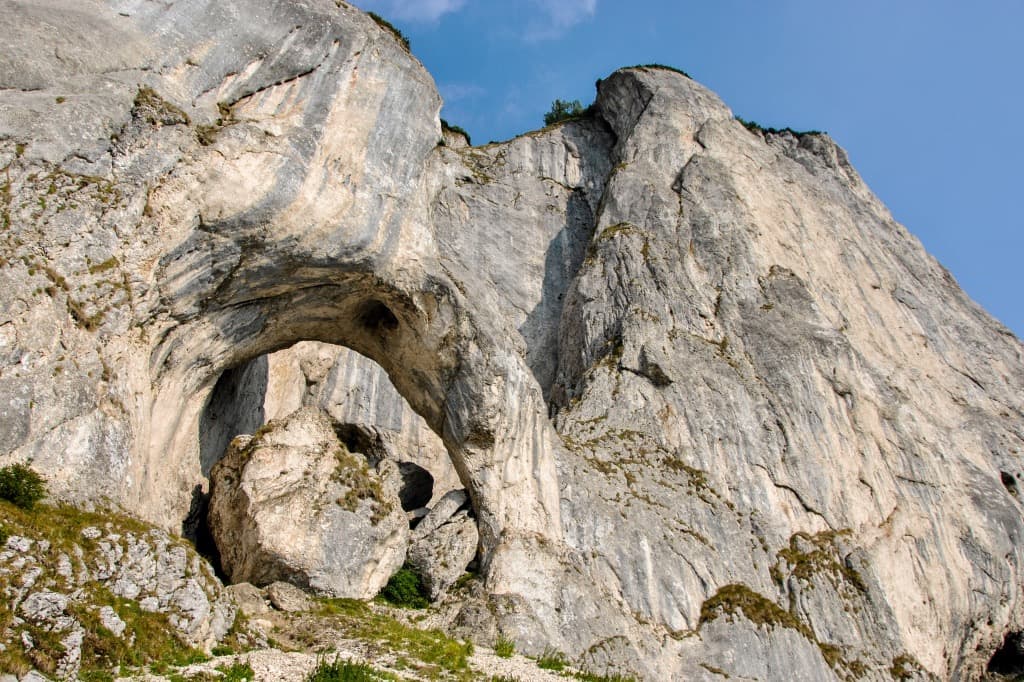
The Piatra Craiului massif ("The Prince's Stone" in Romanian) unfolds a long limestone ridge in the heart of the Southern Carpathians. Accessible from Zarnesti or Bran, it peaks at 2238 m at the La Om summit ("At Man's Place") and is recognizable from afar by its whitish hue, due to exposed limestone and sparse vegetation at higher elevations.
Why visit Piatra Craiului
Piatra Craiului stands out among the Roumanie Carpathians. Where neighboring massifs display rounded reliefs covered in forests, this massif features a narrow, almost rectilinear ridge stretching some 25 kilometers. This geological singularity was recognized early: the site was declared a nature reserve as early as 1938, then classified as a national park in 1990.
The massif's appeal lies as much in its relief as in its biodiversity. The slopes harbor flora that is partly endemic and emblematic Carpathian fauna, whose presence remains regular despite tourist activity. It is also one of the country's most demanding hiking and climbing terrain, frequented by experienced walkers as much as by those seeking lower-altitude trails.
What to see and do in the massif
The main ridge
The complete traverse of the ridge, from Curmătura pass to the southern end of the massif, constitutes the flagship itinerary. The route alternates between exposed passages, cable-secured sections, and viewpoints over the Bran-Rucăr depression and the Bucegi and Făgăraș massifs. This traverse is suited to experienced hikers, properly equipped and accustomed to exposed terrain.
Accessible trails
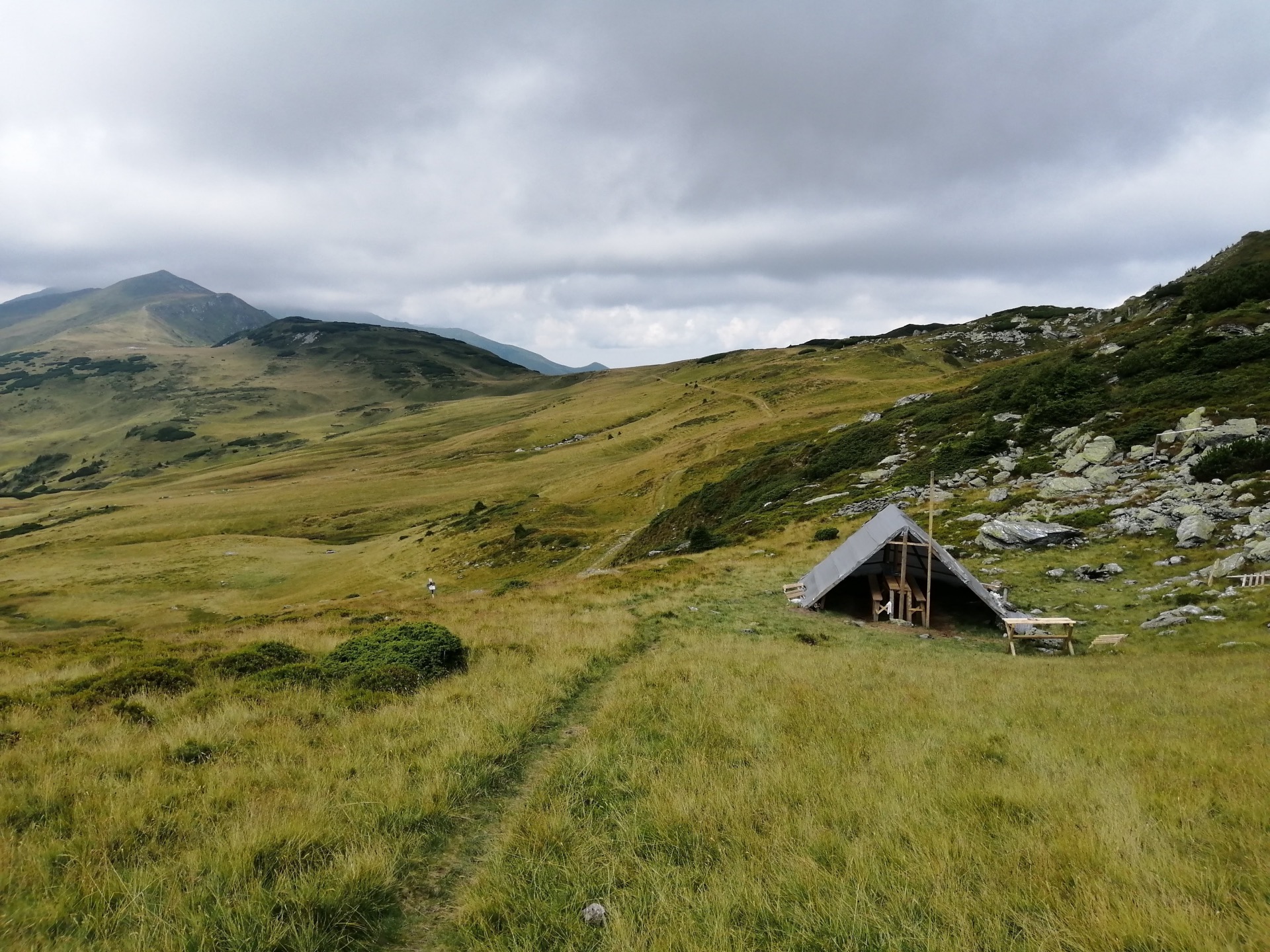
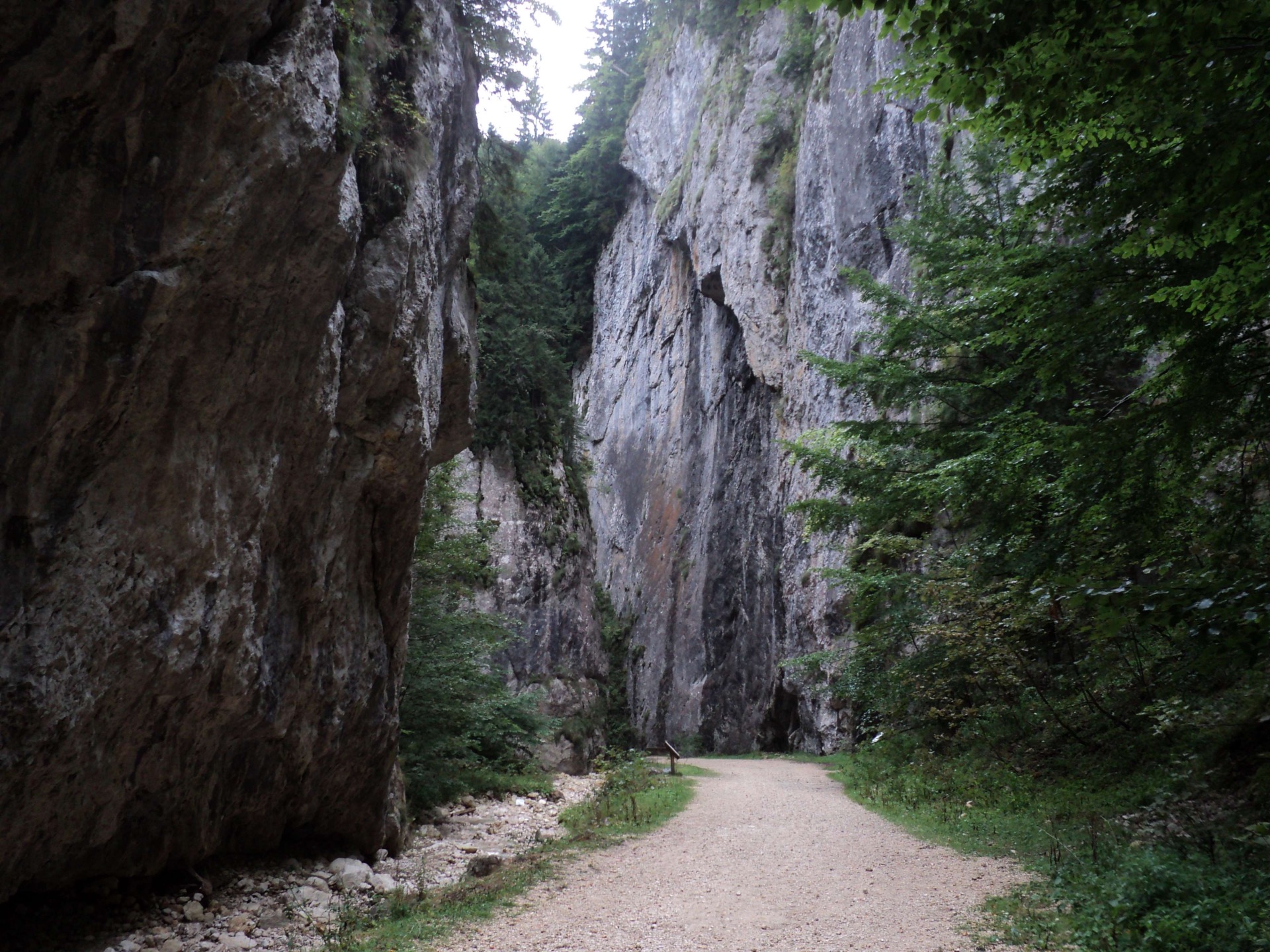
For a more moderate experience, several trails depart from the Plaiul Foii refuge (western slope) or the Curmătura refuge (eastern slope). They offer a glimpse of the park without engaging the ridge: beech and fir forests, alpine meadows, deep gorges such as Prăpastia Zărneștilor.
Flora and fauna
The western slope concentrates the most remarkable species:
- Piatra Craiului Carnation (Dianthus callizonus), endemic to the massif and symbol of the park;
- Edelweiss, on high-altitude limestone cornices;
- various species of gentians and alpine orchids.
On the fauna side, the park is home to chamois on rocky zones and capercaillies (wood grouse) in old forests. Brown bear, wolf, and lynx also frequent the woods of the massif, though they are difficult to observe.
When to visit
The period from June to September remains most favorable for ridge hiking, when exposed passages are snow-free and refuges are open. July and August offer the most stable conditions, but also the highest visitor numbers. September is appreciated for its autumn colors and quieter trails.
From November to April, the high ridge becomes terrain for equipped winter climbers; lower-altitude trails remain accessible by snowshoe depending on snow cover. Late spring (May–early June) may bring persistent snow patches at altitude.
Practical information
- Duration of visit: allow half a day for a lower-altitude trail, two to three days for a ridge traverse with a night in a refuge.
- Level: easy to very difficult hiking depending on routes; certain sections require good high-altitude mountain experience.
- Accommodation: refuges (Curmătura cabin, Plaiul Foii cabin) and guesthouses in Zarnesti.
- Equipment: mountain boots, windproof clothing, ample water supply (few sources on the ridge).
- Regulations: bivouacking regulated in the national park, marked trails to be respected, waste to be brought down.
How to get there
The main access point is Zarnesti, approximately 25 km west of Brașov. The town is served by train from Brașov (regional service, approximately 1 hour) and by road. From Zarnesti, local shuttles and taxis run to the park entrances (Plaiul Foii, Gura Râului).
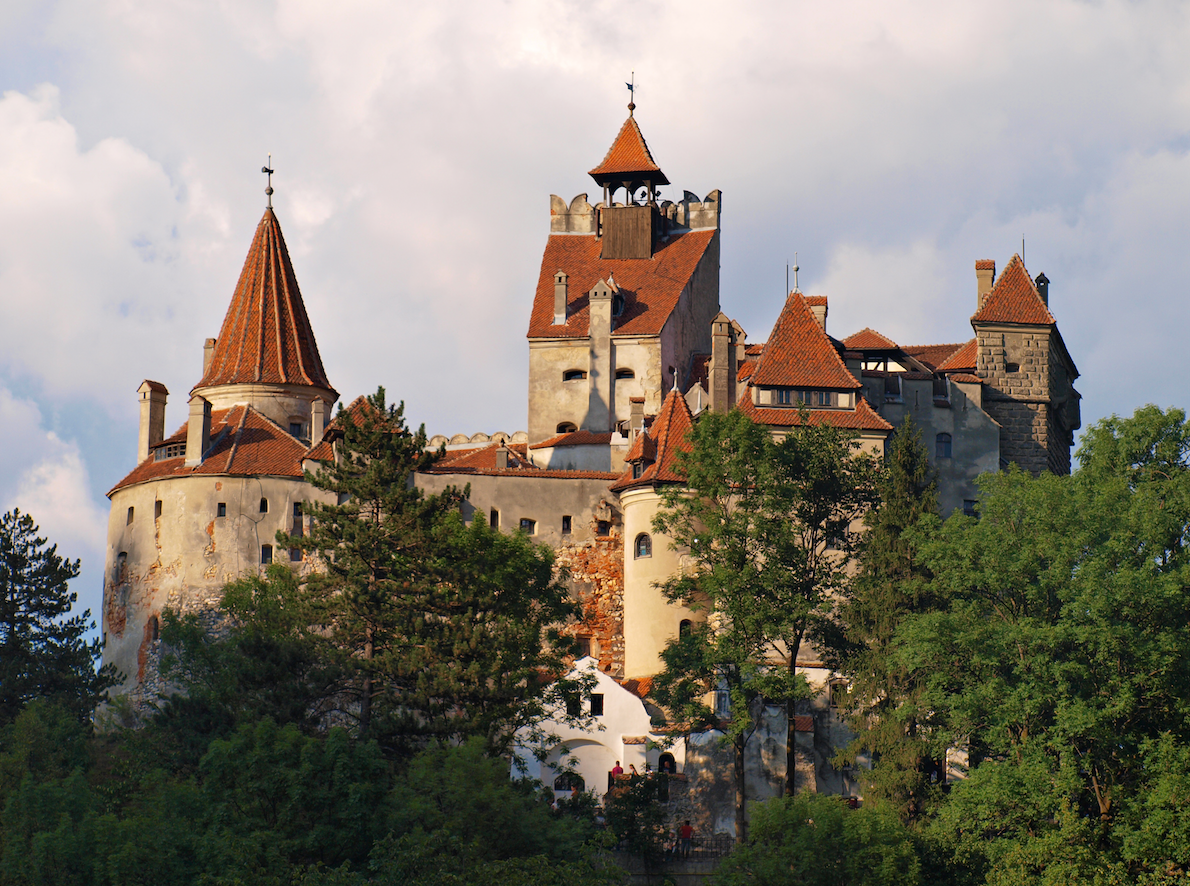
Access from Bran, further south, allows you to combine the visit with the famous castle. The road connecting Bran to Zarnesti runs along the eastern slope of the massif and offers several secondary starting points.
What to see in the region
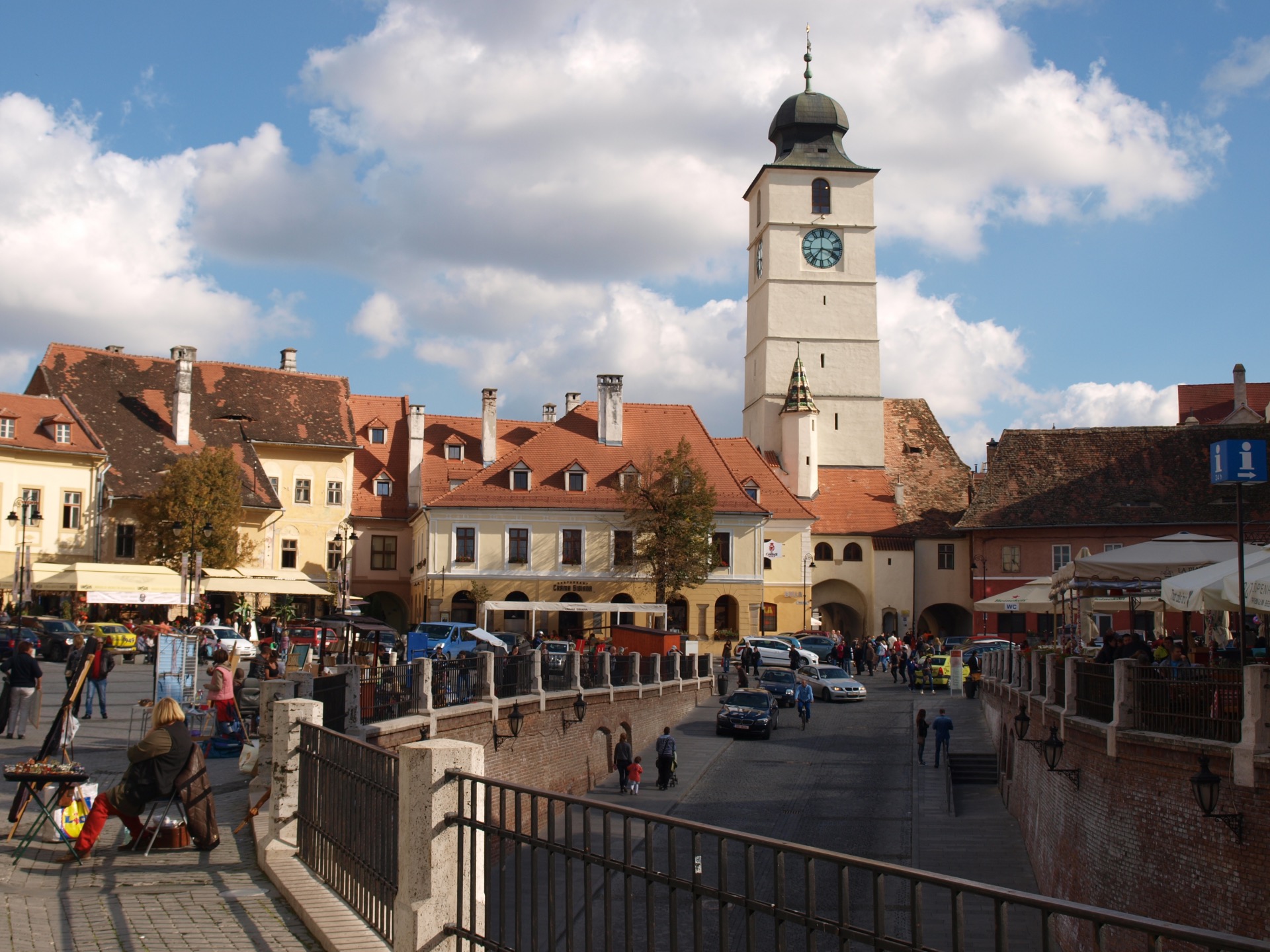
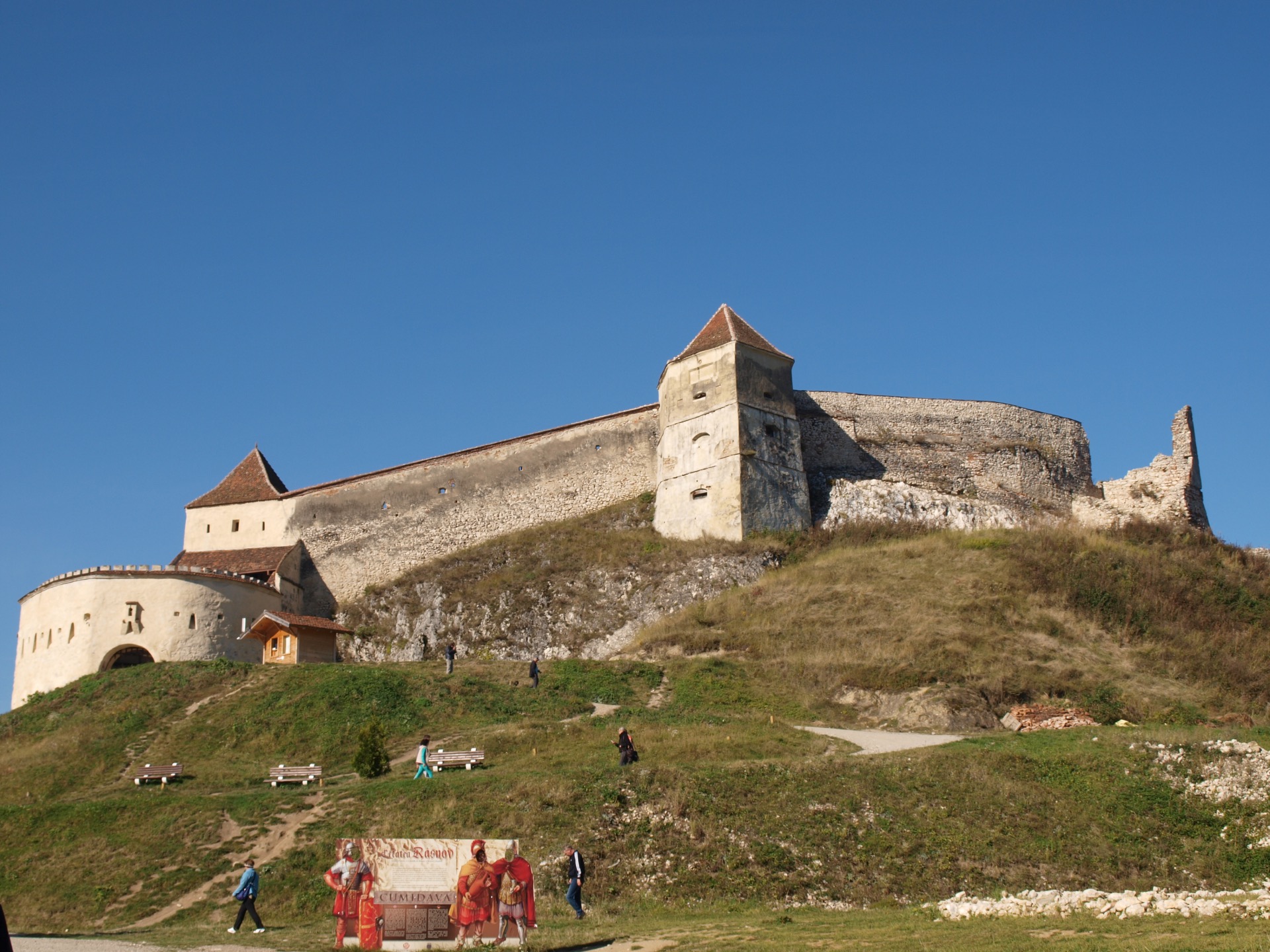
The region surrounding Piatra Craiului concentrates several complementary sites. Bran Castle, about twenty kilometers away, and the town of Brașov, with its Saxon historic center, are natural stops. Further west, the ASTRA Ethnographic Museum in Sibiu showcases Romanian rural architecture in an open-air setting. To extend the mountain experience, the Creasta Cocoșului geological reserve in Maramureș offers another remarkable volcanic relief, while the wooden churches of Ieud illustrate the vernacular heritage of the Northern Carpathians.
Including Piatra Craiului in your trip
The massif integrates easily into a Transylvania circuit combining Brașov, Bran, Sighișoara, and Sibiu. To build a tailor-made itinerary incorporating hiking and heritage, consult our journeys in Roumanie.
Nearby
Interested in this visit?
We can include it in your personalised itinerary.