Nera Gorges
Nera Gorges
In the Romanian Banat, the Nera River has carved a 22 km canyon at the heart of Cheile Nerei-Beușnița National Park: trails, karst lakes and waterfalls.
Nera Gorges: a wild canyon in the Banat
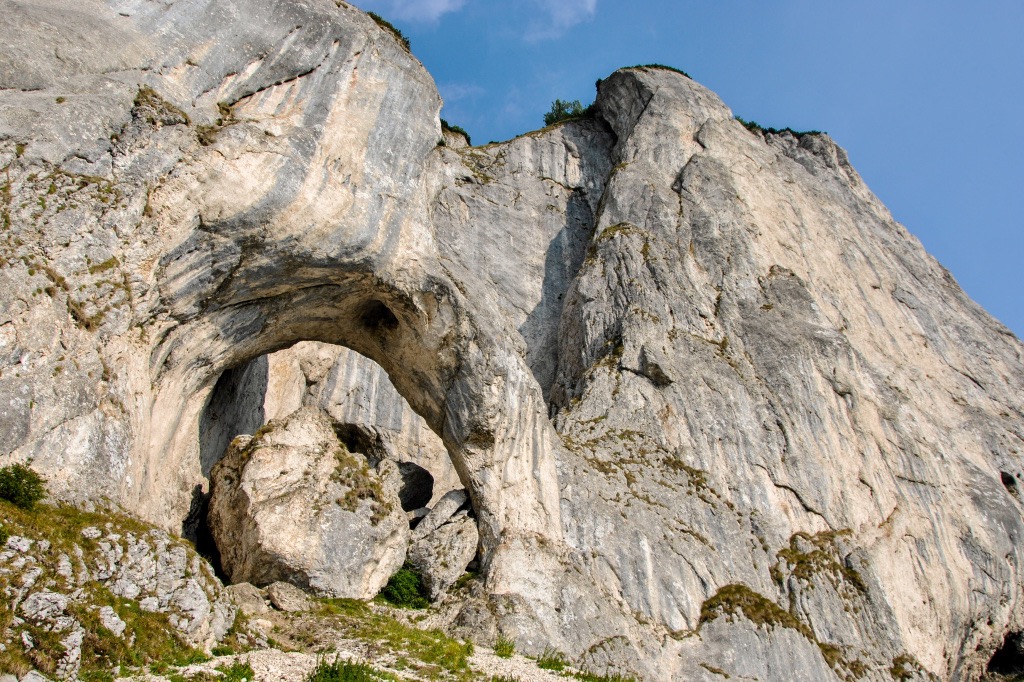
The Nera River winds through the Banat region in southwestern Roumanie, cutting through rock formations a long limestone canyon that forms one of the most pristine sections of the southern Carpathians. The gorges extend for approximately 22 kilometres between the villages of Sasca Română and Șopotu Nou, at the heart of Cheile Nerei-Beușnița National Park. This protected ensemble combines ancient beech forests, limestone cliffs, waterfalls and lakes of intense green, in an area still relatively untouched by international tourism.
Why visit Nera Gorges
The gorges offer several compelling reasons to make the journey while exploring Roumanie:
- One of the country's longest canyons: spanning 22 km, the Nera winds between cliffs that can exceed 200 metres in height.
- A recognised national park: Cheile Nerei-Beușnița National Park covers nearly 37,000 hectares and is home to beech forests inscribed on the UNESCO World Heritage list since 2017.
- Rich biodiversity: brown bears, lynx, chamois, black storks and nearly one thousand plant species are recorded here.
- Measured tourism: away from the main tourist circuits, visitor numbers remain moderate, particularly outside summer.
What to see and do in the gorges
The Gorges Trail (traseul Cheile Nerei)
The main route connects Sasca Română to Șopotu Nou following the river. It can be completed over two days with bivouacking or in sections as a day hike. The trail alternates between sections along cliff edges, suspension bridges, ford crossings and forest passages. Be prepared for a good fitness level: certain exposed sections require care and proper hiking boots.
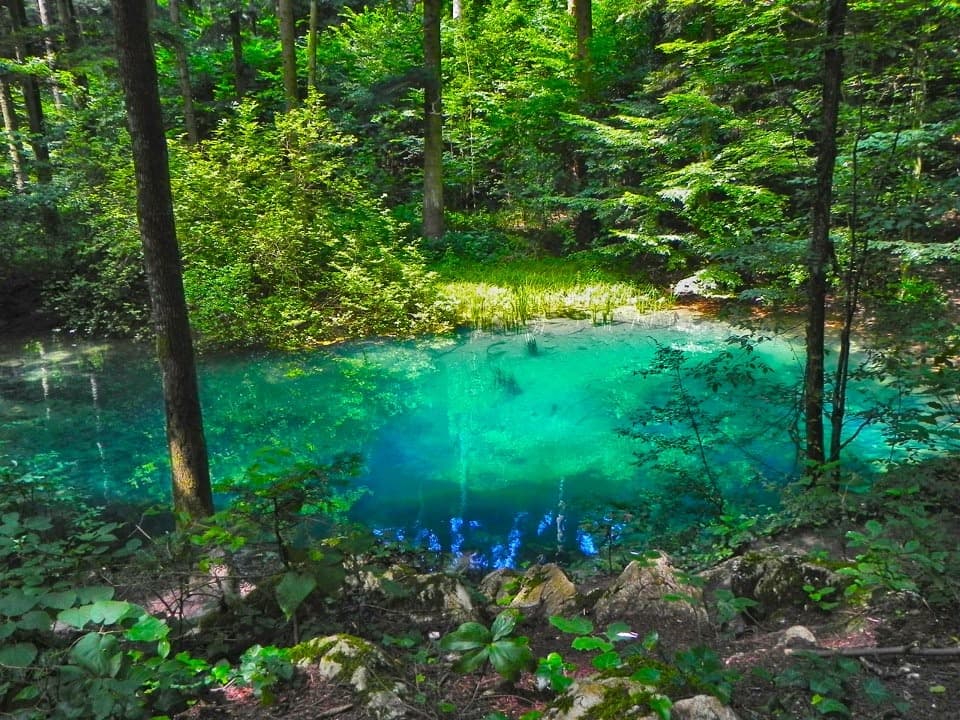
Lake Ochiul Beiului
This small karst lake is one of the park's most photographed sites. Its water, a turquoise shade that persists even in winter, comes from an underground spring. It is accessible from the hamlet of Bei in approximately one hour's walk.
Beușnița Waterfalls
Located upstream from Lake Ochiul Beiului, the Beușnița falls cascade in several levels covered with moss. The trail leading to them naturally extends the lake visit and makes up the park's most accessible family itinerary.
Sasca Mill and villages
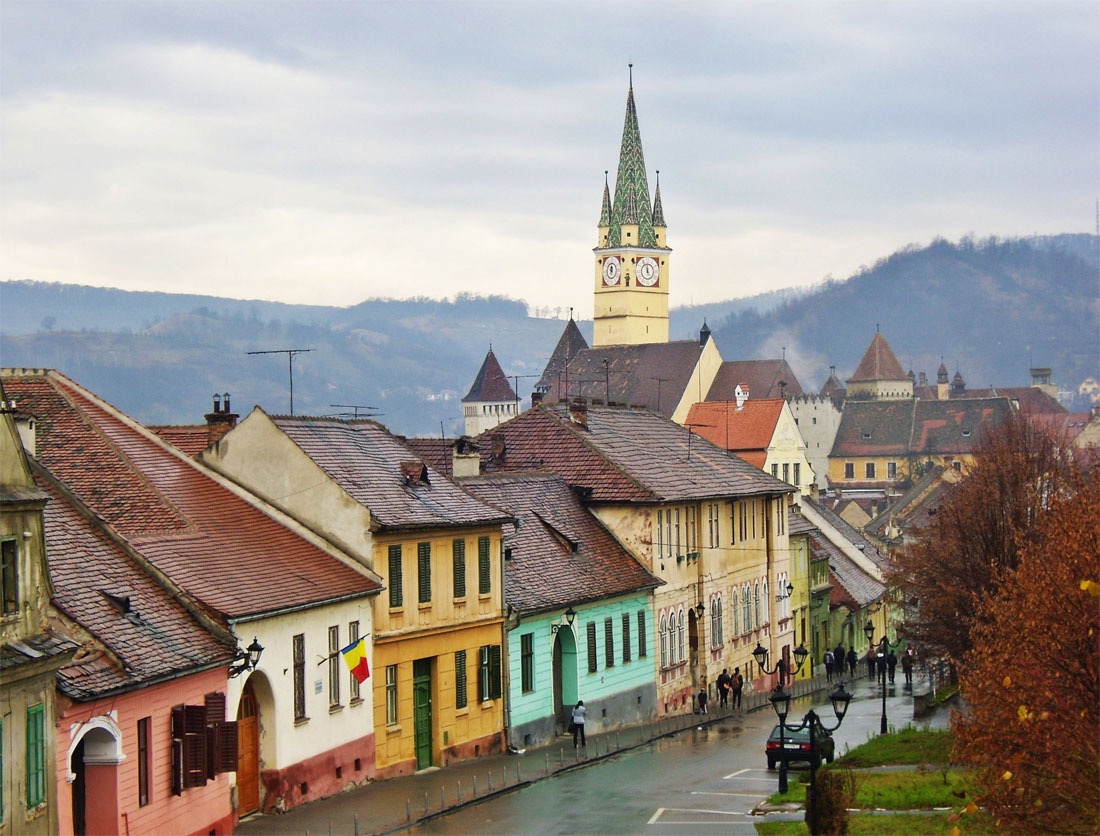
At the gateway to the gorges, the villages of Sasca Română, Sasca Montană and Cărbunari preserve the rural architecture of the Banat, with low whitewashed houses and old mining installations. Sasca Montană was founded in the 18th century through copper exploitation by Austrian colonists.
When to visit Nera Gorges
The most favourable period extends from May to October, when trails are passable and water levels stable.
- May-June: vegetation in full bloom, waterfalls fed by snowmelt, low visitor numbers.
- July-August: warm temperatures (up to 30 °C), ideal for swimming in the pools, but increased weekend crowds.
- September-October: autumn colours on the beech forests, soft light, optimal walking conditions.
- Winter: trails not recommended, exposed sections made dangerous by ice.
Practical information
- Status: protected zone of Cheile Nerei-Beușnița National Park, free access on marked trails.
- Level: the full crossing is a moderately difficult hiking challenge; shorter loops (Ochiul Beiului, Beușnița) remain accessible to regular walkers.
- Equipment: hiking boots, plenty of water, headlamp for overhanging sections, windproof clothing.
- Accommodation: guesthouses in the access villages (Sasca Română, Bozovici), bivouacking permitted in designated park areas.
- Mobile network: very limited in the gorges, bring paper map or offline GPS.
How to get there
The gorges are located in Caraş-Severin county, approximately 90 km southwest of Reșița and 110 km east of Timișoara. Three main entry points:
- Sasca Română to the north, the classical starting point for the full crossing.
- Bei and Șopotu Nou to the south, access to Ochiul Beiului and Beușnița sectors.
- Bozovici, further east, logistical base for hikers.
The nearest international airport is Timișoara, served by direct flights from several European cities. A car remains essential to reach the access villages, as public transport is scarce in this part of the Banat.
Nearby attractions
Roumanie offers other natural and cultural sites that complement exploration of the Banat and Carpathians:
- The Creasta Cocoșului geological reserve, in the Gutâi mountains, another remarkable rock formation in the Carpathians.
- The ASTRA Ethnographic Museum in Sibiu, the country's largest open-air museum.
- The wooden churches of Ieud, testament to rural religious architecture in Maramureș.
- The Enisala Fortress, a medieval remnant overlooking Dobrogea.
Planning your trip
Nera Gorges fit into an itinerary in western Roumanie combining the Banat, Apuseni mountains and Transylvania. To build a journey tailored to your pace and interests, explore our Roumanie travel suggestions.
Interested in this visit?
We can include it in your personalised itinerary.