Enisala Fortress
Enisala Fortress
A medieval remnant overlooking the Dobruja lagoons, Enisala Fortress tells the story of Byzantine, Genoese and Ottoman heritage along Romania's Black Sea coast.
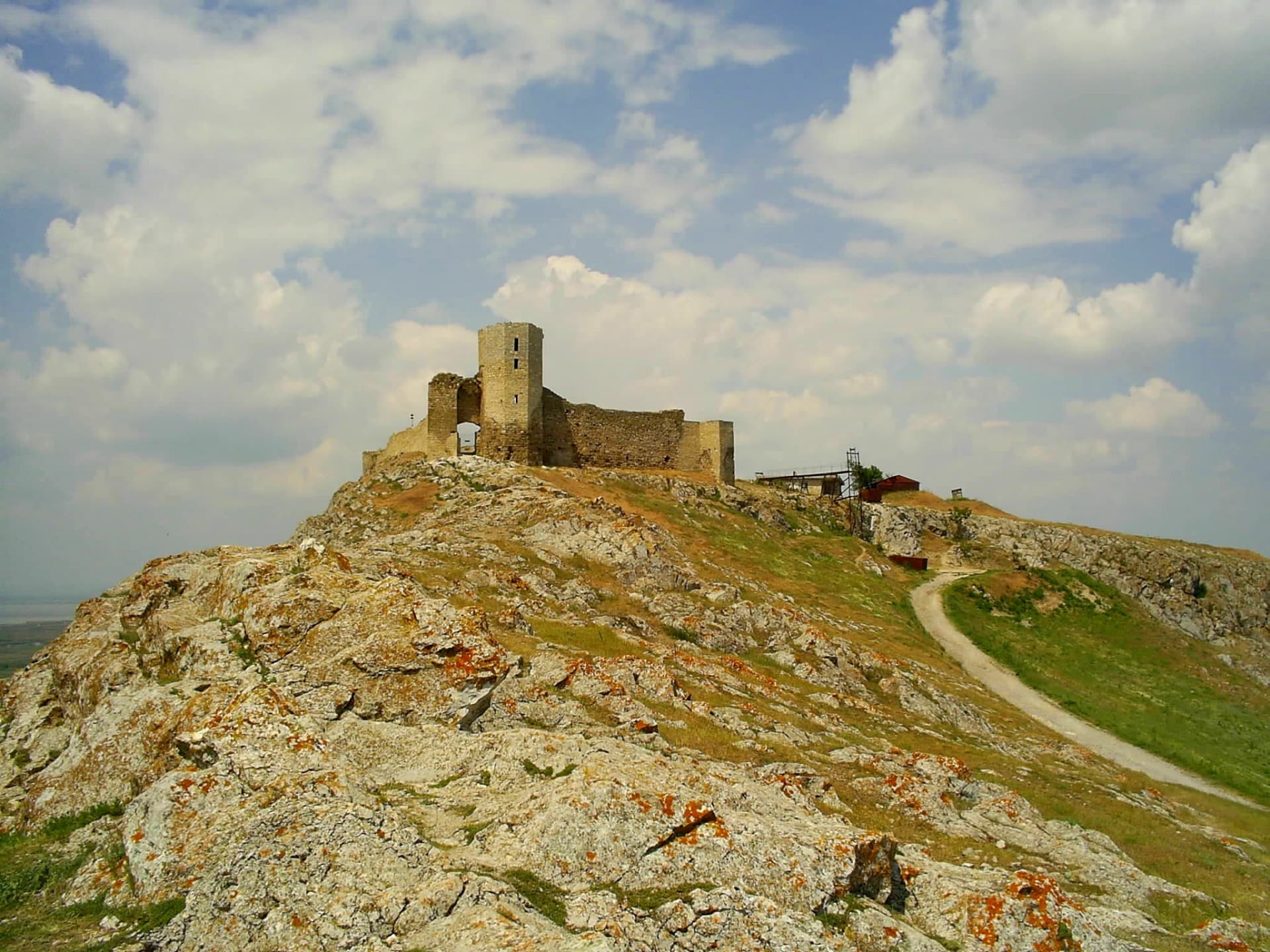
Perched on a limestone hill overlooking the Razim and Babadag lagoons, Enisala Fortress stands at the heart of Dobruja, in southeastern Romania. Its stone walls, still imposing despite the centuries, recount a history of commercial rivalries, maritime power and religious migrations. Today an open ruin to the public, the site offers expansive views over the ponds, fishing villages and surrounding steppe.
Why visit Enisala Fortress
Enisala is one of the rare medieval fortified remains visible in the Danube Delta and its surroundings. The site offers several complementary points of interest:
- A clear vantage point over the Razim and Babadag lagoons, a landscape typical of maritime Dobruja.
- Tangible evidence of commercial exchanges between Genoese, Byzantines and Ottomans on the Black Sea.
- A gateway to the culture of the Lipovans, a community of Russian Old Believers settled in the region.
- A short, free visit accessible on foot from the village, ideal as a complement to an excursion in the delta.
History of the Fortress
The Turkish name Yeni-Sale ("new village") gave rise to Enisala. The construction of the fortress is generally attributed to the 14th century, at a time when the western coast of the Black Sea was a major commercial stake. Originally, the fortress defended the coast and controlled maritime traffic: the waters that then bathed its promontory formed an open bay onto the Black Sea, before the accumulation of sediments gradually transformed the area into a string of closed lagoons.
Over the centuries, the stronghold passed through Byzantine, Genoese and Turkish hands. The Genoese made it a commercial relay in their Pontic network, while the Ottomans integrated it into their control system of Dobruja after conquering the region in the late 14th century. As the shoreline receded and the fortress lost its direct access to the sea, it lost its strategic value and was gradually abandoned.
The village and the Lipovans
The village of Enisala was a refuge for the Lipovan population, Old Believers who fled the religious reforms of Peter the Great of Russia in the 18th century. Many Lipovans are found throughout the Danube Delta, as they were a fishing people and found in the waterways and lagoons a familiar setting to practice their trade and faith. Several surrounding villages retain their churches and traditions.
What to see on site
The ramparts and towers
The enclosure forms an irregular quadrilateral hugging the rocky crest. The main gate, framed by two towers, remains the best preserved element: you can still see the coursing in local limestone blocks and traces of the portcullises. Several corner towers, including a circular one, testify to the care taken with defenses.
The panorama
From the ramparts, the view encompasses Razim Lagoon, Babadag Lagoon and, on clear days, the distant horizon of the Black Sea. It is undoubtedly the best observation point for the geographical transition between the Dobruja steppe and the lagoon system of the delta.
The village of Enisala
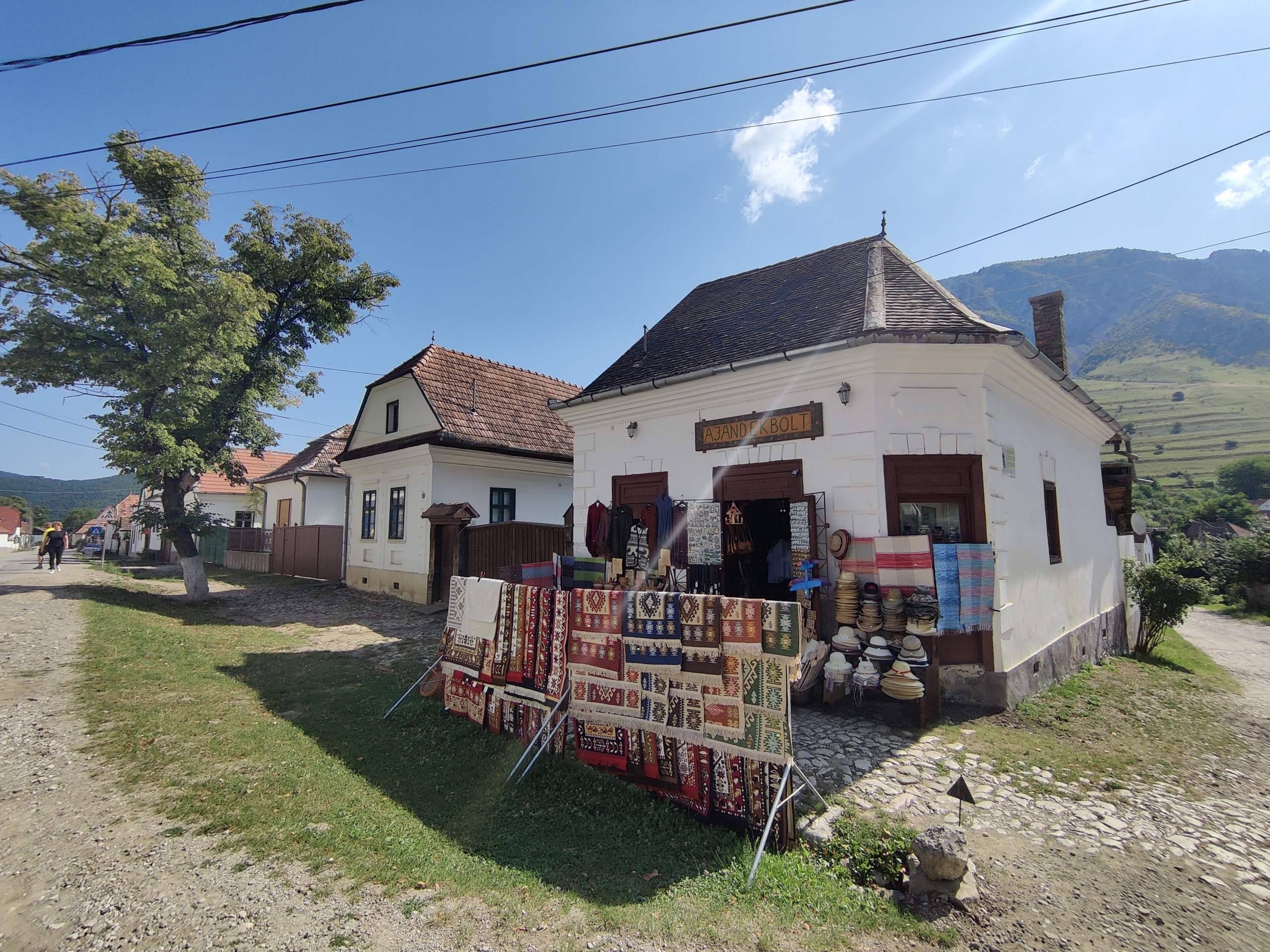
Below, the village is worth a detour for its ethnography museum housed in a traditional farm, its low wattle-and-daub houses and small churches. The rural atmosphere contrasts with the mineral character of the fortified site.
Practical Information
- Access: open-air site, freely accessible most of the year. A modest entrance fee may be charged during peak season.
- Duration of visit: allow 1 to 1.5 hours for a tour of the ramparts and panorama.
- Equipment: closed-toe shoes recommended (rocky and steep terrain), water, hat in summer, windbreaker in cool season.
- Accessibility: the access path from the parking lot is short but steep; not recommended for people with reduced mobility.
When to go
The fortress can be visited year-round, but spring (April to June) and early autumn (September, October) offer the best conditions: mild temperatures, contrasting light on the lagoons and bird migrations in nearby wetlands. Summer is hot and dry with little shade on the site; plan to visit early morning or late afternoon. In winter, the wind sweeping across Dobruja can make the visit challenging.
How to get there
Enisala is located in Tulcea County, approximately 30 km southeast of the city of Tulcea, the main gateway to the Danube Delta. Access is via the DN22 road then the DJ222, with signs from Babadag. By car, allow 30 to 45 minutes from Tulcea. A few bus services serve the village of Enisala from Tulcea and Babadag, but frequency is limited: a car, whether rental or with driver, remains the most practical solution.
Nearby attractions
- The Danube Delta Museum in Tulcea, a natural complement for understanding the geography and wildlife of the region.
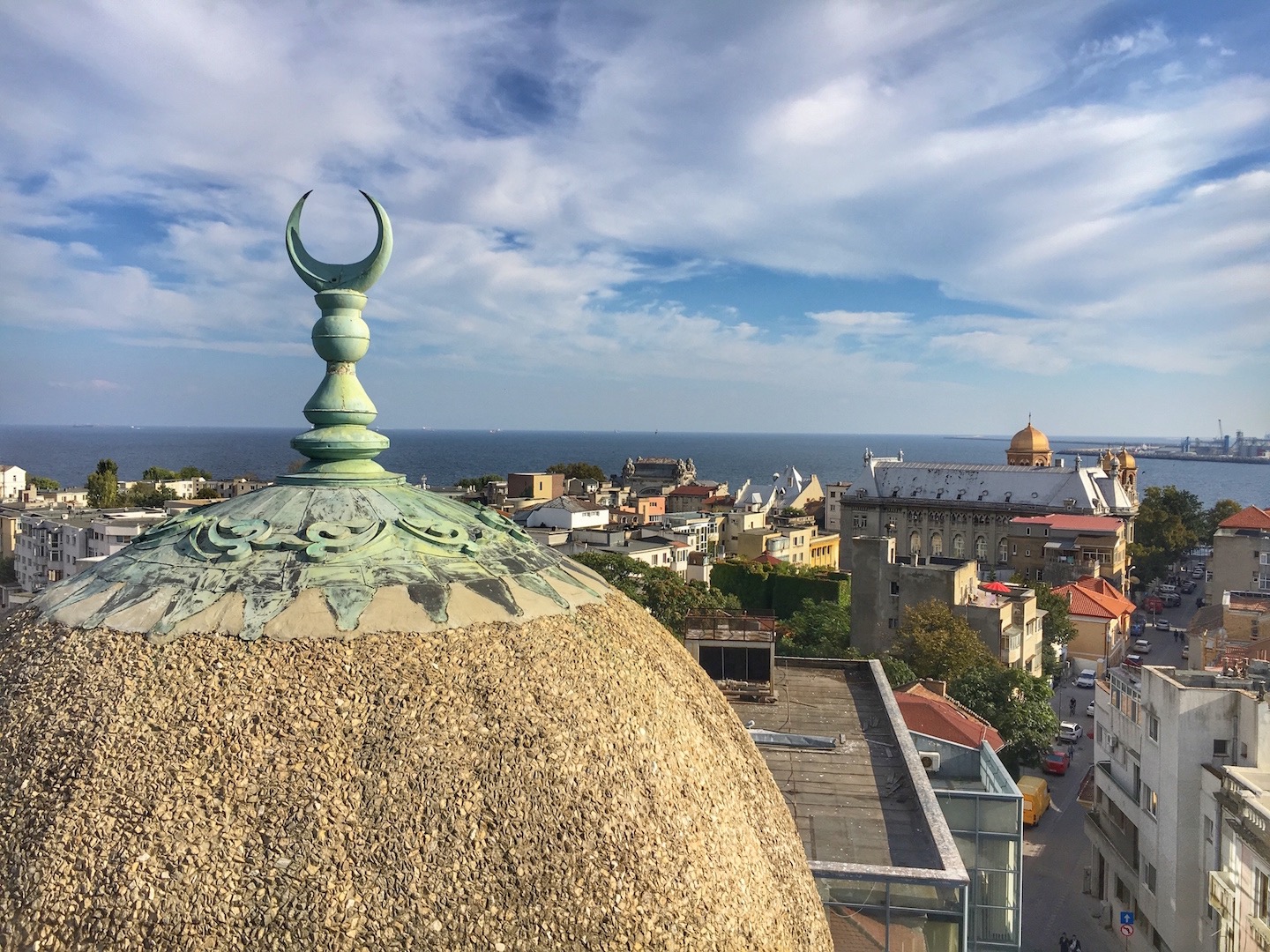
- Babadag and its Ottoman ensemble (Ali Gazi Pacha Mosque, one of Romania's oldest), about twenty kilometers away.
- The Lipovan villages of Sarichioi and Jurilovca, on the shores of Razim Lagoon, for traditional fishing and Old Believer churches.
- A boat excursion in the Danube Delta from Tulcea or Murighiol.
Including Enisala in your trip
Enisala Fortress combines perfectly with exploration of the Danube Delta and a journey through Dobruja. To build a tailor-made itinerary blending nature, heritage and encounters, explore our journeys in Romania and let our specialists adapt the route to your wishes.
Interested in this visit?
We can include it in your personalised itinerary.