Arbore Monastery
Arbore Monastery
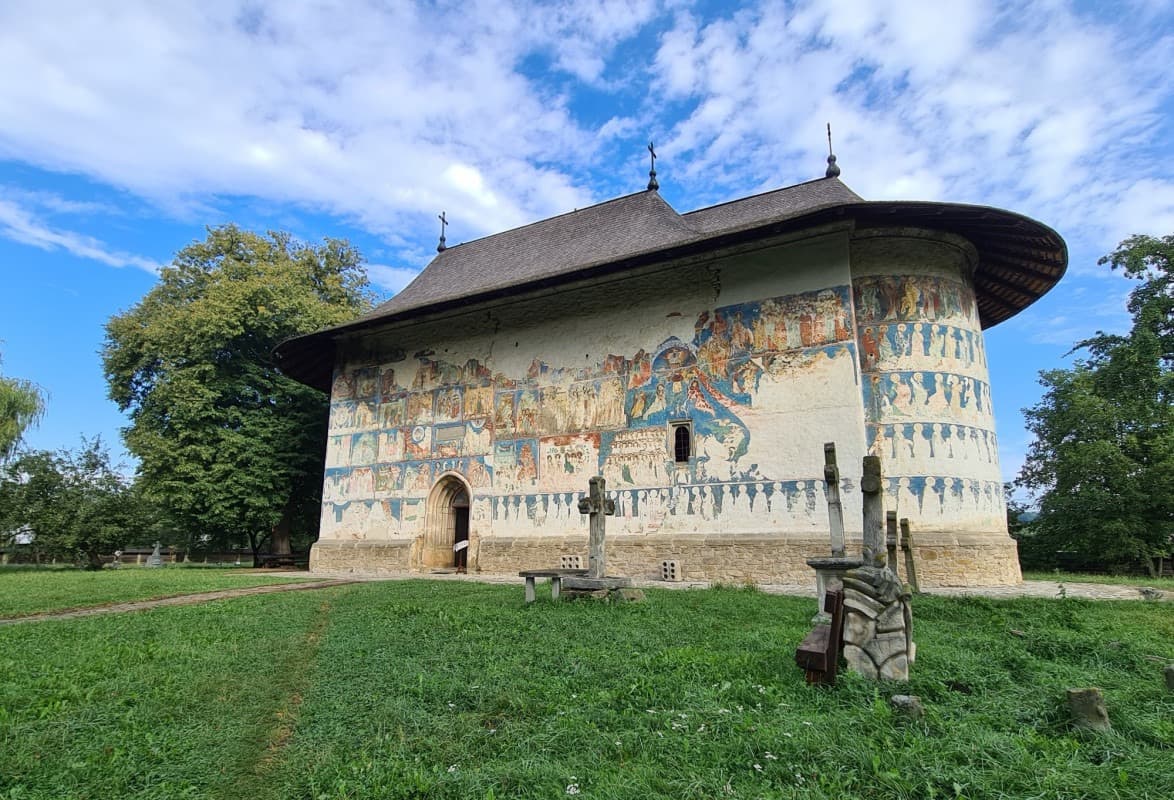
Founded in 1503 by boyar Luca Arbore, this Bucovina monastery stands out for its frescoes dominated by green and its distinctive tower-less architecture.
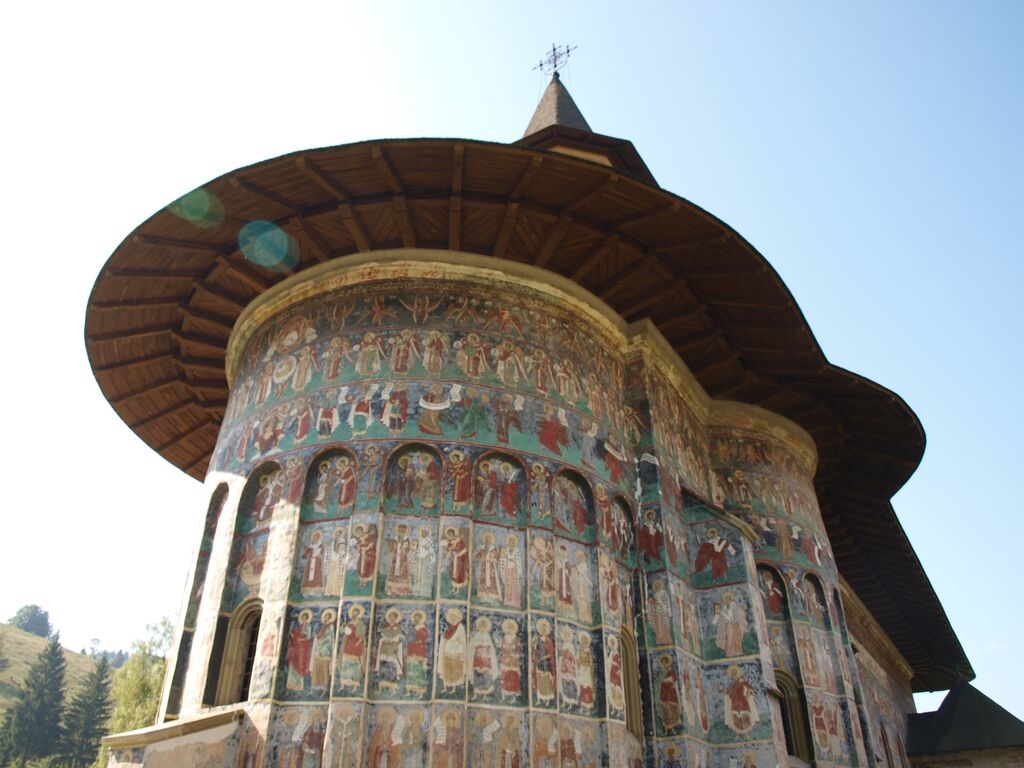
Arbore Monastery is located in the village of the same name, in the heart of northern Romanian Bucovina. A small religious building from the early 16th century, it belongs to the ensemble of painted monasteries of Bucovina, several of which have been inscribed on the UNESCO World Heritage list since 1993. It is distinguished by its exterior frescoes dominated by green and by an architectural particularity: the absence of a tower.
Why visit Arbore Monastery
Three main reasons motivate a visit to Arbore during a tour of Bucovina:
- A unique chromatic signature: while Voroneț is famous for its blue and Sucevița for its red, Arbore is characterized by a deep green, obtained from local mineral pigments.
- A secular foundation, a rare occurrence: the monastery was not commissioned by a prince but by a boyar, which explains its tower-less architecture.
- Moderate visitor numbers compared to the most visited monasteries in the region, conducive to a peaceful visit.
History of the Monastery
In 1502, boyar Luca Arbore, a dignitary of the court of voivode Stephen the Great, chose a small village bearing his name and had a church built there for his daughter Ana. The monastery was founded the following year, in 1503. Luca Arbore was one of the major political figures of Moldavia at the time, governor of the Suceava fortress for more than forty years.
The interior and exterior frescoes that made the site famous were executed some forty years later, around 1541, by the workshop of painter Dragoș Coman, considered one of the great masters of Moldavian mural painting.
The building's history is marked by a long period of abandonment: the church was left without a roof for over a century, which could have compromised the preservation of the exterior frescoes. The building nevertheless survived the centuries and today benefits from protective status as a UNESCO World Heritage site.
What to see on site
The exterior frescoes
The western wall is the most remarkable part of the building: it unfolds a dense iconographic cycle featuring the Genesis, the life of Saint George, the Last Judgment, and several hagiographic scenes. Shades of green dominate the whole, punctuated by ochres and reds.
Tower-less architecture
At first glance, one notices that the church has no tower. This absence is not an oversight: only reigning princes could add a tower to churches they had built. As Luca Arbore was a boyar and not a prince, his church lacks this vertical element, making it a typical example of Moldavian religious architecture commissioned by the nobility.
The interior
The interior iconographic program, more classical in nature, illustrates the life of Christ and military saints dear to the Moldavian tradition. The tomb of the founder, Luca Arbore, is located inside the church.
Practical information
- Visit duration: allow 30 to 45 minutes to tour the building and observe the frescoes.
- Entrance fee: modest entry cost, with a standard surcharge for interior photography.
- Recommended season: May to September, when the light enhances the exterior frescoes and secondary roads are easily passable.
- Dress code: formal dress required as in any Orthodox monastery (shoulders and knees covered).
How to get there
The village of Arbore is located approximately 30 kilometres northwest of Suceava, the main town in Bucovina and the usual gateway to the region. From Suceava, allow about 40 minutes of driving. The site is typically included in painted monastery tours, which combine visits to Voroneț, Humor, Moldovița, Sucevița, and Arbore over one or two days.
A rental car remains the most practical way to reach Arbore, as public transportation is infrequent in this rural area.
What to see in the region
Arbore fits into a broader itinerary across Romania. To extend your visit:
- The other painted monasteries of Bucovina: Voroneț, Humor, Moldovița, and Sucevița, all located within an hour's drive.
- The Transfăgărășan Road, a spectacular crossing of the southern Carpathians.
- Corvin Castle in Hunedoara, one of the most important Gothic fortresses in Central Europe.
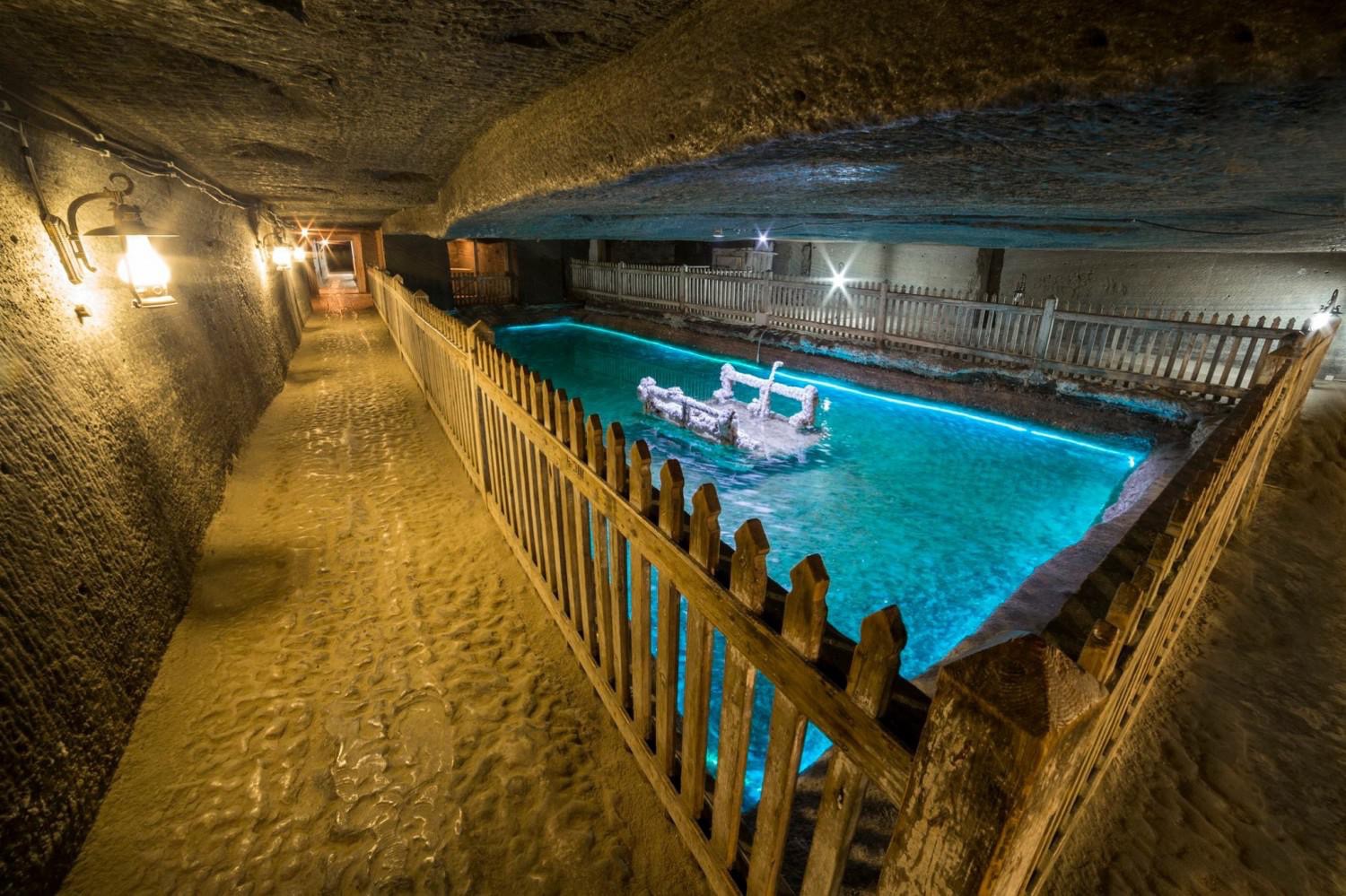
- Turda Salt Mine in Transylvania, transformed into an underground tourist site.
- Danube Delta Museum in Tulcea, for a complementary approach to Romanian heritage.
Integrate Arbore into your Romania trip
Arbore Monastery is ideally visited as part of a tour dedicated to Bucovina and its painted monasteries. To build a custom itinerary including this region and other highlights of the country, consult our Romania tours.
Nearby
Interested in this visit?
We can include it in your personalised itinerary.