Romania's Medieval Citadels: A Journey Through the Past
Steeped in history, Transylvania is home to numerous medieval structures that still stand today. Whether beautifully preserved or in ruins, these monuments all bear witness to a chapter of the story of the 'land of Dracula'.
Steeped in history, Transylvania is home to numerous medieval structures that still stand today. Whether beautifully preserved or in ruins, these monuments all bear witness to a chapter of the story of the 'land of Dracula'! Follow us as we unveil the 5 most stunning medieval citadels in Romania!
1. Poenari Citadel: The Most Legendary
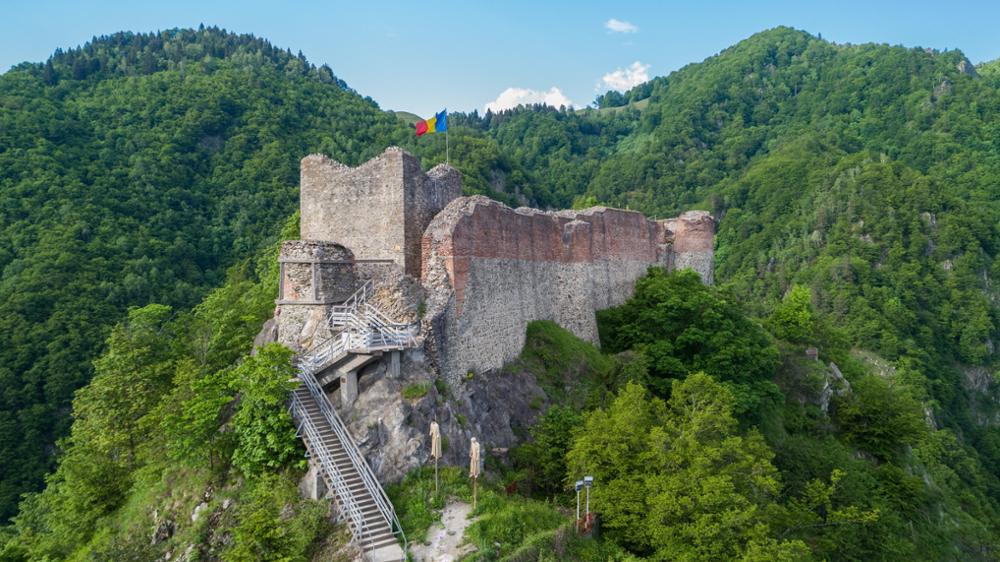
In the Vâlcea region, perched atop Mount Cetatuia, stands Poenari Citadel. Built directly into the rock in the early 14th century, it was constructed at this lofty height to shield against Ottoman invasions. Though now in ruins, it remains an important monument, renowned for the legends that swirl around it...
Among the most famous? In 1457, Prince Vlad III the Impaler is said to have invited several boyar families (high-ranking nobles of Transylvania) for Easter Sunday... But this was far less an invitation than an act of vengeance! Held responsible for the deaths of the monarch's father and brother, the aristocrats were tortured, then forced to rebuild the citadel. Unaccustomed to manual labor, many boyars perished during the construction.
Another legend? Poenari Citadel allegedly served as a refuge for Vlad III the Impaler and his wife during the Turkish invasion of 1462. The princess is said to have thrown herself into the void to escape the enemy's hands, before disappearing into the river below: the Râul Doamnei, which literally means 'the princess's river'...
To tread this legendary ground, you must first climb the 1,480 steps that precede the fortress! Once at the top, you'll enjoy breathtaking views over the Fagaras Mountains.
2. Rasnov Citadel: One of Romania's Most Beautiful Medieval Citadels
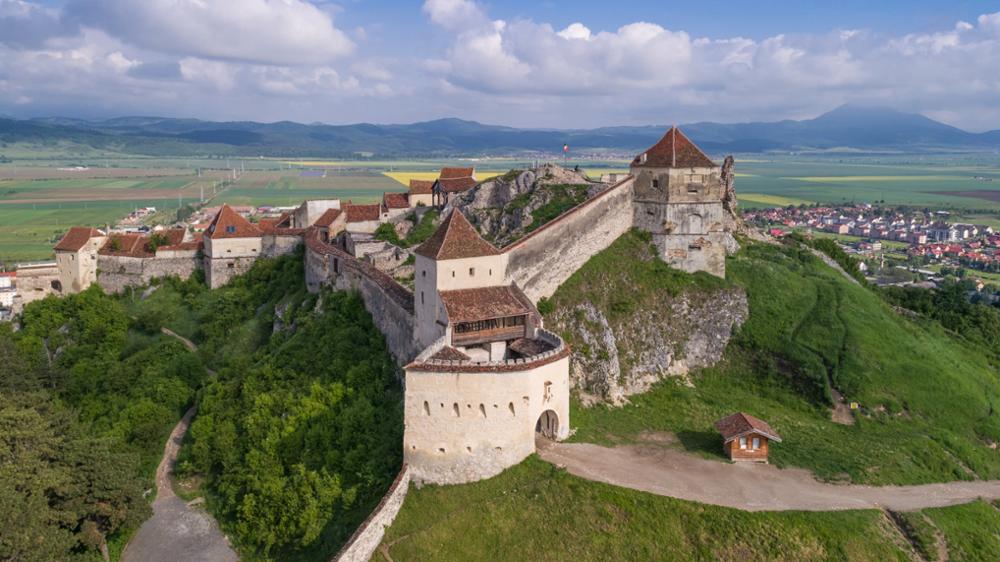
If you pass through the județ of Brașov, don't miss Rasnov Citadel! Built between 1211 and 1225 by local inhabitants (to protect themselves from the Tatars – a Turkic people), the fortress known as the 'peasant city' still rises proudly at 200 meters above the town!
Rehabilitated in traditional medieval style, it is considered one of the best-preserved medieval fortifications in the country. The fortress notably houses a superb period village, dotted with artisanal workshops. Here's our tip: as you stroll through its streets, head toward the citadel's summit to admire its 360-degree panorama.
To discover the full history of the city, why not stop at the Rasnov Citadel Museum? Beyond learning about the town's historical past, you can admire period objects and weaponry... After your visit, venture out to explore the famous Bran Castle, located just 15 km from the citadel.
3. Sighisoara Citadel: The UNESCO-Listed Fortress
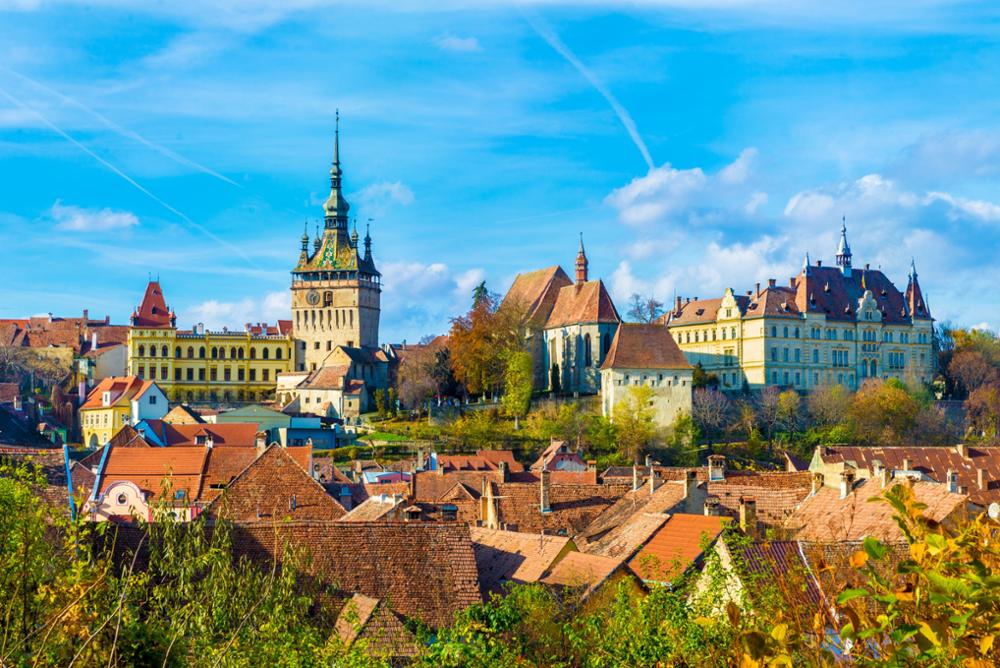
Located in the județ of Mureș, the town of Sighişoara is renowned for its magnificent medieval citadel, built in the 13th century. As the last citadel still inhabited, it is often described as a 'living museum city'.
Listed as a UNESCO World Heritage Site, it preserves numerous period buildings, designed in turn in Gothic, Neo-Gothic, Baroque, Romanesque and Renaissance styles!
Among its notable features, you can visit several churches, the 'Venetian House', the casa Vlad Dracul (now operating as a restaurant), as well as the Clock Tower and the famous Scara Scolarilor (the town's iconic wooden staircase, built in 1642).
4. Deva Citadel: The Fortress Accessible by Cable Car
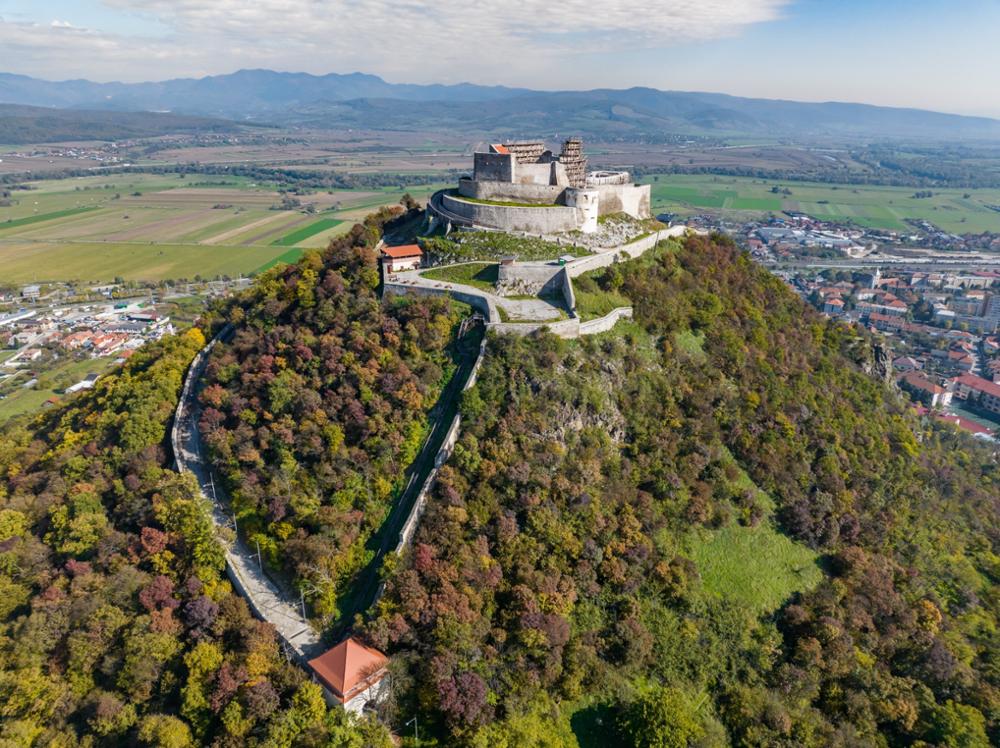
Approximately 20 km from Hunedoara, you'll find the Deva Citadel. Built in the 13th century on a volcanic site, the citadel stood watch over the Mureș valley for decades. After serving as a refuge against Tatar invasions, then as shelter for nobility (during peasant revolts), it also temporarily served as a prison.
Unfortunately destroyed in 1849 by an ammunition explosion, it wasn't restored until many years later! Today, this splendid medieval heritage site is accessible after a pleasant walk through the citadel park, or by cable car!
5. Fagaras Citadel: The Former Hub of Celebration
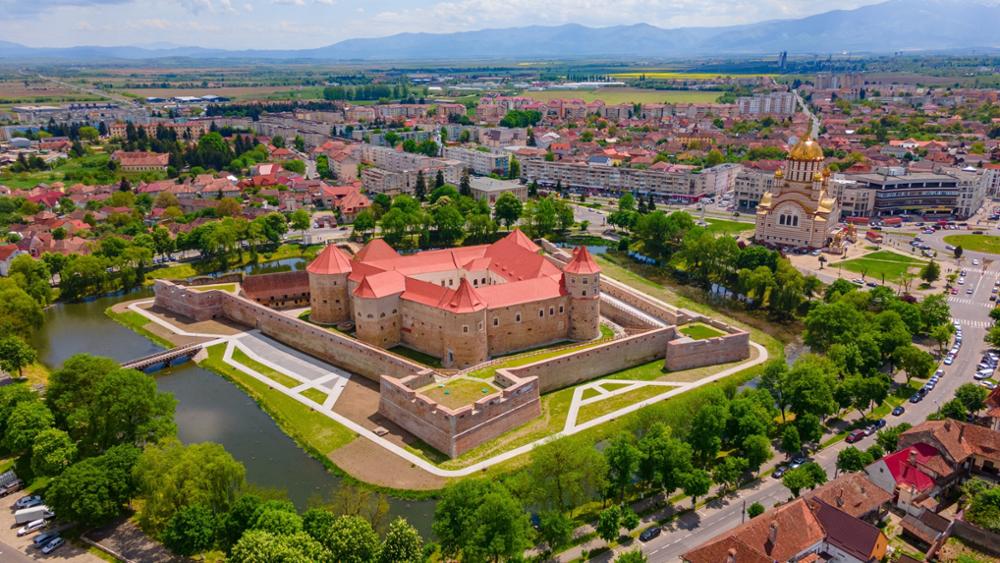
Built in the late 14th century, the Fagaras Fortress was designated one of the most beautiful in the world in 2014! Renowned for its superb state of preservation, the citadel was also once highly celebrated for its grand balls, where the social elite would gather.
After also serving as a prison during the communist era, the building now houses the city's history museum, displaying numerous collections of historical objects (weapons, books, ceramics, decorative arts, etc.), as well as traditional clothing... and a torture chamber! On the architectural side, you can admire numerous rooms and visit 5 towers.
Frequently asked questions
The 5 most beautiful medieval citadels in Romania are: Poenari Citadel (linked to Vlad III the Impaler), Rasnov Citadel (one of the best preserved), Sighisoara Citadel (UNESCO-listed), Deva Citadel (accessible by cable car) and Fagaras Citadel (distinguished as one of the world's most beautiful in 2014).
Yes, Poenari Citadel is strongly associated with Vlad III the Impaler, a historical figure who inspired the Dracula myth. According to legend, Vlad III had it rebuilt by boyars in 1457 and took refuge there during the Turkish invasion of 1462.
Deva Citadel, located approximately 20 km from Hunedoara, is accessible in two ways: on foot via a walk through the citadel park, or more easily by cable car. It is one of the rare medieval citadels in Romania to offer this mode of access.
Yes, the medieval city of Sighisoara is listed as a UNESCO World Heritage Site. Built in the 13th century, it is the last inhabited medieval citadel in Romania, often nicknamed a 'living museum city' for the wealth of its historic buildings in Gothic, Baroque and Renaissance styles.
Rasnov Citadel is considered one of the best-preserved medieval fortifications in Romania. Built between 1211 and 1225, it houses a reconstructed period village complete with artisanal workshops and offers a 360-degree panorama from its summit.
Yes, visiting Poenari Citadel requires climbing 1,480 steps before reaching the fortress. This effort is rewarded with breathtaking views of the Fagaras Mountains. Bring sturdy hiking shoes and plenty of water.