Bucharest and Wallachia
A capital city layered with contrasting architecture and a southern plain dotted with Brâncoveanu monasteries, between the Carpathians and the Danube.
Bucharest and Wallachia occupy the southern plain of Roumanie, between the foothills of the southern Carpathians and the Danube, which marks the border with Bulgaria for nearly 500 kilometres. It is a region of grain plains, vineyards (Dealu Mare, Drăgășani) and small spa towns nestled against the mountains, with Bucharest as its nerve centre, home to two million inhabitants. Our agency is based here, a few streets from Calea Victoriei, and this region is typically where a journey through Roumanie begins and ends.
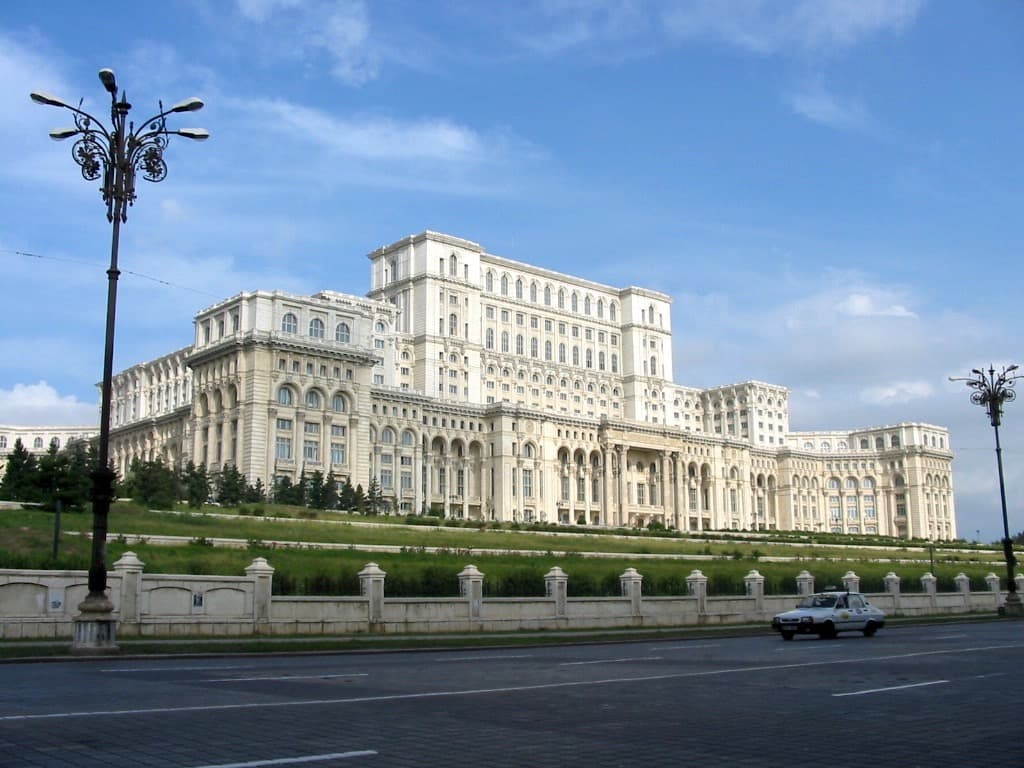
The capital contains architectural layers that tell a century and a half of turbulent history. The Lipscani district, the old merchant quarter rebuilt after communist demolitions, retains several interior courtyards, the Manuc inn dating from 1808, and the Stavropoleos church. Further north, Art Nouveau villas and neo-Romanian residences in Cotroceni and Dorobanți stand beside modernist apartment blocks from the 1930s, the era when Bucharest earned its nickname as the Little Paris. South of the centre, the Palace of Parliament, built at Ceaușescu's behest, spans 365,000 square metres across twelve levels, making it the world's second-largest administrative building after the Pentagon. The Village Museum, an open-air venue in Herăstrău Park, showcases nearly 300 wooden farms and churches relocated from rural regions across the country—an ideal introduction before exploring Transylvania or Maramureș.
At the table, Bucharest is where to savour Wallachian cuisine in its urban form: ciorbă de burtă (tripe soup with vinegar and garlic) in Lipscani brasseries, grilled mititei (small beef and lamb sausages), and papanași topped with sour cream and blueberry jam. The café culture in the Floreasca and Universității quarters has flourished over the past decade, with a young generation channelling their energy into local ventures rather than seeking opportunities abroad.
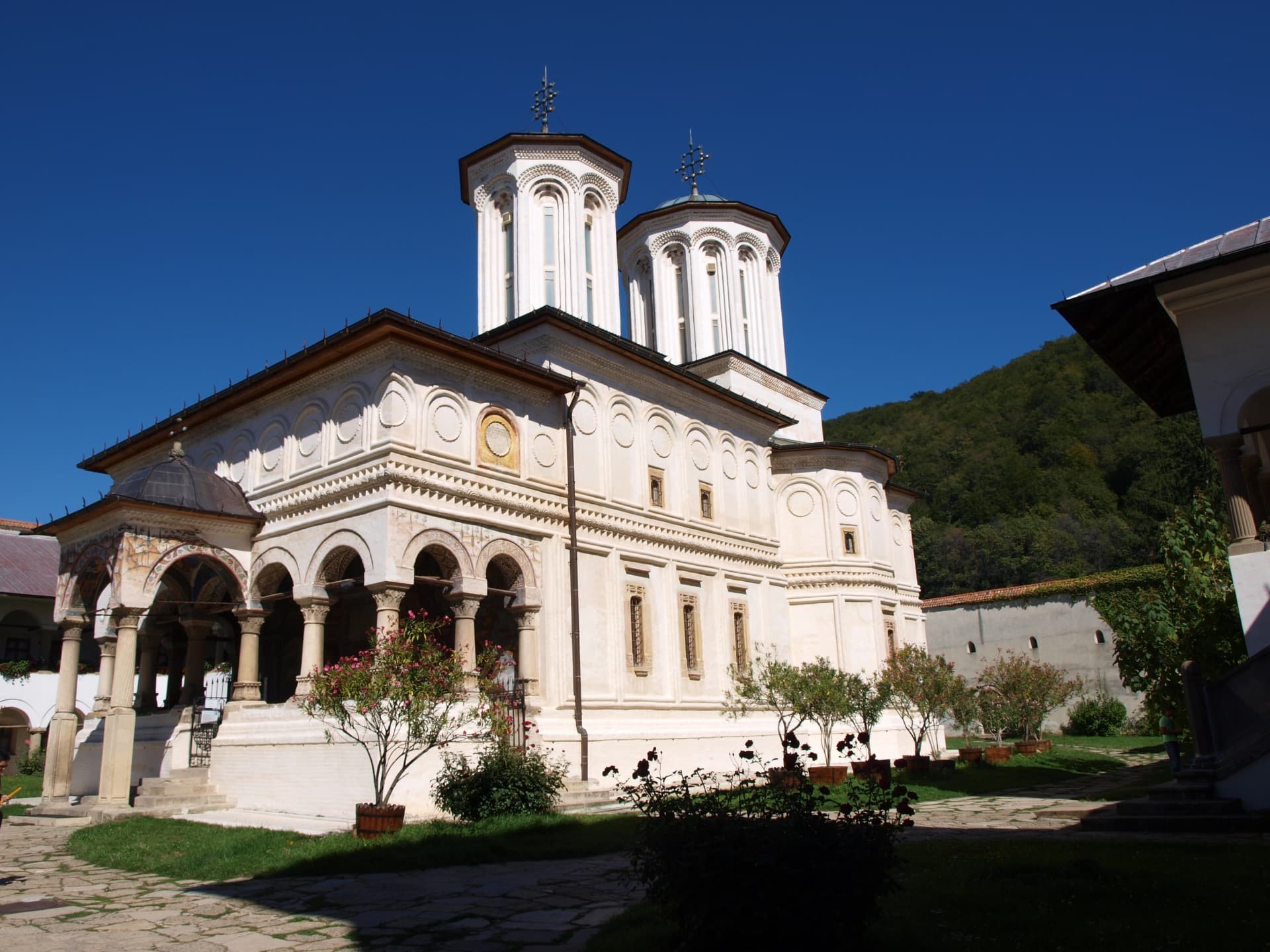
Wallachia proper begins the moment you leave the boulevards. Westward, the A1 motorway leads to Pitești, then branches into the Olt valley, a historic route that climbs towards Transylvania through the Turnu Roșu Gorge. Along this itinerary lie the most significant monasteries: Cozia, founded in 1388 by voivode Mircea the Elder and preserving 14th-century Byzantine frescoes, and Horezu, a UNESCO-listed site erected by Constantin Brâncoveanu in the late 17th century, the template for the architectural style bearing his name. The village of Horezu, just kilometres away, continues a tradition of hand-painted pottery featuring a stylised rooster, also UNESCO-inscribed.
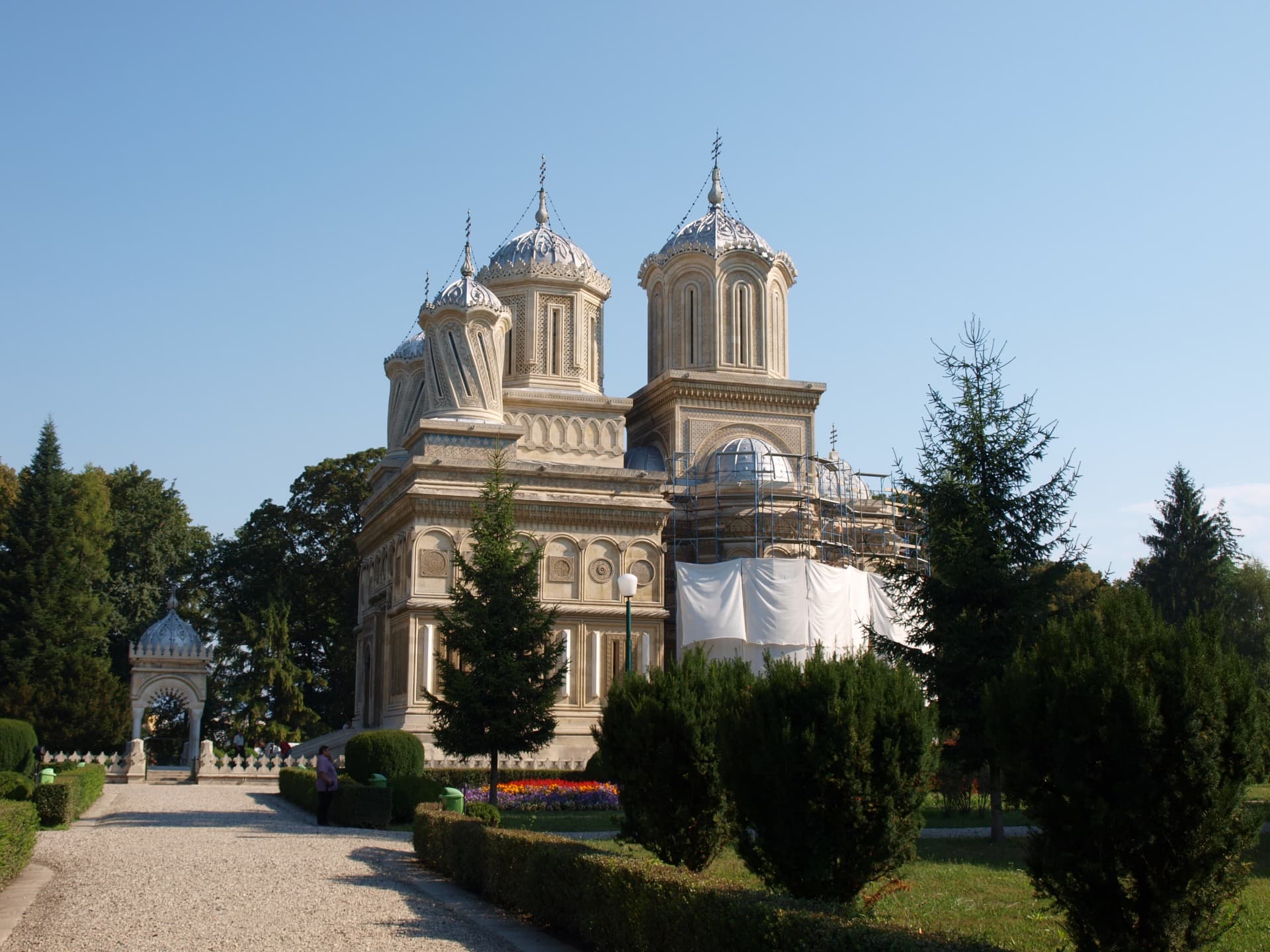
At the foot of the Carpathians, the Călimănești-Căciulata thermal resort has exploited sulfurous springs since the 19th century, still attracting a clientele of spa-goers, mainly Romanian and Moldovan. Further east, the city of Curtea de Argeș houses the 16th-century episcopal church where Romanian kings are buried, and serves as the starting point for the Transfăgărășan, a mountain road closed from October to June. Southward, the plain descends to the Danube: Giurgiu, Călărași, and beyond their banks—little-frequented stretches that announce the Delta's approach.
The climate is sharply continental. Summers are hot and dry, reaching peaks of 35°C in July and August on the plain. Winters regularly dip below -10°C in January, sometimes bringing crivăț—a bitter wind sweeping from Ukrainian steppes that halts traffic south of Bucharest. The shoulder seasons remain the best times to combine city and countryside.
To Discover
Palace of Parliament and Civic Centre. Guided tour of approximately 1.5 hours through a fraction of the 1,100 rooms in Ceaușescu's monument, followed by a walk along the Unirii Boulevard, an enlarged replica of the Champs-Élysées.
Open-Air Village Museum. Three hours wandering through 300 wooden farms relocated from Maramureș, Oltenia and Bucovina, surrounding Herăstrău Lake.
Horezu Monastery. A white courtyard bordered by sculpted galleries and 1693 frescoes, in a southern Carpathian valley where you can also visit pottery workshops in the neighbouring village.
Olt Valley and Turnu Roșu Gorge. A road route following the river between Râmnicu Vâlcea and Sibiu, punctuated by monasteries (Cozia, Turnu) and thermal springs at Călimănești.
Lipscani by night. Dinner in a restored courtyard of old Bucharest, then a tour of wine bars specialising in local varieties (fetească neagră, tămâioasă).
When to Visit
The best period to visit Bucharest and Wallachia runs from mid-April through late June, then from early September to mid-October. In spring, temperatures range between 15 and 22°C during the day; the capital's parks (Cișmigiu, Herăstrău) burst into bloom and the monasteries in the Olt valley can be explored without crowds. Autumn offers more stable skies, with still-mild days (18 to 24°C in September) and vineyards in harvest around Dealu Mare.
July and August are hot and humid on the plain, with peaks at 35°C, little shade and often pollution-saturated air in Bucharest. Many residents decamp to the mountains or coast. Winter, December to February, regularly falls between -5 and -12°C, sometimes lower under the crivăț's influence. Bucharest remains entirely visitable in December for its Christmas markets and museums, but rural Wallachia moves at a slower pace and certain secondary roads to the monasteries are snow-covered.
Practical Tips
We recommend two full days in Bucharest to cover the historic centre, the Palace of Parliament, one or two museums (Village Museum, National Art Museum at the Royal Palace) and have time for unhurried dining. For Wallachia, allow two to three additional days if you wish to include the Horezu and Cozia monasteries, Curtea de Argeș and a night in Călimănești or Râmnicu Vâlcea. Henri Coandă Airport is the country's primary entry point, 18 km north of the centre, and virtually all our itineraries begin or conclude here.
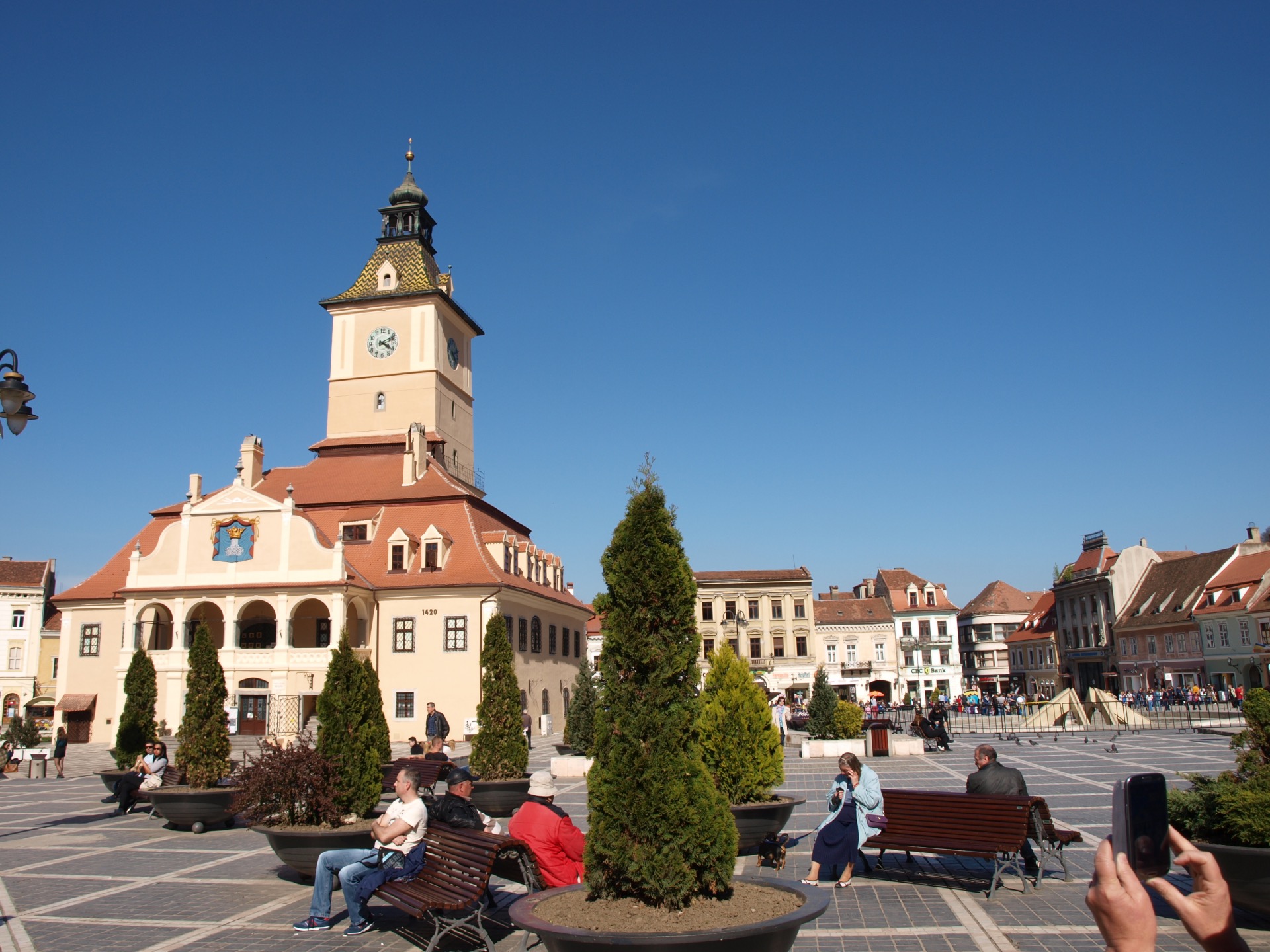
The region combines very naturally with the Carpathians and the Prahova valley (Sinaia, Brașov a 2.5-hour drive from Bucharest), then Transylvania beyond. Eastward, the Danube Delta is a 4.5-hour drive or a domestic flight to Tulcea. Comfort levels in Bucharest match those of a European capital, with boutique hotels in restored centre buildings. In rural Wallachia, you stay in modest but well-kept family guesthouses. This region suits travellers interested in urban history, religious architecture and gastronomy particularly well; less so those seeking mountain wilderness or untamed nature from the outset.